Precast concrete plays a major role in today’s commercial, residential, and landscape construction. Yet many builders still confuse structural precast with architectural precast, which can lead to design issues, cost overruns, and unexpected delays. Understanding the difference helps project teams choose the right product from the start—exactly what precast suppliers want builders to know.
1. What Is Structural Precast Concrete?
Structural precast elements are engineered to carry loads and provide core building stability. Their focus is on strength, durability, and meeting strict structural codes.
Common Structural Precast Elements
- Columns and beams
- Hollow-core slabs
- Load-bearing wall panels
- Parking structure components
- Bridge girders
Key Features
- High compressive strength
- Heavy reinforcement
- Minimal focus on appearance
- Built for long-term structural performance
Builders rely on structural precast for projects where safety and load-bearing capacity are the priority.
2. What Is Architectural Precast Concrete?
Architectural precast is chosen for visual appeal, finish quality, and design flexibility. Its strength remains reliable, but it’s not primarily used for carrying major structural loads.
Common Architectural Precast Products
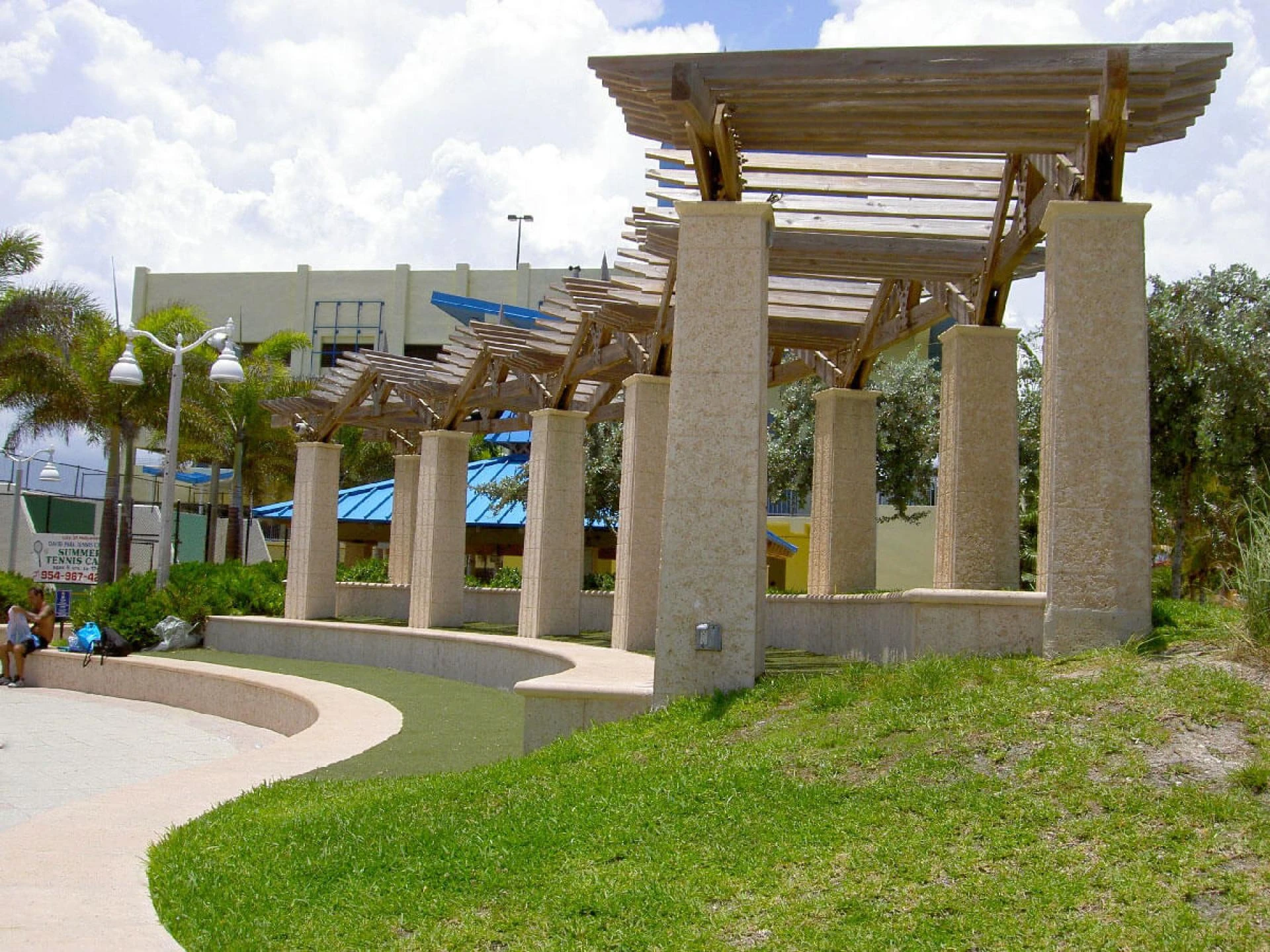
- Decorative cladding panels
- Facades and veneers
- Trims, cornices, and custom shapes
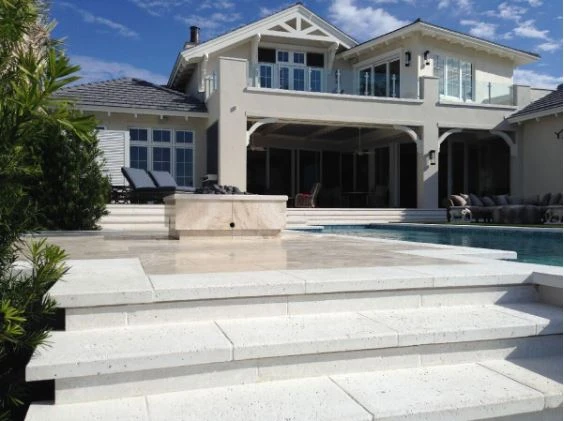
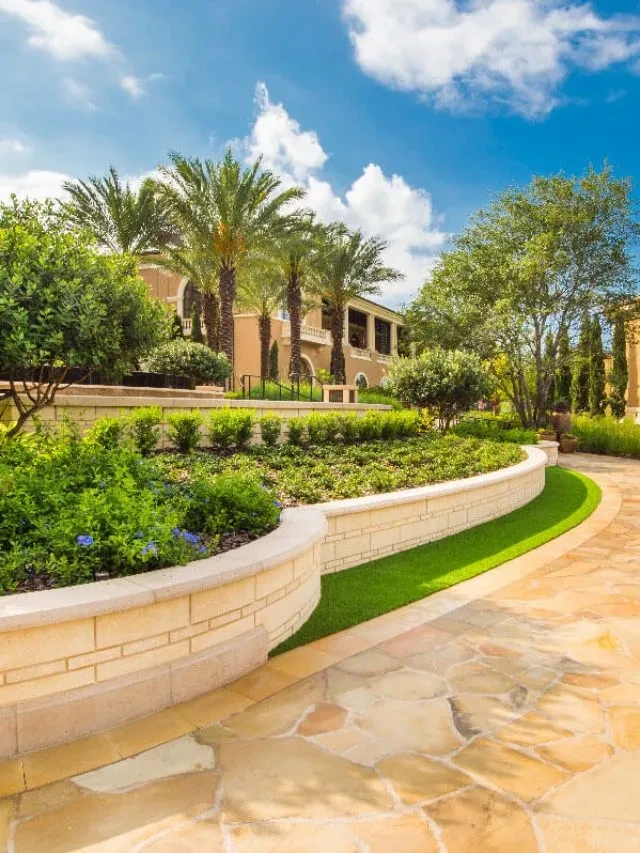
- Pavers, pool coping, grates, and landscape features
Key Features
- High customization (textures, patterns, colors)
- Premium visual detailing
- Ideal for commercial buildings, branded spaces, and luxury landscapes
- Designed for a consistent, refined appearance
Architectural precast is the go-to choice when a project requires a high-end aesthetic.
3. How to Choose Between Structural and Architectural Precast
Instead of viewing them as similar materials, builders should treat them as two separate categories serving different purposes. Choose structural precast when the component must support weight, withstand loads, or form part of the building’s core framework. Choose architectural precast when you need visual appeal, detailed finishes, or custom design elements that enhance the project’s style. Some projects even use hybrid panels, which combine structural integrity with architectural-quality finishes. The key is knowing the purpose early so suppliers can engineer the right solution without delays or redesigns.
4. Why the Distinction Matters for Builders
Cost Control
The wrong choice can require new molds, redesigns, or additional engineering—raising project costs.
Faster Timelines
Structural precast requires engineering review; architectural precast requires finishing time. Selecting the correct type helps suppliers meet deadlines without added delays.
Better Results
Using the correct precast ensures both the performance and the aesthetic expectations of the client are met—critical for commercial, civic, and luxury landscape projects.
5. What Suppliers Recommend
Involve suppliers early: This helps finalize load requirements, finishes, and design feasibility.
Protect architectural finishes on-site: These elements must be handled as finished products.
Clarify load-bearing needs upfront: If a panel must carry any load, it must be engineered that way from the beginning.
Choose the Right Precast for the Right Purpose
Both structural and architectural precast contribute essential value to modern construction. Understanding their differences helps builders achieve stronger performance, smoother coordination, and long-lasting results. Experienced precast suppliers can guide you to the right solution—whether you need strength, aesthetics, or a combination of both.
For premium architectural precast, custom pavers, grates, coping, and landscape elements, DC Kerckhoff Stone delivers quality you can trust. Contact us today to discuss your project needs.






















Sign in to leave a comment.