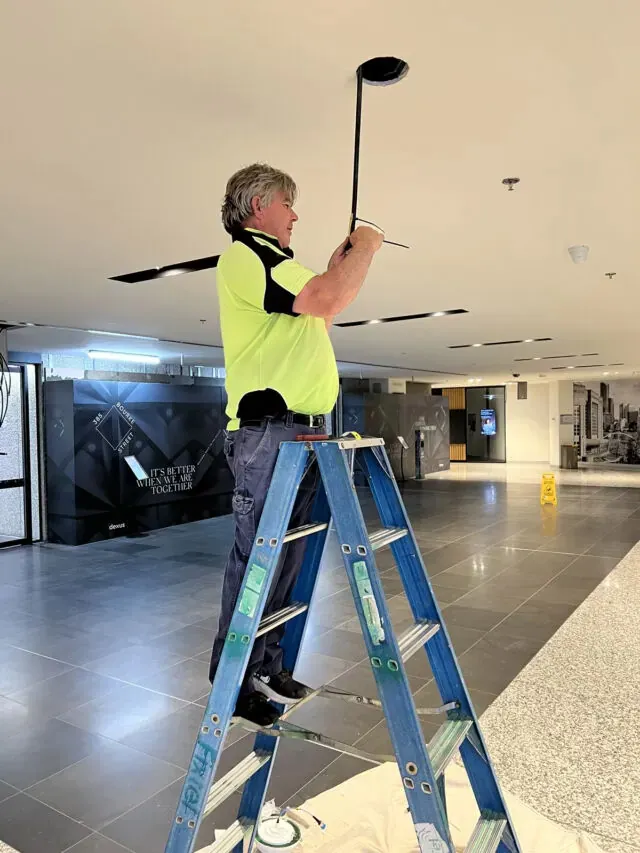

Weak cellular coverage is more than just an inconvenience. It can interrupt business operations, create communication gaps, and leave people frustrated when calls drop or messages fail to send. Whether you're working in a modern office, managing a shopping centre, running a warehouse, or living in a large apartment complex, poor indoor signal can affect productivity, safety, and customer experience.Many people assume the problem lies with their mobile carrier, but that's not always the case. Building materials such as reinforced concrete, metal structures, energy-efficient glass, and underground parking areas often block or weaken mobile signals before they reach indoor spaces. As buildings become more energy efficient and architecturally complex, maintaining reliable connectivity becomes even more challenging. One of the most effective ways to solve this issue is by installing a DAS antenna system. Rather than trying to amplify a weak signal from a single location, this solution distributes strong cellular coverage throughout the entire building, creating a more reliable communication experience.
Why Indoor Cellular Coverage Is Often Poor
Outdoor mobile networks are designed to cover wide geographic areas, but they aren't always able to penetrate large or complex buildings effectively. Even if a nearby cell tower provides excellent outdoor coverage, the signal can weaken significantly once it passes through walls, windows, and structural materials.
Common causes of poor indoor reception include:
- Thick concrete or steel construction
- Low-emissivity (Low-E) glass
- Underground or basement locations
- Large commercial buildings with multiple floors
- Long distances from the nearest mobile tower
These factors often create dead zones where mobile devices struggle to maintain a stable connection.
The Impact of Weak Mobile Signal
Poor cellular coverage affects more than just phone calls. Businesses rely on constant communication between employees, customers, suppliers, and emergency services. When signals become unreliable, the consequences can include delayed responses, interrupted meetings, failed transactions, and reduced customer satisfaction.
In healthcare facilities, communication delays can impact patient care. In warehouses, unreliable mobile connectivity may slow operational processes. Hotels, shopping centres, and office buildings may receive complaints from visitors who expect seamless mobile service wherever they go.
Reliable indoor coverage has become an essential part of modern infrastructure rather than an optional upgrade.
How Distributed Coverage Works
Instead of depending on a single strong signal source, distributed coverage systems use multiple antennas installed throughout a building. These antennas work together to deliver consistent signal strength across different rooms, floors, and high-traffic areas.
By strategically placing antennas where coverage is needed most, the system helps eliminate dead spots and maintains stronger connections even in challenging environments.
This approach supports voice calls, text messaging, and mobile data while providing a more consistent user experience across the property.
Where These Systems Are Commonly Used
Large buildings often require more than standard network coverage. Distributed antenna solutions are commonly installed in locations such as:
- Office buildings
- Hospitals
- Hotels and resorts
- Shopping centres
- Universities
- Airports
- Warehouses
- Manufacturing facilities
- Stadiums
- Residential apartment complexes
Each environment presents unique coverage challenges, making customised planning and installation important for achieving the best results.
Key Benefits for Businesses
Improved indoor connectivity offers several long-term advantages beyond stronger mobile signals.
Reliable Communication
Employees can make and receive calls without interruptions, improving collaboration and reducing communication delays.
Better Customer Experience
Visitors expect reliable mobile service while shopping, attending appointments, or staying at hotels. Strong indoor coverage helps create a positive experience.
Increased Productivity
Teams can work more efficiently when mobile devices remain connected throughout the building, reducing disruptions caused by dropped calls or slow data connections.
Enhanced Safety
Reliable mobile communication is especially important during emergencies, allowing occupants and first responders to communicate more effectively.
Future-Ready Infrastructure
As mobile technology continues to evolve with faster networks and increased data usage, distributed coverage solutions help buildings stay prepared for future communication demands.
Choosing the Right Solution
Every building is different, which means there isn't a one-size-fits-all approach to improving indoor coverage. Factors such as building size, construction materials, occupancy levels, and the number of mobile users all influence the system design.
A professional site survey can identify existing coverage gaps and determine the most effective placement of equipment. Proper planning ensures consistent performance while avoiding unnecessary installation costs. Working with experienced specialists also helps ensure the solution complies with relevant industry standards and supports multiple mobile network providers where possible.
Is It Time to Upgrade Your Building's Connectivity?
If employees, tenants, or customers regularly experience dropped calls, slow mobile data, or areas with little to no signal, it may be time to evaluate your building's communication infrastructure. Modern workplaces and commercial facilities depend on reliable connectivity every day, and ignoring coverage issues can affect both operational efficiency and customer satisfaction. A professionally designed DAS antenna solution can transform weak indoor reception into dependable cellular coverage across your entire property. By eliminating dead zones and improving network reliability, businesses can create a more connected, productive, and future-ready environment. Investing in stronger indoor mobile coverage is not just about improving signal strength—it's about supporting better communication, smoother operations, and a more dependable experience for everyone who enters your building.
























Sign in to leave a comment.