

Legal issues can sound terrifying more than they are if you hear the complicated legal words. Have you ever found yourself in a courtroom or a legal meeting not entirely understanding what was being said? If you have, know that you are not alone. This world is filled with legal jargon that can confuse even those best prepared for it. Missing out on even one term or misunderstanding even one statement could mean the life or death of that particular case.
This is where court reporting services come into their own. These experts see to it that every single word that is said during a legal proceeding is precisely transcribed, offering clarity and avoiding confusion. But how does this contribute to smoother legal proceedings? Let's learn more.
Why Legal Terms Can Be Confusing ?
Legal language is not similar to normal conversation. It is usually loaded with technical jargon, Latin terms, and legal jargon that is hard to comprehend. Some of the reasons why legal words are so perplexing are:
1. Legal Jargon Usage
Legal experts often use terms like “habeas corpus” and “res judicata” in their line of work. These are important terms in the legal talks, but they can be very complicated for those who are not lawyers.
2. Quick Courtroom Dialogues
It is so difficult to keep up with the words of Lawyers and witnesses during trials, depositions, or hearings.
3. High-Stakes Situations
Missing a single word in a courtroom can change the direction of the outcome of a case.
Without proper documentation, there is the risk of misunderstandings that will result in heavy errors. That is why professional experts specializing in accurate transcription are necessary.
Role of Court Reporting Services in Legal Clarity
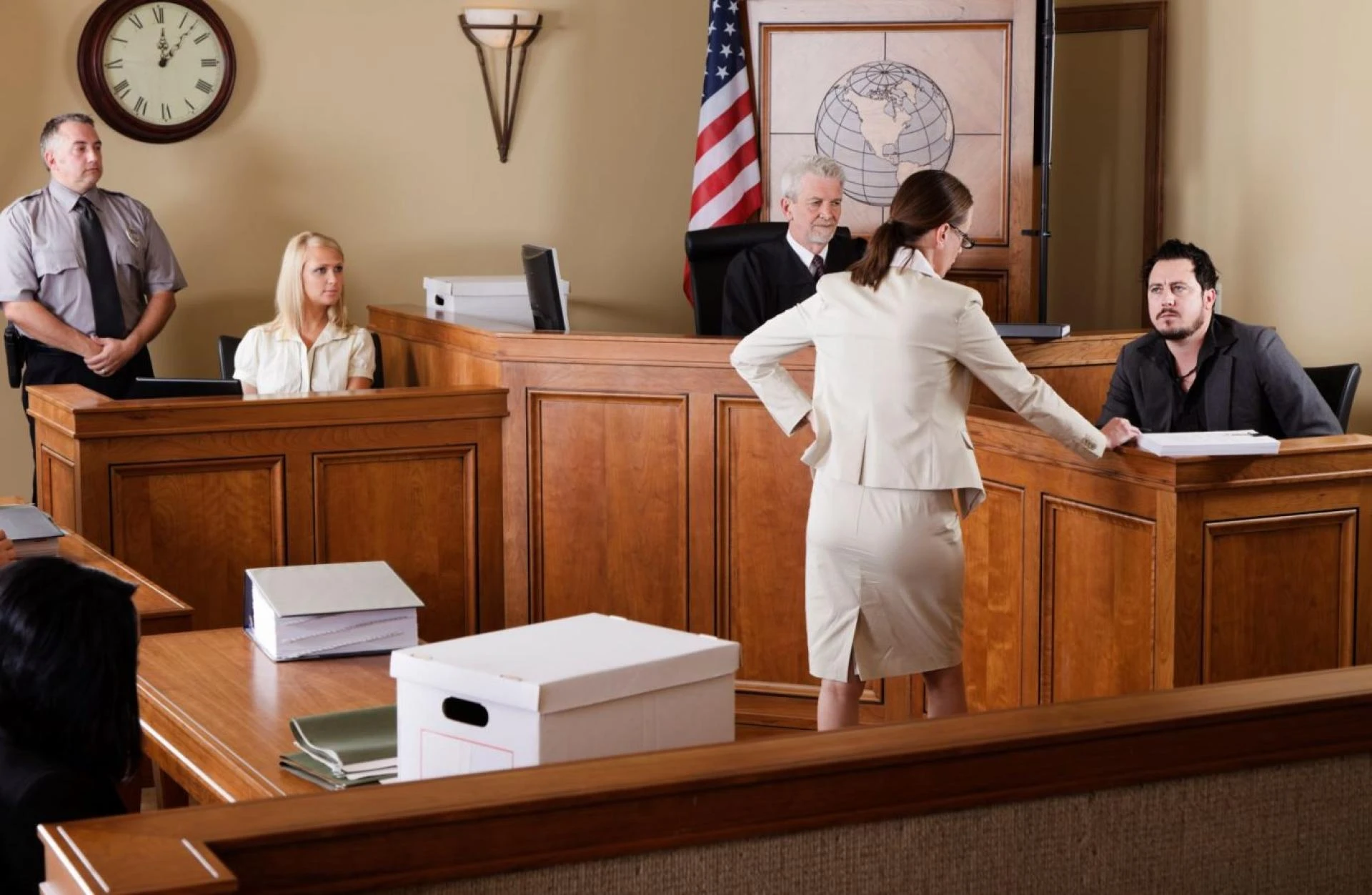
Being a court reporter is more than merely typing away what is heard in a courtroom. They see to it that legal deliberations are recorded correctly and verbatim, giving clearness and transparency.
1. Precise Transcriptions
Court reporters are trained to document every statement word by word so nothing gets lost in transcription.
2. Real-Time Reporting
Some court reporting companies offer real-time transcription. This allows attorneys and judges to watch words that are being spoken in front of them on a monitor in real time as they take place, making it easier to monitor important statements and legal points.
3. Deposition and Trial Support
Depositions are important in court cases, and omissions of any kind can be difficult. A court reporter is trained to capture each word uttered correctly, minimizing the risk of miscommunication.
Advantages of Engaging Professional Court Reporting Services
Having a professional court reporter offers numerous benefits, including:
1. Unparalleled Accuracy
Court reporters are instructed to record each word accurately. In contrast to voice recording programs, human reporters know how to recognize accents, legal jargon, and complex discussions.
2. Speed and Efficiency
Legal proceedings do not take time, and gaining access to
transcripts instantly can prove to be of immense value.
3. Confidentiality and Security
Legal information is sensitive and needs to be treated carefully.
Court reporters adhere to stern ethical standards so that all records are kept
confidential.
4. Support for Legal Process Servers
Legal Process Servers and attorneys depend on precise legal documents to serve court notices and legal documents. Professional transcripts assist process servers in ensuring that all legal documents conform to court records.
5. Minimized Legal Disputes
Legal proceedings may be misinterpreted, resulting in unwarranted disputes. There is absolute evidence of the words spoken in a professionally transcribed record, lessening the possibility of misunderstandings.
Various Court Reporting Services
Court reporting services are diverse, and each type has a special purpose. According to the court environment, multiple types of court reporting can be applied.
1. Stenographic Court Reporting
It is the most frequent form of court reporting. A stenographer uses a machine to convert speech into shorthand, which is then translated into a complete transcript.
2. Voice Writing Court Reporting
In this technique, the reporter talks into a voice silencer, dictating what has been said in court. The transcript is later typed out and put into written form.
3. Real-Time Court Reporting
This high-tech technique shows the transcript on a screen in real time as words are spoken. This is convenient in important trials when instant access to documents is required.
4. Digital Court Reporting
Some courtrooms utilize audio and video recordings for documentation. A digital court reporter subsequently listens to these recordings and produces an accurate transcript.
Selecting the correct type of court reporting service relies on the legal case's requirements and the amount of accuracy needed.
How to Find the Best Court Reporting Service?
Not every court reporting service is created equal. Here's how to identify the best one for your requirements.
1. Certifications
There should be certified professionals at a professional court reporting service who are current with legal industry standards. Check that they have accreditations from organizations such as the National Court Reporters Association (NCRA).
2. Experience and Expertise
Legal proceedings demand meticulous knowledge. Select a service that has veteran court reporters with a grasp of legal jargon and courtroom etiquette.
3. Technology and Real-Time Capabilities
If you require transcripts in a hurry, choose a service that provides real-time reporting and state-of-the-art technology for quick and accurate documentation.
4. Reputation and Reviews
Before you go in for a service, check online reviews and past client feedback. A reliable service will be well-commended and have a great reputation within the legal community.
5. Standards of Confidentiality
The legal requirements are always delicate, and court reporting agencies have to follow confidentiality guidelines to protect your data.
Keeping these aspects in mind enables you to select a professional service to cater to your legal document needs.
Conclusion
If complex vocabulary is used, legal proceedings can be difficult to understand. Missing just one detail can be very decisive. The court reporting agencies, nonetheless, present a welcome respite from such an issue by furnishing word-by-word transcripts that play significant roles in any legal conversation. They help everyone connected to the legal world, from deposition to transcript. They provide you with assistance.
Therefore, the next time you feel overwhelmed attempting to make heads or tails out of those legalese, just remember that there are court reporting services that can assist you. Why tempt fate when all could be done so perfectly?





























Sign in to leave a comment.