
The legal arena is complex and very intimidating, especially because of the immense range of services that take place behind the curtains to run the judicial machinery. Paperwork to filing, legal notices to delivery, as well as the preparation of précised documentation for trials, make the process cumbersome. Fortunately, there are some essential elements here: the process servers in legal affairs and litigation support services working together to have the wheels of justice turn effectively and accurately.
So, in this blog, we will be going over the critical roles of both legal process servers and litigation support services, discussing how settlement videos help to expedite settlements and legal procedures.
What is a Legal Process Server?
Legal Process Server: one who delivers and serves legal process to the relevant parties in that case. Thus, it involves a very integral part of an action or another legal proceeding toward an individual business or other juristic persons concerned. It often seems like passing a paper is simple but there is always much more within the process that is involved as a process in serving.
Key Responsibilities of a Legal Process Server:
- Service of Summons and Complaints: The process server serves summons and complaints with notice and directions on how to answer a lawsuit against the defendants.
- Serving Subpoenas: They also serve subpoenas, compelling individuals to testify or provide evidence in court.
- Serving Court Orders and Other Documents: In addition to subpoenas, process servers deliver court orders, motions, and writs, ensuring all parties stay informed.
- Proof of Service
After serving documents, the process server gives proof of service, which confirms delivery and allows the case to proceed.
Why is a Process Server Important?
The role of a process server is important for several reasons:
- Ensuring Due Process: They ensure that individuals are properly notified of legal actions, which is a fundamental part of the right to due process. This helps maintain the fairness and transparency of legal proceedings.
- Legal Compliance: In many cases, documents are served subject to specific procedural rules, so a professional process server ensures observance of those laws, avoiding chances of delays or legal entanglements.
- Reliability and Efficiency: Since they have such experience, they can locate people easily and serve papers on time in order not to delay legal action.
Litigation Support: Key to Legal Proceedings
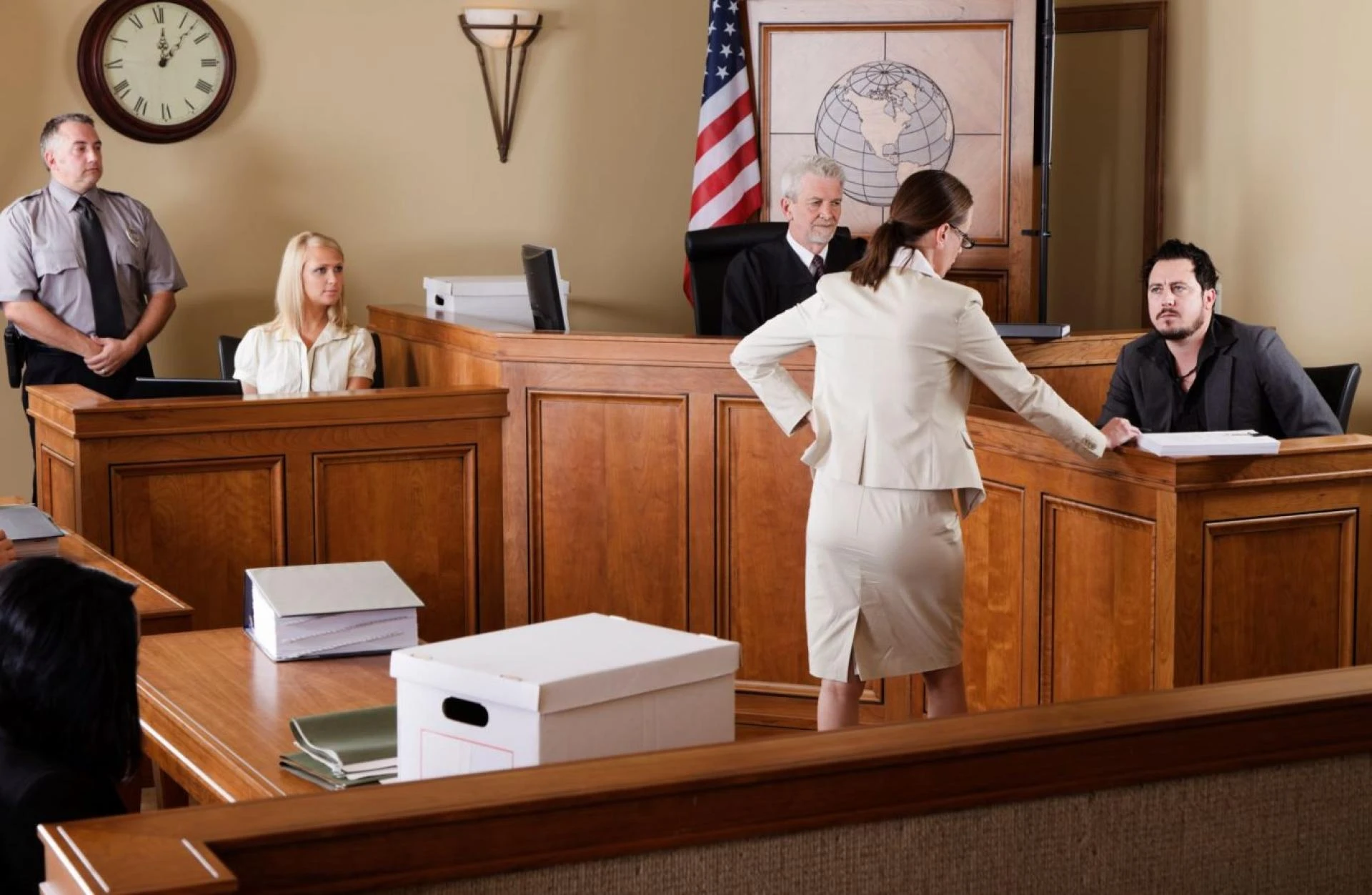
Legal process servers focus on the technical part of legal procedures, but litigation support services offer the main technical and professional assistance that supports a case's process. They assist in creating documents, processing evidence, preparing case files, and even conducting trial processes.
Types of Litigation Support Services:
- Court Reporting: Word-for-word and verbatim reports of court cases are provided for appeals and in the administration of justice.
- Trial Presentation: This service produces visual aids, animations, and other multimedia tools for breaking down the complexities of the law and providing evidence to the judges and juries.
- Document Management: Document management services help the legal team to organize, store, and retrieve huge amounts of paperwork and evidence more easily so that access to crucial information is made easier.
- Video and Audio Services: High-definition video and audio services, including video depositions, will give powerful visual evidence that heightens persuasion and captures witness emotions.
- E-Discovery Services: E-discovery services help to identify, preserve, and search digital documents and files to discover relevant case evidence.
Role of Settlement Videos in Litigation Support
Settlement videos are increasingly valuable tools in the field of litigation support. These are made to record and document key elements in a case, especially personal injury accident cases. The importance of settlement videos is to visually depict the emotional and physical changes an injury or accident has brought about in the plaintiff's life.
How Settlement Videos Work:
- Visual Documentation of Injuries: A settlement video is a visual representation of the plaintiff's injuries, showing limitations, daily struggles, and emotional distress. It allows the jury or settlement parties to understand, in a very personal and realistic way, what the plaintiff suffers.
- Emotional Connection: An effective settlement video will emotionally resonate with the audience by showing the real-life implications of the injury. This will enhance the case and make damages more relatable for settlement negotiations or trial outcomes.
- Facilitating Settlement Negotiations: Settlement videos expedite and facilitate a fairer settlement by telling an effective visual story, and helping both parties agree without having to go through the long trial process.
- Better Visual Explanation and Credibility: A video makes complex situations easy to understand and makes the case more persuasive than verbal testimony or medical records alone.
- Use in Mediation and Arbitration: Settlement videos play an influential role in mediation and arbitration. They offer emotional and visual evidence to ensure that favourable settlements are achieved.
The Future of Legal Process Serving and Litigation Support
Future of legal process serving and litigation support: With rapid progress in technology, the work and scope of a legal process server and litigation support service would become increasingly modified. Lawyers rely heavily on digital resources, video capabilities, and other efficient methods that can assure and provide swift legal processes which will be more efficient, effective, and meaningful.
Digital tools, from electronic filing, GPS tracking on attempts at service, and automation in sending notices, have resulted in speed and reliability previously unmatched by any other process serving service. And, as will be discussed next, litigation support services will certainly find ways to adopt cutting-edge technologies, whether through artificial intelligence in reviewing the document, virtual courtrooms remote hearing capabilities, and even interactive multimedia in presenting before trial.
Conclusion
Both legal process servers and litigation support services are indispensable components of the legal industry. While process servers ensure that individuals and entities are properly notified of legal proceedings, litigation support services offer the litigation support settlement video tools and expertise necessary to organize, present, and manage a case effectively. Together, these services help smooth out legal cases, make the process more efficient, and therefore lead to a better outcome for clients. Be it a long, complex litigation process or the search for a fair settlement, these tools and professionals play an important role in ensuring justice.






























Sign in to leave a comment.