

Canada has become one of the world's most sought-after destinations for international students due to its globally recognized universities, multicultural environment, excellent quality of life, and promising post-graduation career opportunities. However, obtaining a Canada Study Permit requires careful planning, accurate documentation, and a clear understanding of immigration requirements. This is where a Study Permit Consultant plays a crucial role.
Whether you're applying for the first time or have previously faced a refusal, professional guidance can significantly improve your chances of approval. In this guide, we'll explain everything you need to know about the Canada Study Permit application process and how an experienced consultant can help.
What is a Canada Study Permit?
A Canada Study Permit is an official document issued by Immigration, Refugees and Citizenship Canada (IRCC) that allows international students to study at a Designated Learning Institution (DLI) in Canada.
It is important to note that a study permit is not a visa. Depending on your country of residence, you may also require a Temporary Resident Visa (TRV) or an Electronic Travel Authorization (eTA) to enter Canada.
Why Hire a Study Permit Consultant?
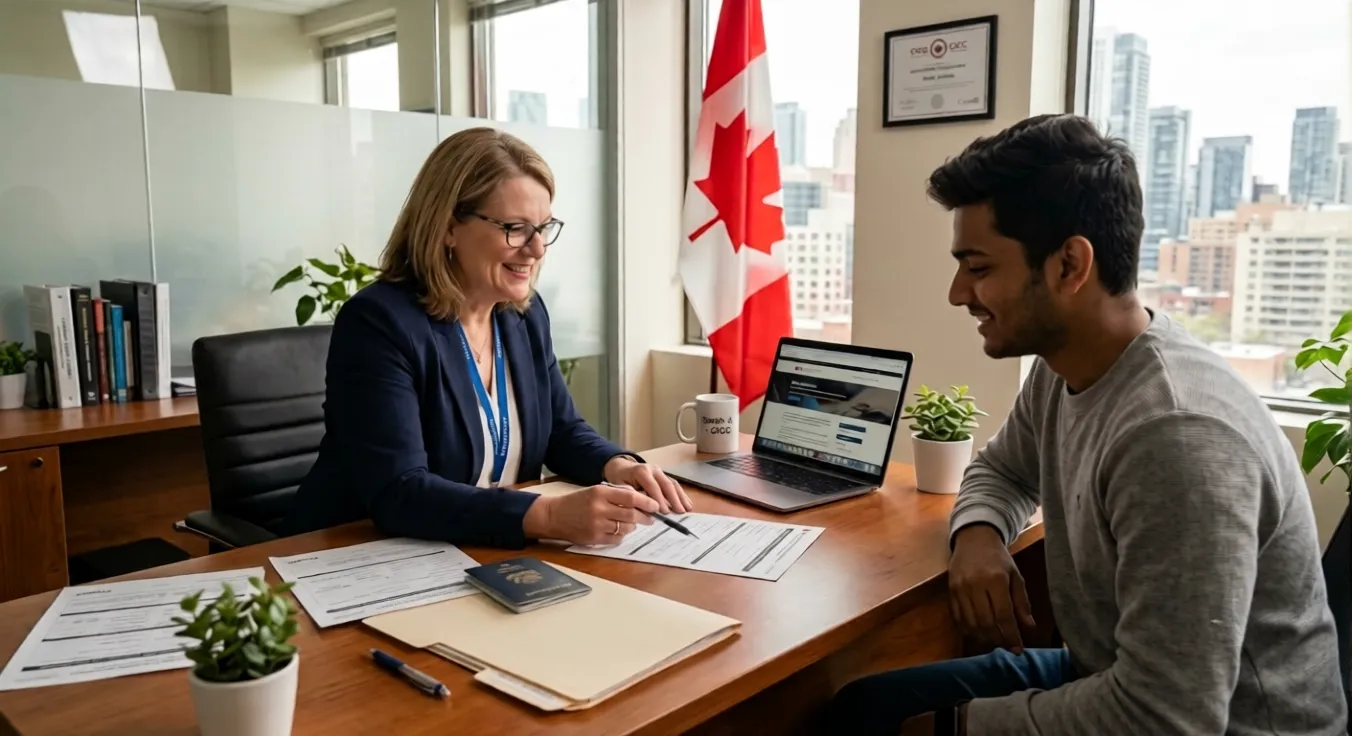
Although students can apply independently, immigration regulations and documentation requirements can be overwhelming. A professional Study Permit Consultant understands the latest immigration policies and helps applicants submit a complete, accurate, and well-prepared application.
Some major benefits include:
- Personalized eligibility assessment
- Assistance in selecting the right college or university
- Complete document verification
- Guidance for preparing a strong Statement of Purpose (SOP)
- Financial documentation support
- Application submission assistance
- Updates on changing immigration policies
- Help with responding to additional document requests from IRCC
Professional guidance minimizes errors that often result in unnecessary delays or study permit refusals.
Eligibility Requirements for a Canada Study Permit
Before applying, applicants should meet the following basic eligibility requirements:
1. Letter of Acceptance
You must have an official acceptance letter from a recognized Canadian Designated Learning Institution (DLI).
2. Proof of Financial Support
Applicants must demonstrate sufficient funds to cover:
- Tuition fees
- Living expenses
- Travel costs
- Accommodation
Financial proof may include bank statements, Guaranteed Investment Certificates (GIC), education loans, scholarship letters, or sponsor documents.
3. Genuine Student Intent
IRCC evaluates whether your primary purpose is to study in Canada. A well-written Statement of Purpose explains your academic goals, career plans, and reasons for choosing Canada.
4. Good Health and Character
Some applicants may need medical examinations and police clearance certificates depending on their country of residence and personal circumstances.
Documents Required for a Canada Study Permit
A successful application generally includes:
- Valid passport
- Letter of Acceptance
- Tuition fee receipts (if applicable)
- Financial documents
- Passport-size photographs
- Statement of Purpose (SOP)
- Educational transcripts
- Language test results (IELTS, PTE, TOEFL, etc., if required)
- Medical examination reports (where applicable)
- Biometrics
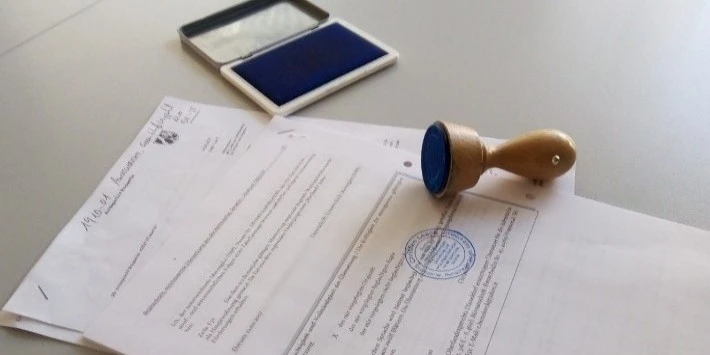
Submitting complete and accurate documentation helps avoid unnecessary delays.
Canada Study Permit Application Process
Step 1: Choose a Designated Learning Institution
Research Canadian colleges and universities that align with your academic and career goals.
Step 2: Receive Your Letter of Acceptance
Once admitted, you'll receive an official admission letter required for your study permit application.
Step 3: Gather Required Documents
Ensure every document is current, complete, and matches the information provided in your application.
Step 4: Submit Your Study Permit Application
Applications can usually be submitted online through the official IRCC portal.
Step 5: Biometrics and Medical Examination
Depending on your country, you'll receive instructions to complete biometrics and medical examinations.
Step 6: Wait for Processing
Processing times vary based on your country of residence, application volume, and seasonal demand.
Step 7: Receive Your Decision
Once approved, you'll receive a Port of Entry (POE) Letter of Introduction and, where applicable, your Temporary Resident Visa.
Common Reasons for Study Permit Refusal
Many applications are refused due to avoidable mistakes. Some common reasons include:
- Insufficient financial proof
- Weak Statement of Purpose
- Incomplete documentation
- Unclear study plans
- Previous immigration history
- Failure to satisfy the visa officer regarding temporary intent
- Misrepresentation or inconsistent information
Working with an experienced Study Permit Consultant helps identify and address these issues before submission.
Can You Work While Studying in Canada?
Yes. Many international students can work while studying, provided they meet the conditions of their study permit.
Eligible students may:
- Work part-time during academic sessions
- Work full-time during scheduled breaks
- Gain valuable Canadian work experience
- Build professional networks for future career opportunities
Always ensure you comply with the conditions specified on your study permit.
Opportunities After Graduation
One of Canada's biggest advantages is the opportunity to remain in the country after completing your education.
Depending on your eligibility, graduates may qualify for:
- Post-Graduation Work Permit (PGWP)
- Canadian work experience
- Permanent Residency pathways
- Provincial Nominee Programs (PNPs)
- Express Entry immigration programs
These pathways make Canada one of the most attractive destinations for international students seeking long-term career growth.
Why Choose Professional Immigration Guidance?
Every study permit application is unique. Professional consultants evaluate your academic profile, financial situation, career objectives, and immigration history to prepare a strong application tailored to your circumstances.
Experienced consultants can help you:
- Reduce application errors
- Improve document quality
- Prepare convincing supporting documents
- Stay updated with changing immigration policies
- Increase the likelihood of approval
Conclusion
Applying for a Canada Study Permit is one of the most important steps toward achieving your international education goals. While the process may seem straightforward, even small mistakes can lead to delays or refusals.
A knowledgeable Study Permit Consultant can guide you through every stage—from selecting the right institution and preparing documents to submitting a complete application and responding to IRCC requirements.
If you're planning to study in Canada and want expert assistance with your application, Woodstone Immigration offers personalized guidance to help students navigate the Canada study permit process with confidence. Take the first step toward your Canadian education journey today.



























Sign in to leave a comment.