Trailer lights are essential for safety on the road, ensuring visibility and signaling to other drivers. However, when it comes to marine environments, standard trailer lights can fall short. Designed to withstand immersion in water, they are crucial for anyone who frequently hauls boats or other watercraft. This guide will delve into the features, benefits, and considerations when choosing submersible trailer lights.
What Are Submersible Trailer Lights?
Submersible trailer lights are specialized lighting systems designed to be water-resistant and durable enough to function even when fully submerged. They are essential for trailers that are used in marine environments, such as boat trailers.
Key Features of Submersible Trailer Lights
Waterproof Sealing
The most critical feature of submersible trailer lights is their waterproof sealing. High-quality submersible lights are hermetically sealed, meaning all potential entry points for water are tightly secured. This ensures that no water can penetrate the light casing, even when the trailer is submerged.
Corrosion Resistance
Marine environments are harsh, with saltwater being particularly corrosive. Submersible trailer lights are typically made with corrosion-resistant materials such as stainless steel, polycarbonate, or specially treated metals. This helps to extend the lifespan of the lights and maintain their functionality over time.
LED Technology
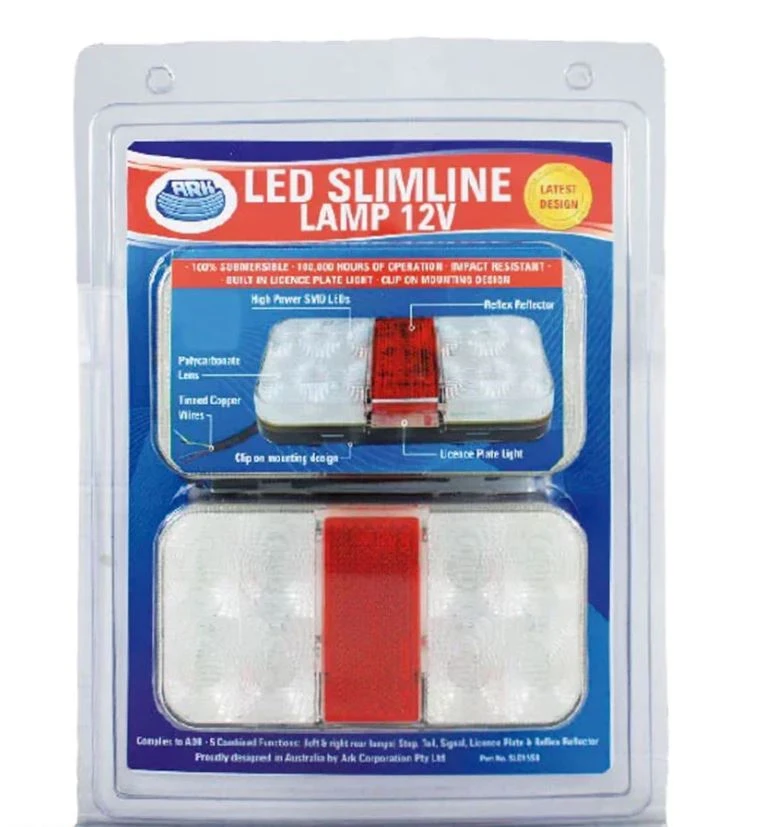
Many submersible trailer lights use LED technology. LEDs are more durable, energy-efficient, and longer-lasting compared to traditional incandescent bulbs. They are also less prone to breaking and can withstand the vibrations and impacts common in marine and towing environments.
Impact-Resistant Housing
The housing of submersible trailer lights is often made from impact-resistant materials. This is crucial for preventing damage from road debris, collisions, or rough handling. The use of tough polycarbonate or other durable plastics ensures the lights remain intact and operational.
Multi-Functionality
Submersible trailer lights often combine multiple functions in one unit, including tail lights, brake lights, turn signals, and reflectors. This integration not only simplifies installation but also reduces the number of components exposed to potential water damage.
Benefits of Submersible Trailer Lights
Enhanced Safety
The primary benefit of submersible trailer lights is the enhanced safety they provide. Reliable lighting ensures that your trailer is visible to other drivers, reducing the risk of accidents. Proper functioning brake lights and turn signals are crucial for communicating your intentions on the road.
Durability and Longevity
Submersible trailer lights are built to last. Their robust construction and resistance to water and corrosion mean they can withstand harsh conditions that would quickly degrade standard lights. This durability translates into fewer replacements and lower maintenance costs over time.
Ease of Maintenance
Since submersible trailer lights are designed to resist water and corrosion, they require less frequent maintenance. Regular trailer lights might need constant checks and replacements due to water damage, but submersible lights can withstand regular dunkings without issue.
Versatility
These lights are not just for boat trailers. They can be used on any trailer that might encounter wet conditions, such as utility trailers, jet ski trailers, or even off-road trailers. Their versatility makes them a valuable addition for any trailer owner who deals with water frequently.
Choosing the Right Submersible Trailer Lights
When selecting submersible trailer lights, several factors should be considered to ensure you get the best product for your needs.
Compatibility
Ensure the lights you choose are compatible with your trailer. This includes the voltage requirements and the mounting style. Most trailer lights are designed to fit standard mounting brackets, but it’s always best to double-check.
Brightness and Visibility
The brightness of the lights is a crucial factor. LEDs are typically brighter and more visible than incandescent bulbs, making them a safer choice. Look for lights that meet or exceed the visibility requirements set by local regulations.
Ease of Installation
Some submersible trailer lights come with plug-and-play wiring, making installation straightforward. Others might require more complex wiring. Consider your comfort level with electrical work or consult a professional to ensure proper installation.
Brand Reputation and Reviews
Researching brands and reading reviews can provide insight into the reliability and performance of different submersible trailer lights. Brands with a good reputation and positive customer feedback are generally a safer bet.
Legal Compliance
Ensure that the lights comply with the regulations and standards set by your local transportation authorities. This typically includes specifications for brightness, color, and placement of the lights.
Installation Tips
Installing submersible trailer lights can be a straightforward process if you follow some basic guidelines:
Gather Tools and Materials: Before starting, ensure you have all necessary tools and materials, including the new lights, wiring harness, connectors, and mounting hardware.
Remove Old Lights: Carefully remove the old lights, noting how they were connected. This can help guide you during the installation of the new lights.
Inspect Wiring: Check the existing wiring for any damage or corrosion. Replace any damaged sections to ensure a reliable connection.
Mount the Lights: Attach the new lights to the trailer using the provided hardware. Ensure they are securely mounted and positioned according to legal requirements.
Connect Wiring: Follow the wiring instructions provided with the lights. Use waterproof connectors to prevent future water damage. Test the connections to ensure all functions (tail lights, brake lights, turn signals) are working correctly.
Seal and Protect: Use electrical tape or heat shrink tubing to seal the connections. This adds an extra layer of protection against water ingress.
Test the Lights: Once installed, test the lights by connecting the trailer to your vehicle and checking each function. Ensure they are bright and clearly visible.
Conclusion
Submersible trailer lights are a crucial investment for anyone who frequently uses their trailer in wet conditions. Their waterproof, durable design ensures reliable performance and enhances safety on the road. By understanding the key features, benefits, and installation tips, you can make an informed decision and keep your trailer well-lit and road-ready. Whether you\'re hauling a boat, jet ski, or other equipment, submersible trailer lights provide the reliability and peace of mind you need for safe travels.
























Sign in to leave a comment.