
Keeping a swimming pool clean and sparkling takes more than just skimming leaves or adding chlorine. One of the most important tools in maintaining a pool is a reliable pool cleaner. But with so many choices out there—suction, pressure, and robotic pool cleaners—how do you know which one is the best for you?
In this blog, we’ll compare these three types of pool vacuum cleaners, their pros and cons, how they work, and help you figure out which one truly “wins” based on your pool’s needs, your budget, and your lifestyle.
Understanding the Basics
Before diving into comparisons, let’s understand what each type of cleaner actually does.
1. Suction Pool Cleaners
Suction-side pool cleaners attach to the suction line of your pool’s filtration system. They use the suction from your pool pump to move around and vacuum dirt and debris from the pool floor and walls.
2. Pressure Pool Cleaners
Pressure-side cleaners connect to the return side (pressure side) of the pool pump. They use water pressure to move around and collect debris in a separate bag rather than relying on the pool filter.
3. Robot Pool Cleaners
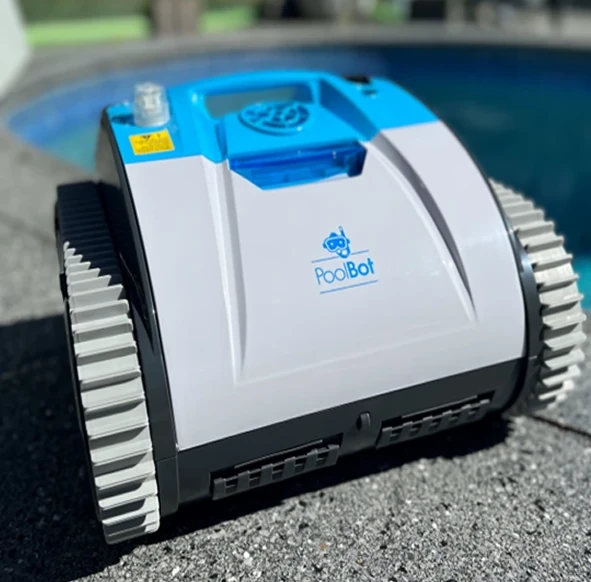
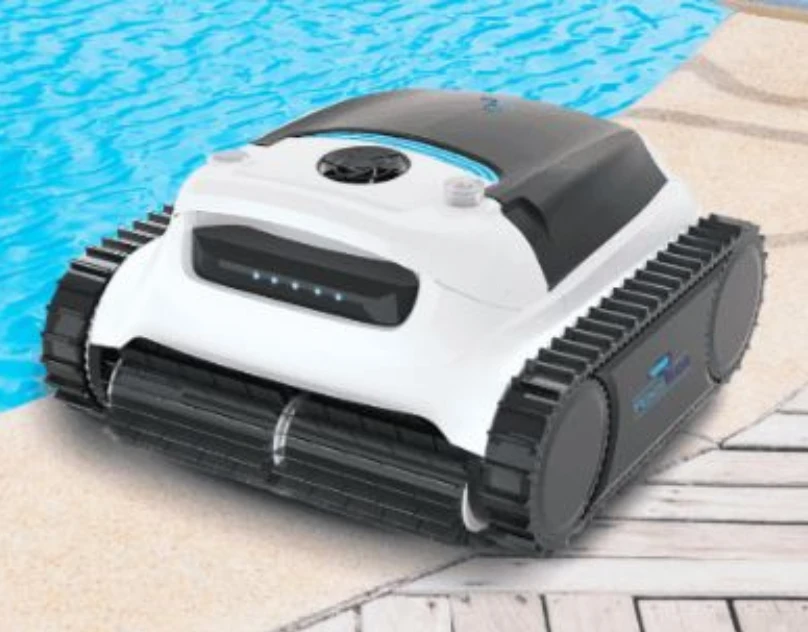
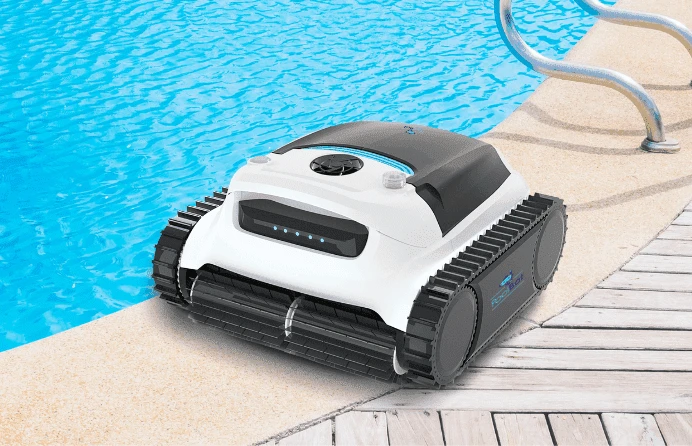
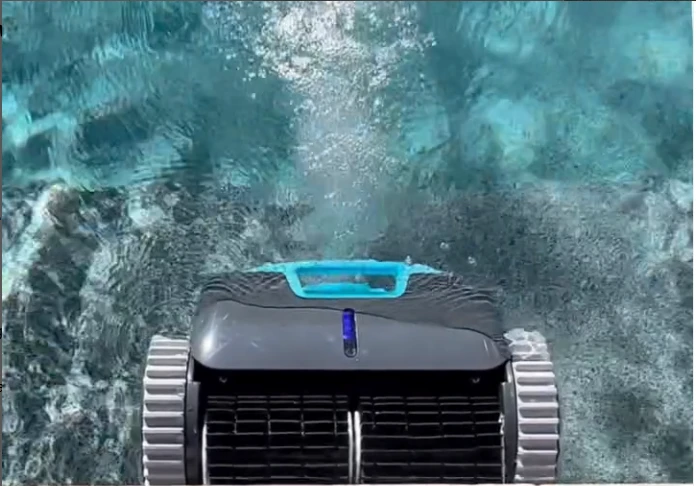
Robot pool cleaners are self-contained units with their own electric motors and filtration systems. They don’t rely on your pool pump or filter, and they run independently using a plug-in power source.
How They Compare: Key Features
Let’s break down the major differences between suction, pressure, and robotic pool cleaners by looking at several key factors:
1. Cleaning Performance
- Suction Cleaners: Good for removing fine particles like sand, dirt, and algae. However, they can struggle with large debris like leaves or twigs.
- Pressure Cleaners: Better at picking up larger debris such as acorns, leaves, and insects. Many models come with a filter bag that keeps debris out of your pool’s filtration system.
- Robotic Cleaners: Offer the most thorough clean. Advanced models scrub walls, floors, waterlines, and can handle both fine and large debris with their own onboard filters.
Winner: ✅ Robotic Cleaners — They provide the most comprehensive cleaning.
2. Energy Efficiency
- Suction Cleaners: Depend on your pool’s pump, so they can increase your energy bill, especially if your pump isn’t energy efficient.
- Pressure Cleaners: Often require a booster pump, which adds to energy usage and cost.
- Robotic Cleaners: Use low-voltage electricity and don’t rely on your pool’s pump or filter. They’re generally the most energy-efficient option.
Winner: ✅ Robotic Cleaners — Low power usage and cost-efficient in the long run.
3. Installation & Setup
- Suction Cleaners: Easy to install by connecting to the skimmer or a dedicated suction line. No tools usually required.
- Pressure Cleaners: Installation is more involved, especially if a booster pump is required. May need professional setup.
- Robotic Cleaners: Just plug in, drop in the pool, and turn on. Easiest of the three to set up and use.
Winner: ✅ Robotic Cleaners — Plug-and-play design makes them the easiest to use.
4. Maintenance Needs
- Suction Cleaners: Rely on your pool’s filter to trap debris, meaning you’ll need to clean your filter more often.
- Pressure Cleaners: Have their own debris bag, which needs to be emptied, but they still add some wear to the pool’s system.
- Robotic Cleaners: Self-contained with their own filter bags or cartridges. Easy to remove and rinse clean.
Winner: ✅ Robotic Cleaners — Less strain on your pool’s system and easier to maintain.
5. Cost Considerations
- Suction Cleaners: Most affordable option, typically ranging from $100–$400.
- Pressure Cleaners: Mid-range, usually $300–$800. Booster pumps can add to the cost.
- Robotic Cleaners: Highest upfront cost, ranging from $500–$1,500 or more depending on features.
Winner: 🟨 Suction Cleaners — If you’re on a tight budget.
6. Lifespan & Durability
- Suction & Pressure Cleaners: Depend on your pool system, which can increase wear and tear on pumps and filters over time.
- Robotic Cleaners: Built for long-term use with fewer moving parts connected to the pool’s main system.
Winner: ✅ Robotic Cleaners — Usually last longer with proper care.
When to Choose Each Type
Your best choice depends on your specific needs. Here’s a quick guide:
Choose Suction Pool Cleaners If:
- You have a tight budget.
- Your pool mostly gets fine dirt or sand.
- You don’t mind doing a bit more filter maintenance.
Choose Pressure Pool Cleaners If:
- Your pool is surrounded by trees or gets lots of large debris.
- You already have a booster pump.
- You want something more powerful than a suction cleaner but don’t want the cost of a robot.
Choose Robotic Pool Cleaners If:
- You want the best and most convenient cleaning experience.
- You prefer plug-and-play simplicity.
- You want to reduce your pool pump’s wear and energy costs.
Final Verdict: Which One Wins?
While all three types have their advantages, robotic pool cleaners win the overall race in terms of performance, ease of use, and long-term value.
They might have a higher initial cost, but their independent operation, energy efficiency, and superior cleaning power make them a favorite among modern pool owners.
Popular Brands to Consider
- Suction Cleaners: Hayward Navigator, Zodiac Baracuda
- Pressure Cleaners: Polaris Vac-Sweep 360, Pentair Racer
- Robotic Cleaners: Dolphin Nautilus, PoolBot A100/B300, Polaris Alpha IQ+
Conclusion
Choosing the right pool cleaner can save you time, energy, and money while keeping your pool in pristine condition. Suction and pressure cleaners can be great depending on your pool’s debris type and your budget, but robotic cleaners truly shine for their overall convenience and performance.
If you’re looking for a hassle-free cleaning solution that gives you more time to enjoy your pool rather than clean it—a robotic cleaner might be your best bet.























Sign in to leave a comment.