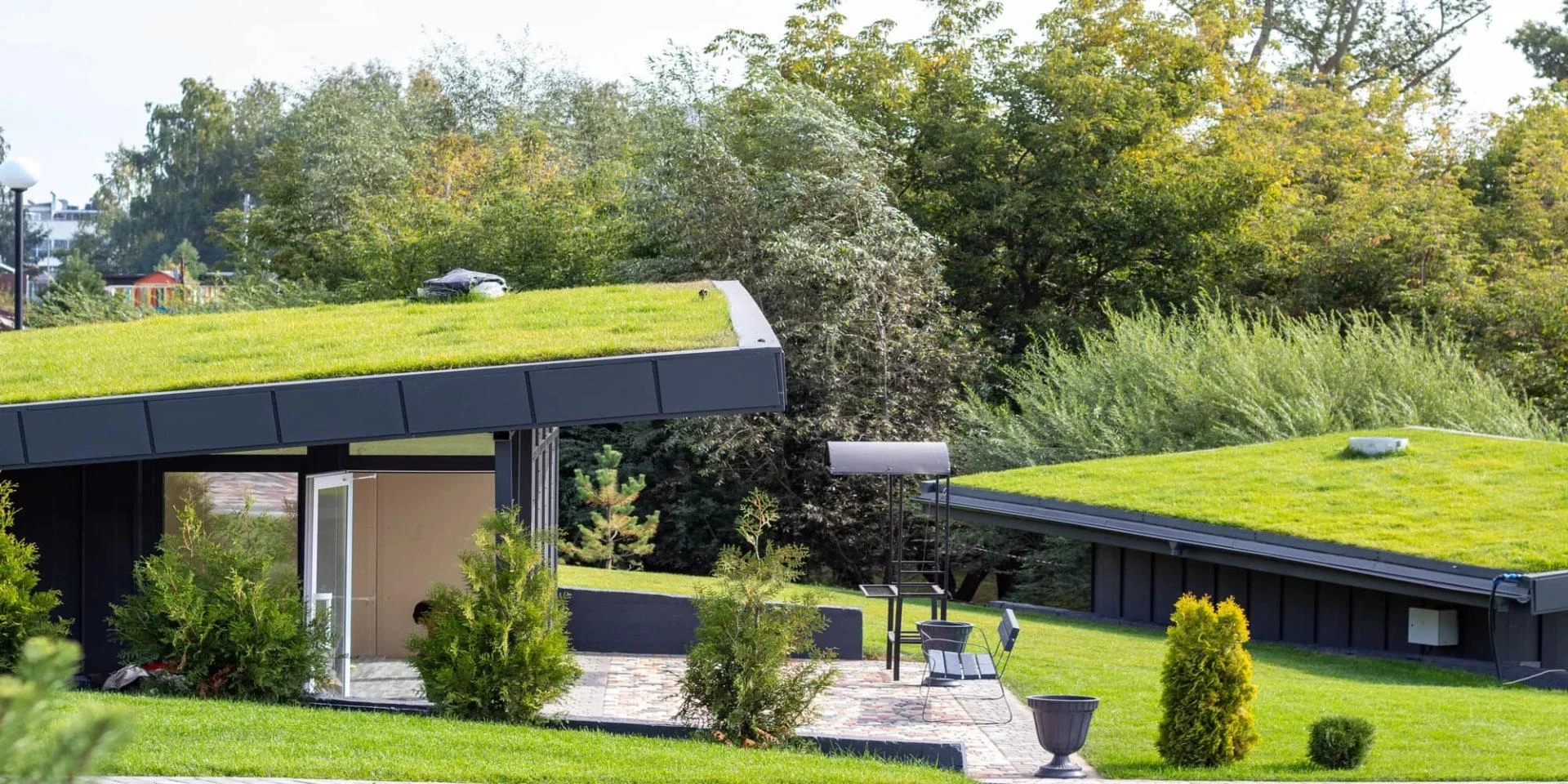

In the context of urban development and environmental management, the Sustainable Urban Drainage Systems (SUDS) have emerged as a pivotal approach to managing surface water. The implementation of SUDS has gained traction as cities grapple with the challenges posed by increased rainfall, urbanization, and climate change. The SUDS report serves as a cornerstone in this framework, providing essential insights and guidelines for effective drainage planning that aligns with sustainability goals. This article delves into the significance of the SUDS report and its role in shaping sustainable drainage planning practices.
Understanding SUDS and Their Relevance
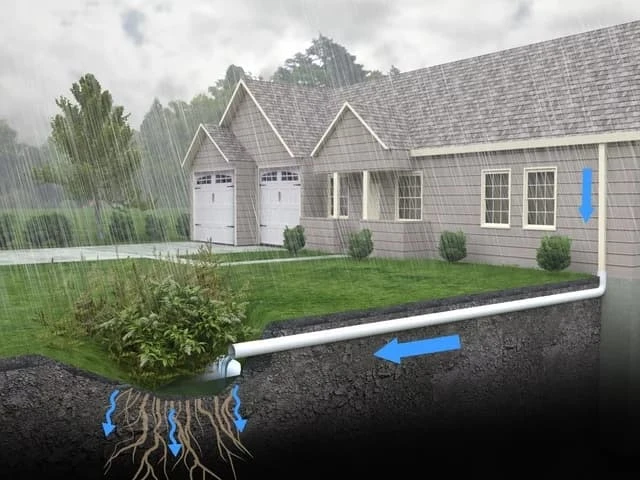
The concept of SUDS revolves around mimicking natural drainage processes to manage rainfall and surface runoff. Traditional drainage systems often lead to rapid runoff, causing flooding and water quality issues. In contrast, SUDS integrate various techniques such as permeable pavements, green roofs, and retention ponds to slow down water flow, promote infiltration, and enhance water quality. The SUDS report provides a comprehensive overview of these techniques, outlining the benefits they offer in urban environments.
One of the primary objectives of the SUDS report is to mitigate the adverse effects of urbanization on the hydrological cycle. It highlights how traditional systems can exacerbate flooding and pollution, while SUDS provide a more balanced approach. By incorporating vegetation and natural elements into drainage design, the report advocates for solutions that not only address the functional aspects of drainage but also enhance the aesthetic and ecological value of urban spaces.
Moreover, the SUDS report emphasizes the importance of stakeholder collaboration in the planning process. Engaging with local communities, urban planners, and environmental experts ensures that the proposed solutions are contextually relevant and effectively address local challenges. This collaborative approach fosters a sense of ownership and responsibility among stakeholders, ultimately leading to more successful implementation of sustainable drainage strategies.
Key Components of a SUDS Report
A well-structured SUDS report is essential for guiding effective drainage planning. It typically encompasses several key components that collectively contribute to a comprehensive understanding of the project's implications. These components include an assessment of the existing drainage conditions, identification of potential SUDS techniques, and recommendations for implementation.
Assessment of Existing Conditions
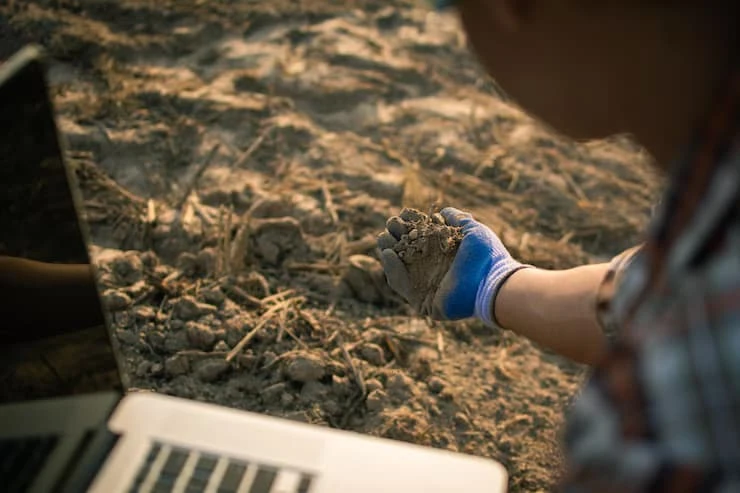
The initial phase of creating a SUDS report involves a thorough assessment of the existing drainage conditions within the target area. This assessment includes analyzing the topography, soil types, land use, and hydrology. By understanding how water currently flows through the landscape, planners can identify areas that are prone to flooding or erosion.
For instance, if a particular area has impermeable surfaces that impede water infiltration, this information becomes critical in determining which SUDS techniques would be most effective. The report may suggest the installation of permeable pavements or bio-retention areas to facilitate water absorption and reduce surface runoff. This data-driven approach ensures that the proposed solutions are tailored to the specific challenges of the site.
Identification of Potential SUDS Techniques
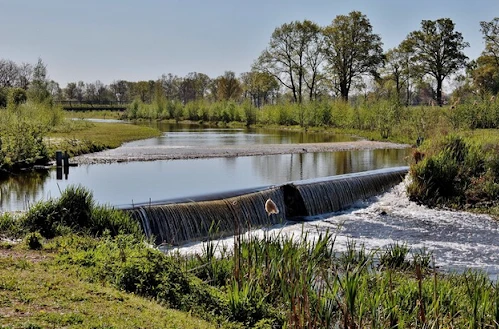
Once the existing conditions are assessed, the next step in the SUDS report is to identify suitable SUDS techniques based on the unique characteristics of the area. Various methods can be employed, ranging from simple interventions like rain gardens to more complex systems like constructed wetlands. Each technique has its specific advantages, and the report should outline these benefits in relation to the project's objectives.
For example, rain gardens are effective in managing runoff from impervious surfaces while also providing habitat for local flora and fauna. On the other hand, constructed wetlands can serve as natural filters, improving water quality by removing pollutants. The report should not only highlight the potential techniques but also discuss their applicability, maintenance requirements, and long-term sustainability.
Recommendations for Implementation
The final component of the SUDS report focuses on providing actionable recommendations for implementation. This section outlines the steps required to integrate SUDS into the existing drainage infrastructure. It may include timelines for implementation, necessary permits, and potential challenges that may arise during the process.
Moreover, the report should address the importance of monitoring and maintenance post-implementation. Sustainable drainage systems require ongoing care to ensure their effectiveness. By establishing a maintenance plan, stakeholders can ensure the longevity and functionality of the SUDS techniques employed.
The Role of SUDS Reports in Policy and Regulation
SUDS reports play a critical role in shaping policy and regulatory frameworks surrounding drainage planning. As governments increasingly recognize the need for sustainable development, these reports provide the necessary evidence to support policy changes. By showcasing the benefits of SUDS, the reports can influence decision-makers to adopt more progressive approaches to urban drainage.
In many regions, regulatory bodies are beginning to incorporate SUDS principles into planning policies. These policies encourage developers to integrate sustainable drainage solutions into their projects, ultimately leading to a paradigm shift in how urban areas manage stormwater. The SUDS report serves as a foundational document that outlines these principles and provides a roadmap for compliance with new regulations.
Furthermore, the report can also serve as a valuable tool for public education. By disseminating information about the benefits of SUDS and sustainable drainage practices, communities can become more informed and engaged in local planning processes. This increased awareness fosters a culture of sustainability and encourages residents to advocate for environmentally friendly practices in their neighborhoods.
Challenges and Considerations in SUDS Implementation
While the SUDS report provides valuable insights and recommendations, it is essential to recognize that implementing sustainable drainage solutions is not without its challenges. One of the primary obstacles is the initial resistance to change among stakeholders, particularly in areas where traditional drainage practices have been the norm for decades. Overcoming this resistance requires effective communication and education to demonstrate the long-term benefits of SUDS.
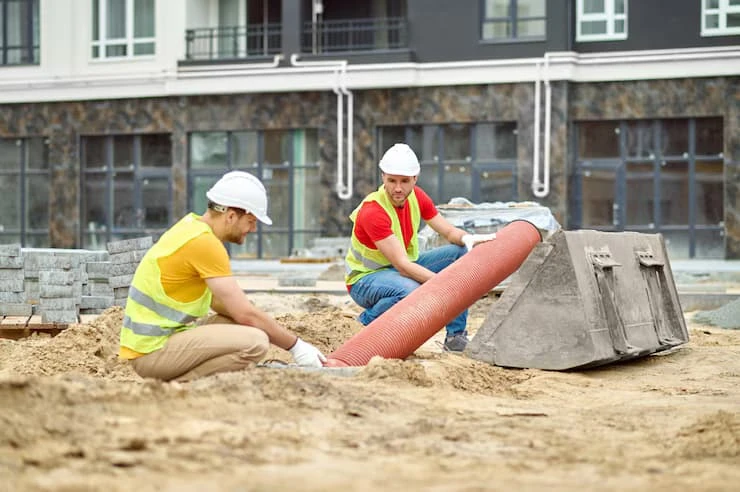
Additionally, the integration of SUDS into existing infrastructure can present logistical challenges. Retrofitting urban areas with sustainable drainage systems may require careful planning and coordination among various stakeholders, including local governments, developers, and environmental agencies. The SUDS report must address these challenges and propose strategies to facilitate smooth implementation.
Another consideration is the need for ongoing funding and resources to maintain SUDS systems effectively. Without adequate support, even the best-designed systems may fall into disrepair, compromising their functionality and effectiveness. The report should emphasize the importance of securing funding for maintenance and monitoring efforts to ensure the long-term success of SUDS initiatives.
Conclusion
In conclusion, the SUDS report is an invaluable resource for supporting sustainable drainage planning in urban environments. By providing a comprehensive overview of SUDS techniques, assessing existing conditions, and offering actionable recommendations, the report serves as a guiding document for stakeholders involved in drainage management. As cities face increasing pressure from climate change and urbanization, the adoption of sustainable drainage solutions becomes more critical than ever.
The collaboration between local communities, planners, and environmental experts, as advocated in the report, is essential for achieving successful outcomes. By embracing the principles outlined in the SUDS report, urban areas can create resilient and sustainable drainage systems that benefit both the environment and the communities they serve. For more insights and guidance on sustainable drainage practices, visit Onn Point Civil Engineering, where expertise meets commitment to environmental stewardship.

























Sign in to leave a comment.