

Hot weather can put considerably more stress on a diesel generator, making summer maintenance tips prevent generator overheating especially important for businesses, facilities, construction sites, hospitals, and other locations that depend on reliable backup power. When temperatures rise, the generator engine, cooling system, battery, lubricants, and electrical components all have to work harder to maintain normal operating conditions.
A generator that performs reliably during cooler months may show warning signs during summer. Rising coolant temperature, reduced performance, unexpected shutdowns, or excessive smoke can indicate that heat is no longer being managed effectively. The good news is that many overheating problems can be reduced through proper maintenance, suitable installation, and timely professional inspection.
Why Summer Heat Is Hard on Diesel Generators
A diesel generator already produces substantial heat while converting fuel energy into mechanical and electrical power. During summer, high ambient temperatures reduce the difference between the temperature of the generator and its surroundings. This can make it more difficult for the cooling system to transfer heat away from the engine. The problem can become more noticeable when a generator operates for extended periods or carries a high electrical load. A unit working close to its rated capacity generates more heat than one operating at a lighter load. If airflow is restricted or the radiator cannot dissipate heat efficiently, temperatures can climb quickly.
Installation conditions also matter. A generator installed inside a poorly ventilated enclosure or near a heat source may experience higher intake-air temperatures than expected. Dust, debris, and other contaminants can further restrict airflow through radiator surfaces, reducing cooling efficiency.
Start With the Cooling System
The cooling system deserves particular attention before and during the summer season. Coolant should be checked according to the manufacturer's recommended procedure, and the cooling system should contain the correct coolant mixture rather than relying on plain water unless the equipment manufacturer specifically permits it. Low coolant levels can prevent effective heat transfer, while degraded or contaminated coolant can reduce cooling-system performance. Hoses, clamps, belts, the radiator, and related components should also be inspected for deterioration, leaks, looseness, or damage.
The radiator itself is particularly important. Dust and dirt accumulated between the fins can restrict airflow and reduce heat dissipation. Cleaning should be carried out using a method appropriate for the radiator and recommended by the equipment manufacturer. Excessive pressure or an unsuitable cleaning technique can damage delicate fins.
Airflow Can Make or Break Generator Performance
Good airflow is one of the simplest but most frequently overlooked aspects of generator cooling. The generator room should have adequate ventilation, while intake and exhaust paths should remain unobstructed. For enclosed installations, hot air leaving the radiator should not be allowed to circulate back toward the generator's air intake. This recirculation can raise the temperature of incoming air and gradually increase the thermal load on the engine.
Outdoor generators require attention as well. Nearby walls, temporary structures, stored materials, or construction debris can interfere with ventilation. During summer, even seemingly minor obstructions can become significant when the generator is running continuously.
Check Engine Oil and Lubrication
Engine oil does more than lubricate moving parts. It also helps carry heat away from internal engine components. High ambient temperatures and extended operating periods can place additional demands on the lubrication system. Oil level and condition should therefore be checked as part of regular maintenance. Using the grade specified by the generator manufacturer is important because oil viscosity affects lubrication performance across different operating temperatures.
An engine consuming or leaking oil should not simply be topped up repeatedly without investigating the underlying cause. Persistent oil loss can point toward leaks, worn components, or other mechanical problems that require professional attention.
Don't Ignore the Battery
Summer maintenance is often associated with the engine and radiator, but the starting battery also deserves attention. High temperatures can accelerate battery deterioration and water loss in certain battery types, while poor connections can create starting problems.
Battery terminals should be kept clean and secure, and the charging system should be checked if the battery repeatedly loses charge. A generator that struggles to start after sitting unused may have a battery or charging-system issue rather than an engine problem. Keeping the battery and electrical connections in good condition is particularly important for standby generators because they may need to start immediately during a power failure.
Pay Attention to Generator Load
Operating conditions have a direct influence on heat generation. A generator running continuously under heavy load during extremely hot weather deserves closer monitoring than a unit operating intermittently at a moderate load.
At the same time, generator owners should follow the manufacturer's recommendations regarding minimum and maximum loading. Regularly operating a diesel generator far below its appropriate load range can create other operational concerns, while sustained excessive loading can increase thermal stress. Monitoring load, coolant temperature, oil pressure, and other available parameters can help operators recognize unusual conditions before they become major failures.
Exhaust and Emission Control Need Summer Attention Too
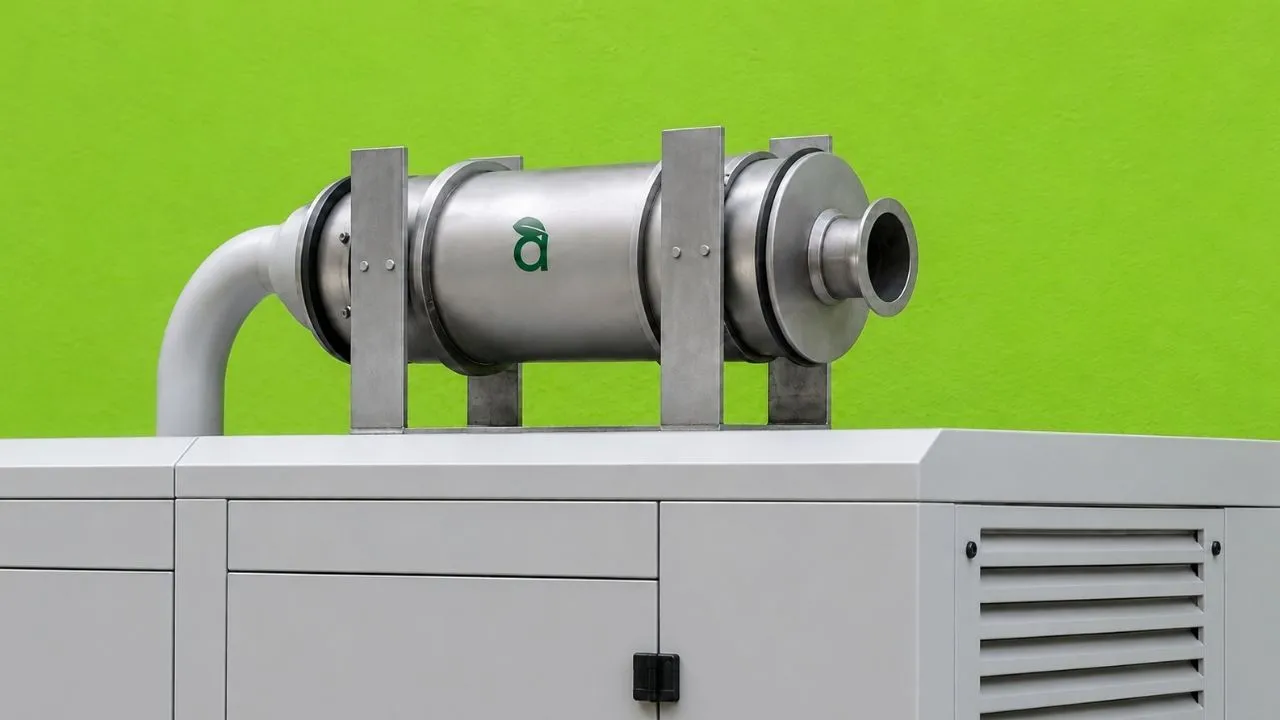
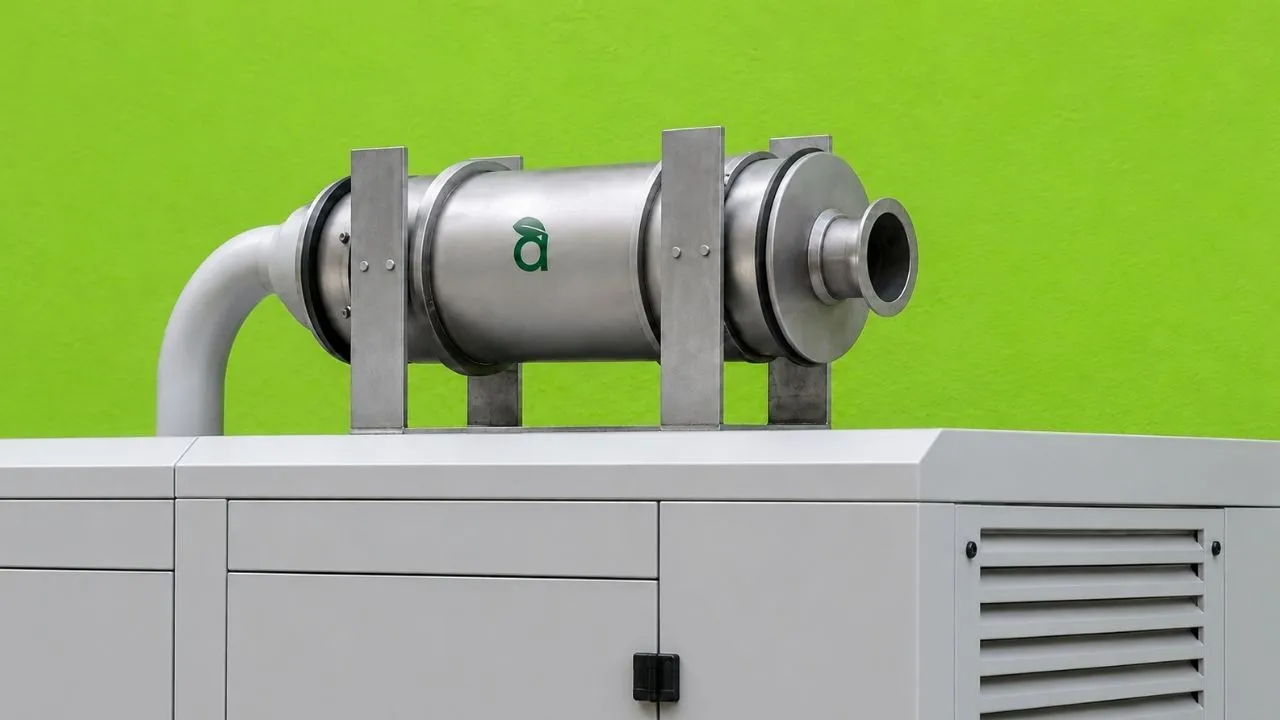
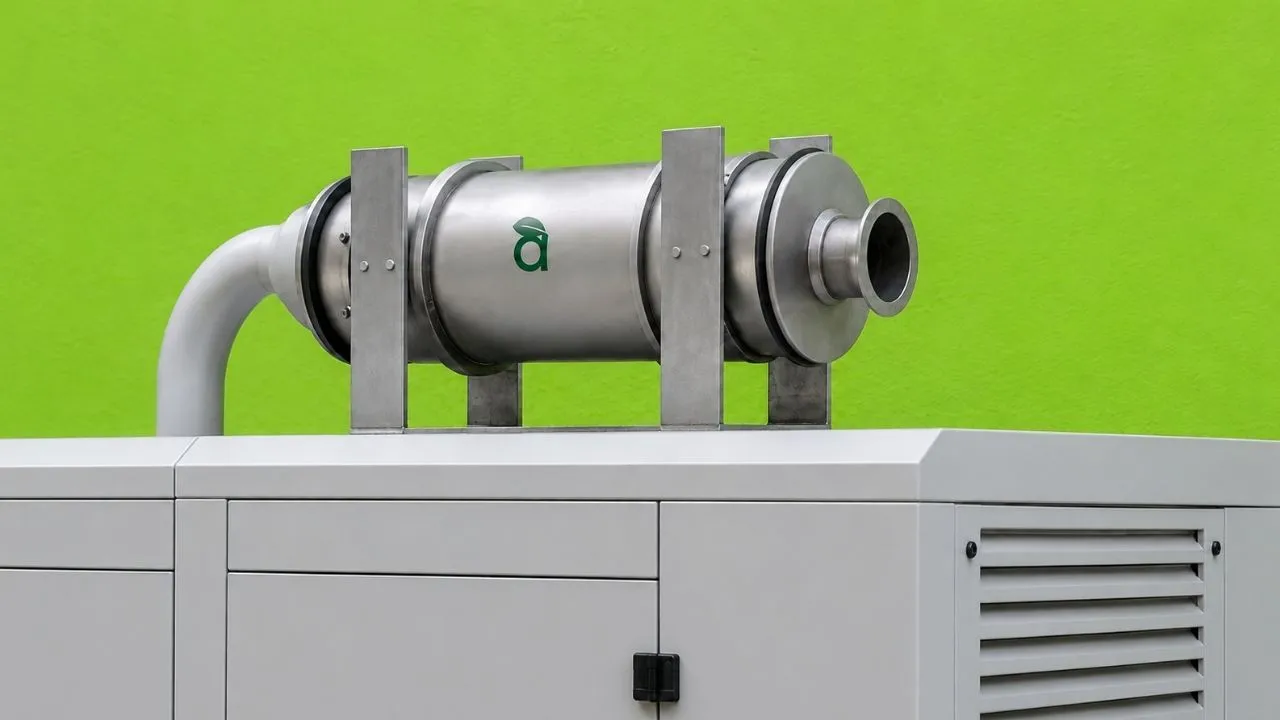
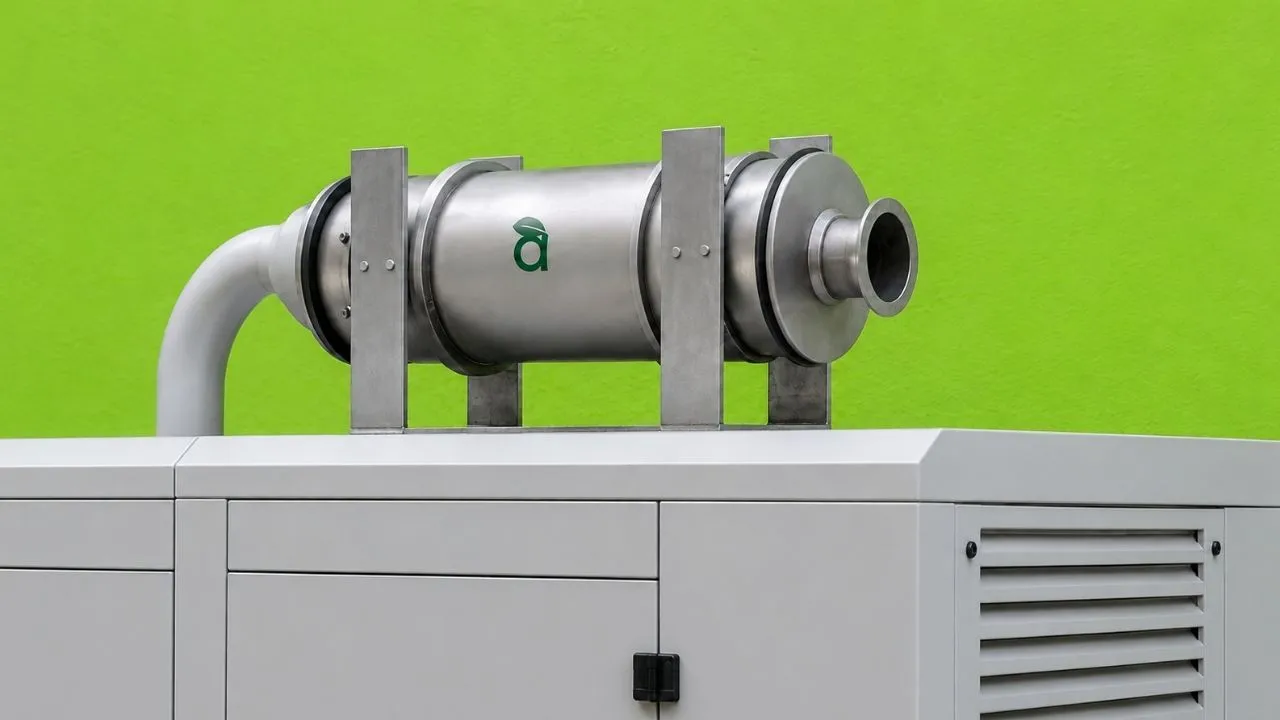
The exhaust system is another area that should not be overlooked. Excessive back pressure, damaged exhaust components, or problems with emission-control equipment can affect engine performance and operating temperature. For facilities using retrofit emission-control technology, the condition and operation of the emission-control system should be considered as part of overall generator maintenance. A properly selected and maintained DG set RECD device can form part of an emission-control strategy for applicable generator installations, but its suitability and requirements should be evaluated according to the specific generator, operating conditions, and applicable regulations.
CPCB requirements and applicable pollution-control directions can change, and they may depend on factors such as generator specifications, installation location, and operating conditions. Generator owners should therefore verify current requirements directly with CPCB, the relevant State Pollution Control Board, CAQM where applicable, or another competent authority rather than relying solely on general online information.
Watch for Early Signs of Overheating
Overheating rarely appears without warning. An unusually high coolant-temperature reading, frequent high-temperature alarms, unexpected engine shutdowns, reduced performance, coolant loss, or visible steam should be treated seriously. Changes in exhaust smoke can also provide useful clues, although smoke color alone cannot establish the exact cause of a problem. Unusual engine sounds, loss of power, coolant leaks, and repeated warning codes deserve professional investigation.
If the temperature rises beyond the manufacturer's recommended operating range, continuing to run the generator simply to complete a task can turn a manageable cooling problem into a major engine repair. Operators should follow the manufacturer's emergency and shutdown procedures and allow the equipment to cool safely before inspection.
Professional Inspection Before Peak Summer Operation
Preventive maintenance is generally more economical than repairing an engine damaged by prolonged overheating. Before a period of heavy summer operation, professional technicians can inspect the cooling system, belts, hoses, radiator, battery, lubrication system, fuel system, electrical components, exhaust system, and control parameters.
This becomes particularly valuable for older generators or machines that have recently experienced temperature alarms. A generator may continue running despite reduced cooling efficiency, but that does not mean the underlying issue has disappeared. Facilities that rely on generators for critical operations should also maintain service records. Tracking coolant changes, oil service, operating hours, alarms, repairs, and performance observations can help identify recurring problems and improve maintenance planning.
Conclusion
Summer generator care is ultimately about managing heat before it becomes a failure. Clean cooling surfaces, sufficient airflow, correct fluids, healthy batteries, appropriate loading, and regular inspections work together to keep the generator operating within its intended conditions. For businesses and industrial facilities, professional servicing is especially valuable when generators operate for long hours or support critical loads. Emission-control equipment should also be inspected as part of the wider generator system rather than treated as an isolated component. A well-maintained generator is better prepared to handle demanding summer conditions. By responding to early warning signs and following the equipment manufacturer's maintenance recommendations, owners can reduce avoidable downtime and help extend the useful operating life of their power-generation equipment.
Frequently Asked Questions
How does hot weather affect a diesel generator?
High ambient temperatures can make it harder for the cooling system to dissipate engine heat. Extended operation, heavy loads, restricted airflow, and inadequate maintenance can increase the risk of overheating.
How often should a generator cooling system be checked in summer?
Inspection frequency depends on the generator model, operating hours, environment, and manufacturer's maintenance schedule. Generators operating frequently in dusty or hot environments may require more frequent inspections.
Can low coolant cause a generator to overheat?
Yes. Insufficient coolant can reduce the cooling system's ability to remove heat from the engine. However, repeated coolant loss should also be investigated because it may indicate a leak or another mechanical problem.
What should I do if my generator overheats?
Follow the manufacturer's shutdown procedure and avoid continuing operation under unsafe temperature conditions. Allow the generator to cool safely and have the cause investigated before returning it to service.
Does emission-control equipment require maintenance?
Yes. Emission-control equipment should be inspected and maintained according to the equipment manufacturer's instructions and applicable requirements. Its condition can be important to overall generator performance and emissions management.






















Sign in to leave a comment.