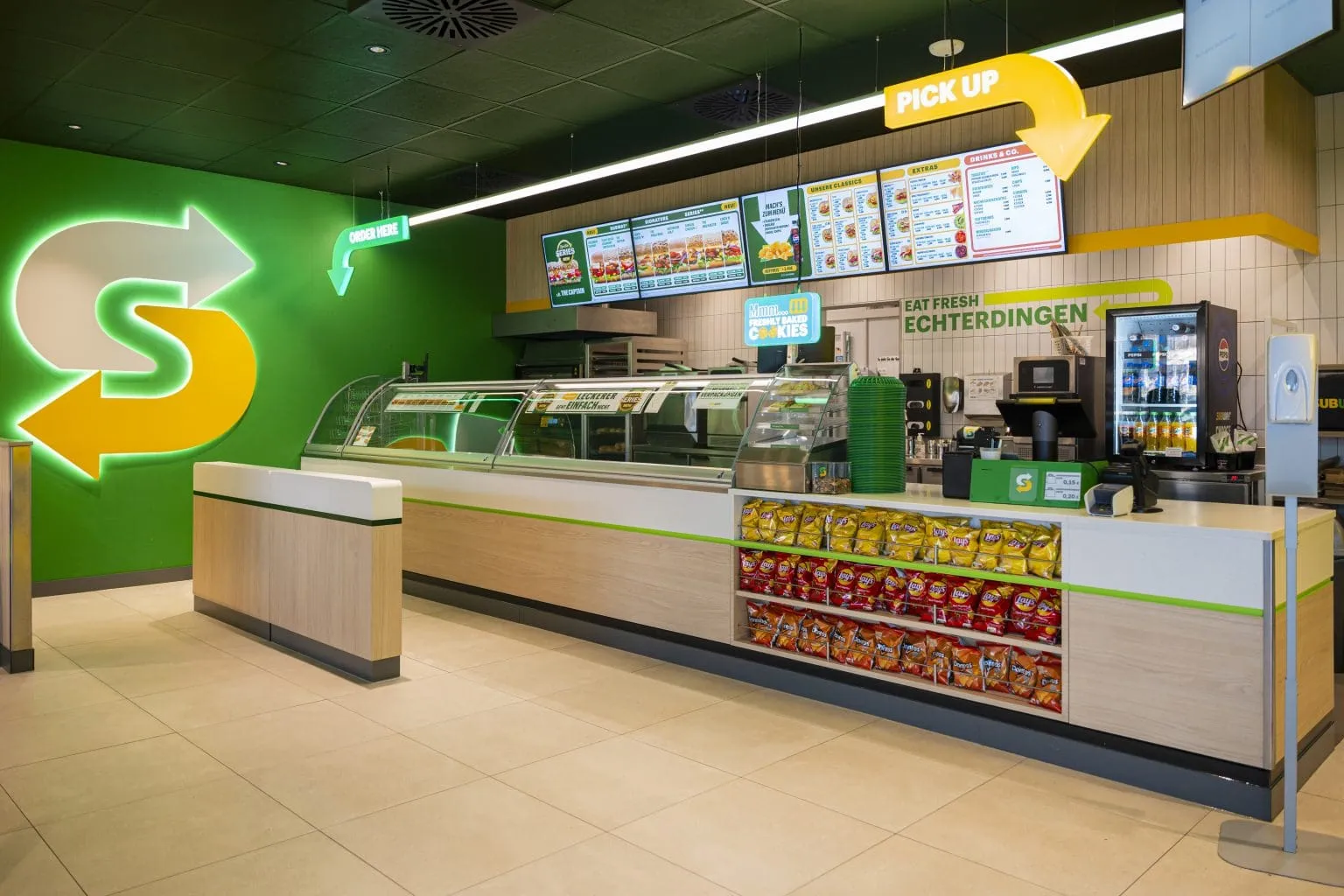

In today's competitive retail landscape, supermarket design plays a critical role in attracting customers, improving shopping experiences, and increasing revenue. Modern consumers expect more than just shelves filled with products; they seek convenience, comfort, and memorable brand interactions. A well-designed supermarket can influence customer behavior, encourage longer visits, and ultimately boost sales.
At M Worldwide, innovative experience branding and strategic creativity are at the heart of creating impactful retail environments. By combining aesthetics, functionality, and customer psychology, businesses can transform ordinary supermarkets into engaging destinations that keep shoppers coming back.
Why Supermarket Design Matters
The layout and appearance of a supermarket directly affect how customers interact with the space. Research consistently shows that thoughtful store design can influence purchasing decisions, increase basket size, and enhance customer satisfaction.
A successful supermarket design helps customers navigate the store easily while exposing them to a wide range of products. Strategic placement of departments, clear signage, and visually appealing displays contribute to a smoother shopping journey. When customers feel comfortable and inspired, they are more likely to spend additional time exploring the store.
Furthermore, supermarket design reinforces brand identity. Every element, from lighting and colors to fixtures and digital experiences, communicates the brand's values and personality.
Creating a Customer-Centric Store Layout
One of the most important aspects of supermarket design is the store layout. The goal is to create a natural flow that guides shoppers through key sections while maintaining convenience.
Fresh produce departments are often positioned near the entrance to create a positive first impression. Vibrant fruits and vegetables convey freshness and quality, setting the tone for the entire shopping experience. Essential items are typically located throughout the store, encouraging customers to walk through multiple aisles and discover additional products.
Wide aisles, logical product grouping, and accessible checkout areas improve customer comfort and reduce frustration. A customer-centric layout ensures that shoppers can easily find what they need while remaining open to impulse purchases.
The Role of Experience Branding in Supermarket Design
Modern supermarkets are evolving beyond transactional spaces into experiential environments. Experience branding focuses on creating emotional connections between customers and brands through carefully crafted interactions.
Effective supermarket design incorporates storytelling elements that reflect the retailer's identity. This may include themed sections, interactive displays, local community features, or digital touchpoints that enhance engagement.
For example, a supermarket emphasizing sustainability can incorporate natural materials, eco-friendly signage, and educational displays about responsible sourcing. These elements reinforce the brand message and create a more meaningful shopping experience.
When customers connect emotionally with a brand, loyalty increases, resulting in repeat visits and stronger customer relationships.
Strategic Lighting and Visual Merchandising
Lighting is a powerful tool in supermarket design. It not only improves visibility but also influences mood and purchasing behavior.
Different departments require different lighting strategies. Fresh produce often benefits from bright, natural-looking illumination that enhances color and freshness. Bakery sections may use warmer lighting to create a welcoming atmosphere, while premium product areas can feature accent lighting to draw attention.
Visual merchandising complements lighting by presenting products in an attractive and organized manner. Eye-catching displays, seasonal promotions, and strategic product placement encourage exploration and impulse purchases.
By combining effective lighting with strong visual merchandising, supermarkets can create an environment that feels inviting, modern, and engaging.
Technology Integration for Modern Retail Experiences
Technology has become an essential component of contemporary supermarket design. Consumers increasingly expect seamless digital experiences that simplify shopping and provide added convenience.
Digital signage, interactive kiosks, self-checkout stations, and mobile app integration enhance efficiency while improving customer satisfaction. Smart technologies can also provide personalized promotions, real-time inventory updates, and navigation assistance.
Incorporating technology into supermarket design helps retailers meet evolving consumer expectations while creating a more innovative shopping environment. The key is to ensure that technology enhances rather than complicates the customer journey.
Sustainability in Supermarket Design
Sustainability is becoming a major priority for retailers and consumers alike. Environmentally conscious supermarket design can reduce operating costs while strengthening brand reputation.
Energy-efficient lighting systems, sustainable building materials, and environmentally friendly refrigeration solutions contribute to a greener retail environment. Waste reduction initiatives and reusable fixture systems further support sustainability goals.
Many customers actively seek businesses that demonstrate environmental responsibility. Incorporating sustainable practices into supermarket design can therefore serve as both a business advantage and a positive contribution to the community.
Enhancing Customer Comfort and Accessibility
A successful supermarket design must accommodate diverse customer needs. Accessibility and comfort are essential for creating an inclusive shopping experience.
Features such as clear wayfinding, accessible entrances, spacious aisles, and comfortable checkout areas ensure that all customers can navigate the store with ease. Seating areas, family-friendly facilities, and efficient customer service zones further improve convenience.
When customers feel comfortable and valued, they are more likely to return and recommend the store to others.
The Future of Supermarket Design
The future of supermarket design will continue to focus on personalization, technology, sustainability, and immersive brand experiences. Retailers must adapt to changing consumer preferences while maintaining operational efficiency.
Experience-driven environments, data-informed layouts, and innovative design solutions will shape the next generation of supermarkets. By investing in strategic creativity and customer-focused design, retailers can differentiate themselves in an increasingly competitive market.
Conclusion
Effective supermarket design is much more than arranging shelves and products. It is a strategic process that combines customer psychology, experience branding, visual appeal, technology, and sustainability to create memorable retail environments.
























Sign in to leave a comment.