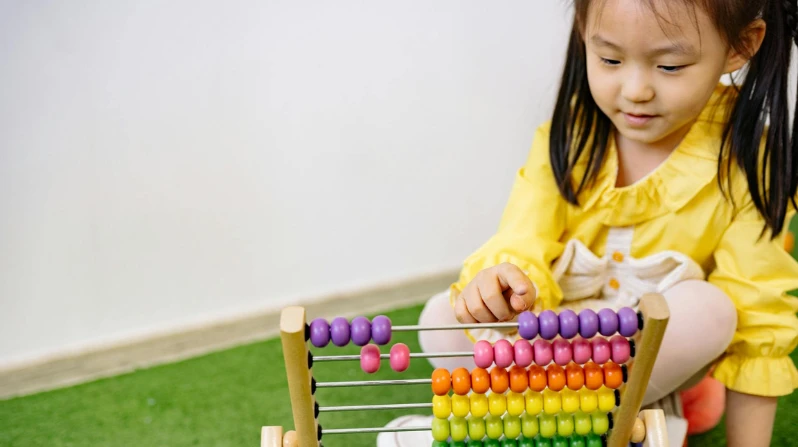

One of the most meaningful milestones in early childhood is the gradual development of independence. For many parents, this stage can feel both exciting and a little bittersweet—watching your child take on tasks on their own while still needing your guidance and reassurance. This is exactly where preschool programs play a powerful role. They are intentionally designed to nurture independence in preschoolers in ways that are developmentally appropriate, engaging, and confidence-building.
If you’re considering enrolling your child in a preschool program, understanding how independence is supported can help you see the deeper value beyond academics. It’s not just about learning letters and numbers—it’s about helping your child become capable, confident, and self-reliant.
Why Independence Matters in Early Childhood
Independence isn’t about pushing children to grow up too fast. Instead, it’s about giving them the tools and opportunities to do things for themselves, make choices, and feel a sense of accomplishment.
When children develop independence early on, they tend to:
- Build stronger self-confidence
- Develop problem-solving skills
- Become more resilient when facing challenges
- Improve decision-making abilities
- Feel a sense of responsibility for their actions
Preschool provides a safe and structured environment where children can practice these skills daily, with supportive teachers guiding them every step of the way.
How Preschool Encourages Independence
High-quality preschool programs are thoughtfully structured to promote independence in small but meaningful ways. Every activity, routine, and interaction is an opportunity for growth.
1. Structured Routines That Build Confidence
Children thrive on routine because it gives them a sense of predictability and control. In preschool, daily schedules are consistent—circle time, playtime, snack time, and cleanup all happen in a familiar pattern.
Over time, children begin to anticipate what comes next and take initiative without needing constant reminders.
- Putting away toys after playtime
- Preparing for snack or lunch
- Transitioning between activities smoothly
These simple routines help children feel capable and in control of their environment.
2. Encouraging Decision-Making
Preschool classrooms often provide children with choices throughout the day. While the options are guided, the act of choosing helps children feel empowered.
- Selecting which activity to join
- Choosing colors or materials for art projects
- Picking books during reading time
This freedom within structure is key to developing independence in preschoolers because it allows them to explore their preferences and make decisions safely.
3. Self-Help Skills Development
One of the most visible ways preschool supports independence is through everyday self-help tasks. Teachers encourage children to try things on their own before stepping in to help.
- Washing hands properly
- Opening lunch containers
- Putting on shoes or jackets
- Cleaning up spills
These moments may seem small, but they build a strong foundation for self-reliance and confidence.
4. Problem-Solving Opportunities
Instead of immediately solving problems for children, preschool teachers guide them to think through situations.
For example:
- If two children want the same toy, they are encouraged to find a solution together
- If a puzzle is challenging, teachers offer hints rather than answers
- If something doesn’t work, children are encouraged to try again
This approach helps children learn persistence and critical thinking—essential life skills that go far beyond the classroom.
5. Social Independence
Independence isn’t just about doing tasks alone—it also includes navigating social situations.
Preschool helps children:
- Initiate play with peers
- Express their needs and feelings
- Resolve conflicts with guidance
- Build friendships
These experiences teach children how to function confidently in group settings, which is a crucial part of their development.
6. A Safe Space to Try and Fail
One of the biggest barriers to independence is the fear of making mistakes. Preschool environments are intentionally designed to be supportive and non-judgmental.
Children are encouraged to:
- Try new activities without fear of failure
- Learn from mistakes
- Celebrate effort, not just success
When children feel safe to explore and take risks, they become more willing to step outside their comfort zones.
The Role of Teachers in Building Independence
Preschool teachers play a vital role in guiding children toward independence. Rather than doing things for the child, they act as facilitators who encourage effort and growth.
Effective teachers:
- Offer gentle guidance instead of direct solutions
- Use positive reinforcement to build confidence
- Provide age-appropriate challenges
- Observe each child’s readiness and adjust support accordingly
This balanced approach ensures that children are supported without becoming overly dependent.
How Parents Can Support Independence at Home
While preschool lays the foundation, parents play an equally important role in reinforcing independence at home. Consistency between home and school helps children feel more confident in their abilities.
Here are some simple ways to encourage independence in preschoolers at home:
1. Create Opportunities for Responsibility
- Let your child help with simple chores like tidying up toys
- Encourage them to carry their own bag or belongings
- Involve them in small daily tasks
2. Be Patient and Allow Time
Children may take longer to complete tasks on their own, but rushing in to help can limit their growth.
- Give them time to try first
- Offer help only when truly needed
- Celebrate their efforts, not just the outcome
3. Offer Choices
Just like in preschool, giving children choices helps them feel in control.
- “Would you like the red shirt or the blue one?”
- “Do you want to read a book or draw?”
4. Encourage Problem-Solving
Instead of providing immediate answers, ask guiding questions:
- “What do you think you can do?”
- “How can we fix this together?”
5. Build Consistent Routines
Having predictable routines at home reinforces what they learn in preschool and makes it easier for children to act independently.
What Parents Can Expect Over Time
Developing independence is a gradual process. Every child progresses at their own pace, and that’s perfectly okay.
Over time, you may notice your child:
- Taking initiative without being asked
- Showing pride in completing tasks independently
- Becoming more confident in social situations
- Handling small challenges with less frustration
These changes are strong indicators that your child is growing in both confidence and capability.
How Preschool Prepares Children for the Future
The benefits of independence extend far beyond the preschool years. Children who develop independence early are often better prepared for:
- Kindergarten transitions
- Academic challenges
- Social interactions in larger groups
- Managing responsibilities as they grow older
By fostering independence in preschoolers, these programs help shape children into capable learners who are ready to take on new experiences with confidence.
Ready to Help Your Child Grow Into a Confident, Independent Learner?
Choosing the right preschool can make a lasting difference in your child’s development. A quality program doesn’t just teach academics—it nurtures independence, builds confidence, and prepares your child for lifelong success.
If you’re looking for a supportive environment where your child can thrive, now is the perfect time to explore preschool options and see firsthand how they can help your little one grow into a confident and capable individual.

























Sign in to leave a comment.