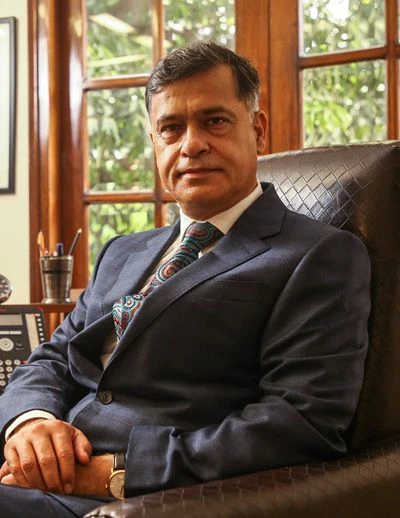

The criminal justice system in India is once again under the spotlight, as the Supreme Court confronts a chronic and troubling problem: long delays in framing charges in criminal trials. Recently, the Court took decisive action by appointing senior advocate Siddharth Luthra as amicus curiae — an independent “friend of the court” — to help chart out pan-India guidelines and ensure statutory timelines under the BNSS are actually enforced.
What Triggered This Intervention?
Under the BNSS, Section 251(b) mandates that when a case is triable exclusively by a Sessions Court, formal charges must be framed within 60 days of the first hearing on the charge. However, in practice, courts across the country have repeatedly missed this deadline. In some cases, charges have not been framed even years after a chargesheet was filed — effectively halting the trial before it even began.
In one case brought before the Court during a bail hearing, the accused had spent nearly two years in jail without formal charges being framed. Responding to such instances, a bench comprising Justices Aravind Kumar and N. V. Anjaria expressed grave concern: “Why take years and years to frame charges? … We want to know what the difficulties are… or we will issue directions for all courts across the country.
Role of Siddharth Luthra as Amicus Curiae
By appointing sidharth luthra case — a respected criminal law practitioner — as amicus curiae, the Supreme Court has underscored the urgency and national significance of this issue. The amicus is tasked with independently reviewing systemic bottlenecks, gathering data across jurisdictions, and helping propose workable guidelines to ensure timely framing of charges.
This approach aims to move beyond isolated bail pleas or sporadic judicial outrage. It seeks structural reform by identifying where delays are occurring — whether due to overburdened trial courts, inadequacies in prosecution or police readiness, administrative lapses, or procedural ambiguities. By seeking concrete data from High Courts and trial courts, the Court hopes to target root causes rather than treat symptoms.
The Stakes: What Delay in Charge Framing Means
The implications of such delays are profound and wide-ranging:
- Undertrial Detention: Individuals remain in judicial custody for months or years without charges, severely compromising the right to a speedy trial.
- Justice Denied to Victims: Delays stall the entire trial process, meaning victims may wait indefinitely for resolution. Evidence may degrade, memories fade, and public confidence in justice erodes.
- Case Backlog & Judicial Overload: Thousands of pending cases accumulate simply because trials cannot commence. This contributes to backlog, clogging courts at every level.
- Violation of Statutory Rights: The BNSS’s 60-day timeline reflects a legislative intent to ensure swift legal processes. Failure to adhere reduces the statute to a “rulebook” rather than enforceable law.
What the Supreme Court Proposes
The Court’s intervention is more than symbolic. Among the steps being considered:
- Issuance of nationwide guidelines to enforce the 60-day charge framing rule uniformly.
- Monitoring mechanisms through High Courts — including data-collection and compliance reports from district and sessions courts.
- Ensuring prompt handling of discharge petitions, if warranted, to avoid unnecessary continuation of cases.
- Addressing procedural and infrastructural gaps — such as backlog, court staffing, case-management systems — that contribute to delays.
What This Means for Stakeholders
For the Accused: Especially undertrials, this could mean a faster start to trials or even relief from prolonged incarceration without formal charges.
For Victims & Complainants: Timely framing of charges will improve the prospects of swift justice, preserving evidence and ensuring legal proceedings begin without undue delay.
For Courts & Judiciary: Reduced backlog, better case flow, and clearer accountability. A uniform guideline will streamline procedures across states and courts.
For Legal & Human-Rights Community: The Supreme Court’s move could mark a significant step toward strengthening procedural fairness and safeguarding constitutional rights.
Broader Implications — Strengthening India’s Criminal Justice
The issue of delayed charge framing is not new — but the current action may mark a turning point. In aligning judicial procedure with legislative mandates under BNSS, the Supreme Court is about to reassert the importance of timely justice. By involving an amicus curiae and seeking to institutionalize best practices, the Court recognizes that sporadic judicial action cannot solve systemic inertia.
If implemented effectively, these reforms can reduce undertrial overcrowding, speed up trial processes, restore faith in the justice system, and prevent procedural lapses that disadvantage both the accused and victims. The Indian criminal justice system may be on the cusp of a significant transformation — one where statutory timelines are respected, and procedural justice becomes more than a promise on paper.
Conclusion
The Supreme Court’s decision to appoint Siddharth Luthra as amicus curiae, and its readiness to issue pan-India guidelines on charge framing under the BNSS, reflects an urgent response to a structural crisis in criminal adjudication. With thousands of cases languishing, individuals in custody for years without formal charges, and courts overwhelmed by pendency — this reform could be the foundation for a more just, efficient and humane legal system.




































Sign in to leave a comment.