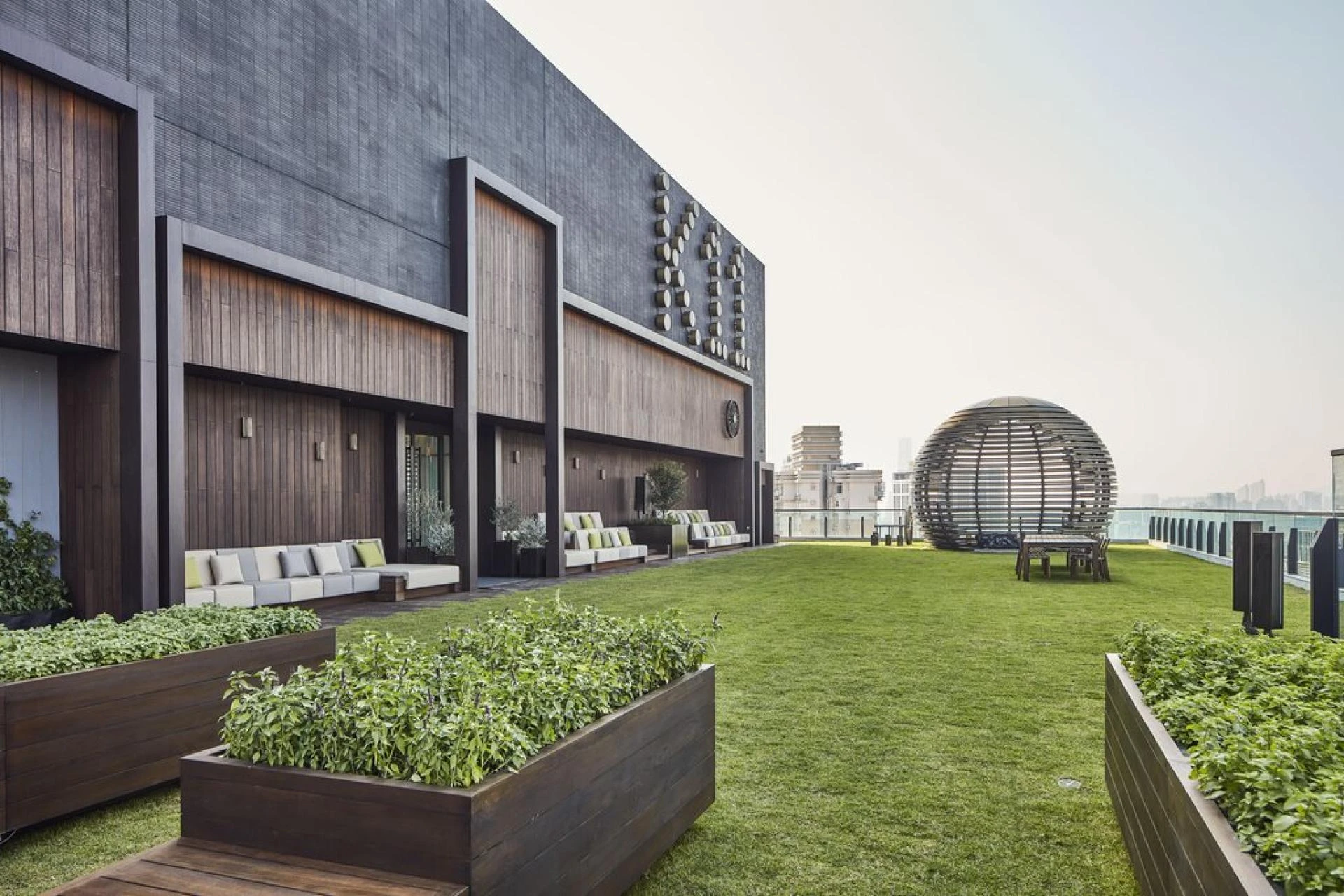

The 21st century is experiencing a transformative shift in the way we live, work, and build. As cities swell and technology evolves, the pressing need for eco-conscious infrastructure becomes impossible to ignore. Enter sustainability building—a construction philosophy and practice focused on environmental responsibility, long-term efficiency, and improved quality of life.
Far from being a fleeting trend, sustainability building has become the gold standard for architects, city planners, governments, and private developers seeking to create resilient, forward-thinking spaces. But what exactly makes a building “sustainable,” and why is it becoming the foundation of modern development?
Defining sustainability building
At its core sustainability building involves designing, constructing, and maintaining structures with minimal environmental impact while maximizing resource efficiency and occupant well-being. Unlike conventional buildings that often rely heavily on fossil fuels and unsustainable materials, sustainable buildings are designed to conserve energy, water, and other natural resources across their lifecycle.
This approach not only mitigates climate change but also aligns with broader environmental, social, and governance (ESG) goals that are increasingly central to business and policy decisions.
Key Components of sustainability building
Sustainability is not a single feature—it is the integration of multiple elements that work in harmony. A building labeled “sustainable” often includes:
1. Eco-Friendly Construction Materials
A significant part of sustainability building is selecting materials that are low in embodied carbon, responsibly sourced, and non-toxic. Examples include:
- Recycled metal and reclaimed wood
- Bamboo flooring and natural insulation
- Low-VOC paints and sealants
- Locally sourced stone or bricks
These materials reduce the carbon footprint and support healthier indoor environments.
2. Energy Efficiency and Renewables
Energy efficiency is arguably the most visible aspect of a sustainable building. This may include:
- Solar panels or wind turbines
- Energy-efficient LED lighting and motion sensors
- Double- or triple-glazed windows for better insulation
- Smart HVAC systems that adapt to usage patterns
When powered by renewable energy, sustainability building becomes a true game-changer in carbon reduction.
3. Water Conservation Strategies
To reduce water usage, sustainability buildings often incorporate:
- Rainwater harvesting systems
- Dual-flush toilets and water-saving fixtures
- Greywater recycling systems for landscape irrigation
- Drought-resistant native plants in landscaping
These systems lower utility costs and ease pressure on local water supplies.
4. Waste Reduction and Recycling
During construction and operation, sustainable buildings prioritize:
- Waste separation and on-site recycling
- Prefabricated components to reduce off-cuts
- Design for disassembly (allowing parts to be reused)
- Composting stations and zero-waste kitchens in office environments
Waste minimization contributes to cleaner cities and healthier ecosystems.
Advantages of Investing in sustainability building
The benefits of sustainability building are far-reaching, impacting owners, occupants, and communities. Here are some of the most impactful:
✅ Cost Savings
Energy-efficient buildings consume less electricity and water, leading to lower utility bills. Smart automation also reduces maintenance costs.
✅ Increased Property Value
Sustainable buildings command higher rent and resale value due to modern features and growing market demand for green living and working spaces.
✅ Regulatory Incentives
In many regions, green buildings benefit from tax rebates, expedited permits, and development bonuses, giving developers a financial edge.
✅ Enhanced Occupant Satisfaction
People working or living in sustainable buildings report higher satisfaction, better mental health, and improved comfort.
✅ Reputation and CSR
Companies based in green buildings gain brand reputation points for aligning with environmental and social responsibility.
Technology Accelerating sustainability building
Modern sustainability building benefits significantly from innovations in construction and building management. Some game-changing technologies include:
- Digital twins for real-time building performance monitoring
- AI and machine learning for predictive energy management
- Modular and 3D printing to reduce waste and labor costs
- Self-healing materials that repair cracks in concrete and plastics
- Glass with solar-generating capabilities
These technologies are not only futuristic—they are available and affordable now, making sustainable construction more scalable than ever.
Urban Planning and sustainability building
It’s not just about single structures. Entire city blocks, campuses, and districts are being designed with sustainability in mind. Urban planners now emphasize:
- Transit-oriented developments to reduce car reliance
- Shared green spaces and rooftop gardens
- Walkable communities
- Mixed-use buildings combining residential, office, and retail
- Resilient infrastructure for flood and heat protection
Together, these approaches create low-emission, high-quality urban living environments.
sustainability building in the Post-Pandemic World
The COVID-19 pandemic reshaped how we perceive buildings. More attention is now given to ventilation, open space, and occupant health. sustainability building has responded by integrating:
- Touchless entry and lighting
- Ultraviolet light sanitation systems
- Enhanced air filtration
- Open-plan workspaces with moveable walls
- Contactless elevators and voice-activated doors
These features make buildings not just green, but safe and adaptable.
Challenges and the Path Ahead
Despite its benefits, sustainability building still faces hurdles:
- Higher upfront costs, although offset by long-term savings
- Knowledge gaps in developing countries or small towns
- Lack of skilled labor familiar with green techniques
- Resistance to change among traditional builders or landlords
However, with increasing climate urgency and rising awareness, these barriers are being addressed through training, subsidies, and community education.
Final Thoughts: Building a Better Future
sustainability building is not just a niche trend or a checkbox for greenwashing. It is a proven, future-ready framework for how we must design the spaces where we live, work, and thrive. It integrates technology, nature, and humanity into the built environment—ensuring we preserve our resources while supporting human well-being.
In an era where the climate crisis and urban growth intersect, choosing sustainable construction is not just responsible—it’s revolutionary. As builders, tenants, investors, and citizens, we all have a role to play in shaping our cities through the lens of sustainability building.
































Sign in to leave a comment.