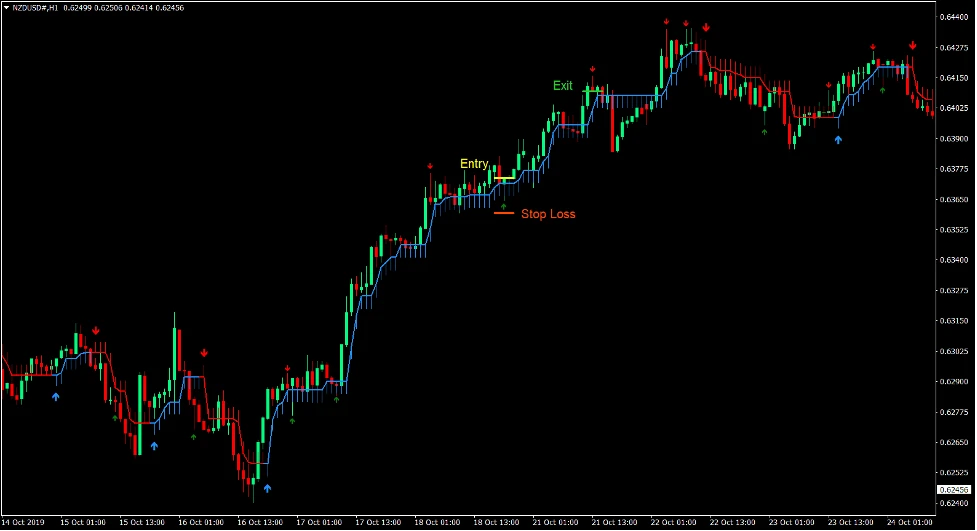

In the world of global finance, few arenas move as fast or with as much influence as the foreign exchange (forex) market. Every second, billions of dollars in currency are traded across the globe. But in recent years, fx trading has evolved beyond traditional currency speculation—it’s become a digital, democratized, and data-driven game that anyone with a laptop or smartphone can join.
The rise of fintech, improved regulatory oversight, and access to powerful trading tools have opened the doors to a new generation of traders. In this article, we explore how the modern fx trading landscape has transformed, who is shaping it, and what strategies and tools are helping traders stay ahead in 2025 and beyond.
What is FX Trading in the Modern Context?
fx trading, or foreign exchange trading, refers to the act of exchanging one currency for another in a global marketplace. Currency pairs like EUR/USD or GBP/JPY are traded with the goal of profiting from price movements.
Traditionally the playground of central banks, multinational corporations, and hedge funds, fx trading is now more accessible than ever. Retail traders around the world can trade 24 hours a day, five days a week, using mobile apps or web-based platforms with just a few clicks.
Unlike stocks or commodities, the forex market is decentralized and operates on an over-the-counter (OTC) basis. This means traders aren’t limited to a central exchange like the NYSE, giving them unparalleled flexibility.
Why More People Are Getting Into FX Trading
🌐 Global Connectivity
Thanks to the internet, global financial news is instantly accessible, and traders can react to economic events in real time. Whether it's an interest rate announcement by the U.S. Federal Reserve or political turmoil in Europe, these events create volatility—and opportunities—for currency traders.
📱 Mobile Accessibility
Modern fx trading platforms like MetaTrader 5, TradingView, and cTrader offer real-time quotes, advanced charting tools, and instant order execution right from your smartphone.
📉 Low Barriers to Entry
Unlike stock markets, which often require large capital, many forex brokers offer micro and nano trading accounts. You can start with as little as $100 and access leverage to control larger positions.
💸 No Central Market
The lack of a central marketplace in forex means that trades are executed directly between parties, ensuring high liquidity and fast execution 24/5.
Key Players in the Modern Forex Market
- Retail Traders
- Everyday individuals who use trading platforms to speculate on currency price changes. Many now employ automated strategies or copy professional traders through social platforms.
- Institutional Investors
- Hedge funds, investment banks, and asset managers use sophisticated algorithms and high-frequency trading systems.
- Commercial Businesses
- Multinational corporations use fx trading to hedge against currency risk from international operations.
- Central Banks
- These entities play a critical role by influencing currency value through interest rate policies and market interventions.
Key Elements of a Winning FX Strategy
Trading success in today’s environment isn’t about luck—it’s about preparation, consistency, and adaptability. Here’s what modern traders rely on:
1. Technical Analysis
Most fx trading strategies include chart-based analysis. Popular tools include:
- Moving Averages
- Relative Strength Index (RSI)
- Bollinger Bands
- Fibonacci Retracements
- MACD (Moving Average Convergence Divergence)
2. Fundamental Analysis
This involves analyzing economic reports and geopolitical events. Key indicators include:
- GDP growth rates
- Central bank interest rate decisions
- Inflation and employment statistics
- Political stability
3. Sentiment Analysis
Understanding trader sentiment through news, social media trends, and positioning data is becoming increasingly important. Tools like IG Client Sentiment or Twitter analysis bots help modern traders gauge market mood.
Risk Management: The Backbone of FX Trading
In fx trading, risk management is more important than entry points. A good strategy protects your capital as much as it aims for profit. Key practices include:
- Stop-Loss Orders: Automatically exit a trade at a predetermined price.
- Risk-to-Reward Ratio: Never risk more than what you aim to gain (common ratio: 1:2 or 1:3).
- Position Sizing: Avoid over-leveraging by calculating trade sizes based on account balance and risk tolerance.
- Diversification: Trade different pairs or strategies to avoid overexposure.
The Rise of Automation and AI in FX Trading
Automation is no longer a niche feature—it's a core element of many fx trading systems today.
🧠 Expert Advisors (EAs)
These are bots created using scripts on platforms like MetaTrader. They can automatically open, modify, and close trades based on pre-set rules.
📈 Algorithmic Trading
Many retail traders now code or purchase algorithmic strategies that run 24/5, scanning hundreds of price patterns and executing high-frequency trades.
🤖 AI & Machine Learning
AI-driven models are used to process large datasets, spot patterns, and make real-time decisions. These technologies are increasingly used in trend forecasting and sentiment analysis.
Conclusion
The modern landscape of fx trading is more diverse, data-driven, and dynamic than ever before. With the right mix of education, strategy, and discipline, anyone—from a university student to a corporate executive—can participate in the forex market.
Gone are the days when trading was limited to Wall Street professionals. Today, smart tools, mobile platforms, and global connectivity have leveled the playing field. But success doesn’t come from luck—it comes from learning, practice, and calculated execution.
Whether you’re a short-term scalper, a swing trader, or an algorithmic strategist, the opportunities in fx trading are vast—but only for those who treat it as a serious business, not a gamble.











Sign in to leave a comment.