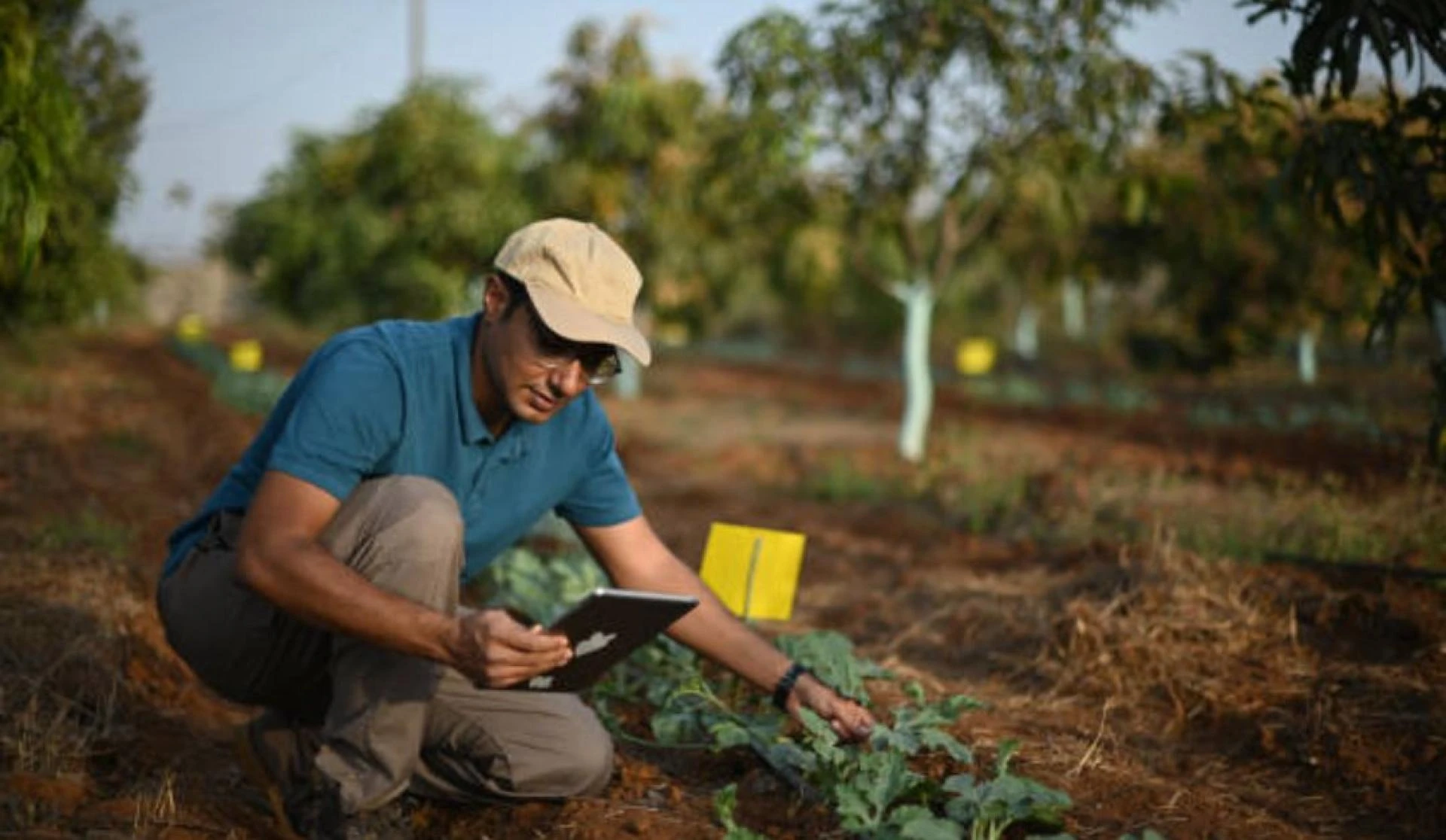

In recent years, the global spotlight has shifted toward sustainable farming practices as a solution to the growing challenges in agriculture. Farmers, researchers, and policymakers alike recognize the importance of preserving the environment while meeting the food demands of an expanding population. With proactive agro insights and adaptive data architecture, the agriculture industry is paving the way for a greener and more sustainable future.
What Are Sustainable Farming Practices?
Sustainable farming practices are methods of agriculture that aim to meet today’s food needs without compromising the ability of future generations to meet theirs. These practices focus on protecting natural resources, minimizing environmental impact, and promoting long-term productivity. Unlike conventional farming, which often prioritizes high yields at the expense of the environment, sustainable farming balances ecological health with economic growth.
Key principles of sustainable farming include:
- Conserving water and soil health
- Reducing chemical usage
- Promoting biodiversity
- Using renewable energy sources
The Importance of Sustainable Farming
Agriculture is the backbone of our food system, but traditional farming methods have contributed to soil erosion, water scarcity, and climate change. Sustainable farming practices address these challenges by:
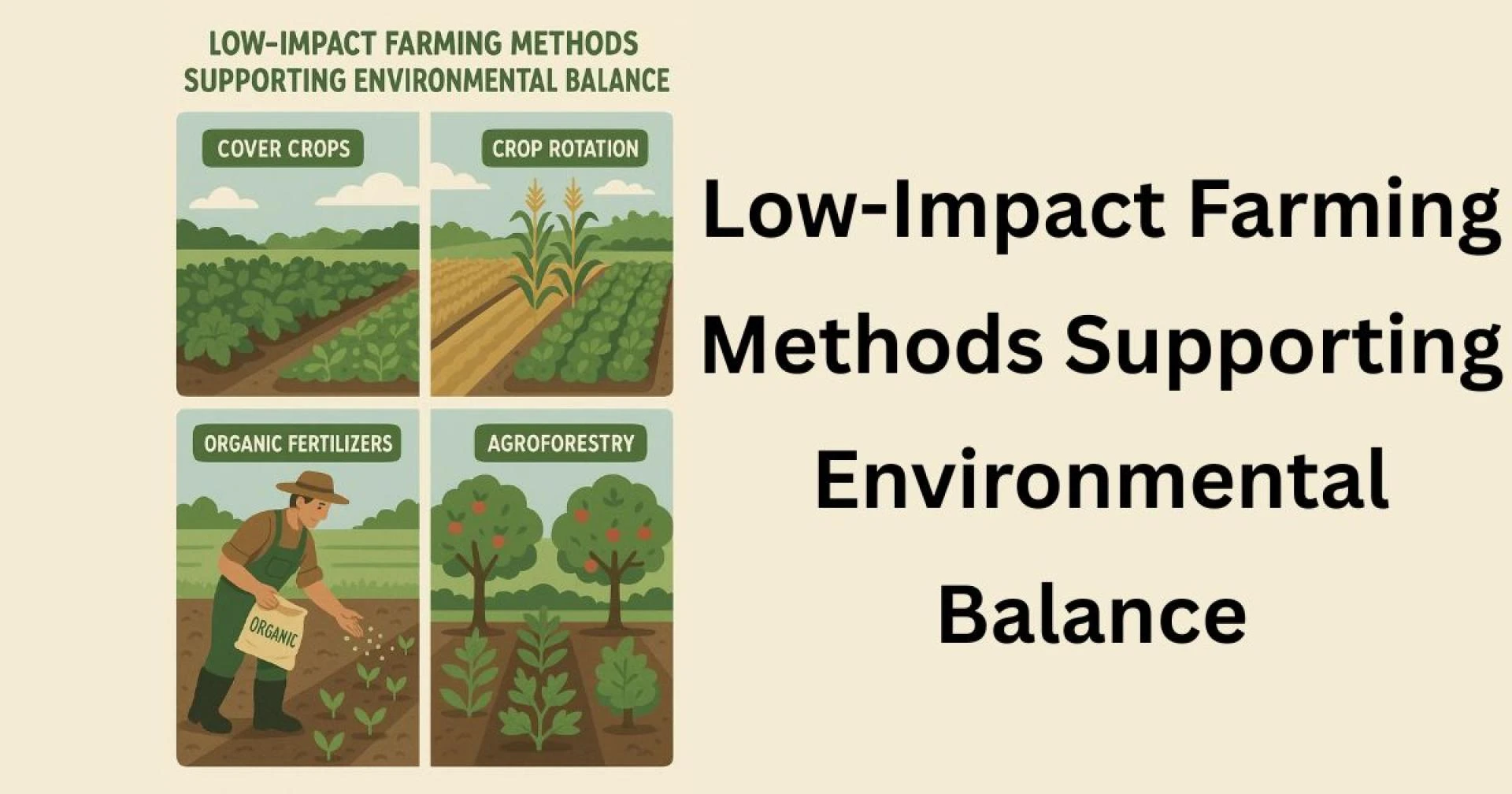
- Preserving Natural Resources: Techniques like crop rotation and cover cropping help maintain soil fertility and prevent erosion.
- Reducing Pollution: Using organic fertilizers and integrated pest management reduces the reliance on harmful chemicals.
- Promoting Resilience: Adaptive data architecture helps farmers analyze real-time information, enabling proactive decisions during adverse conditions such as droughts or floods.
- Mitigating Climate Change: Sustainable practices reduce greenhouse gas emissions and increase carbon sequestration in the soil.
Proactive Agro Insights: Empowering Farmers
Proactive agro insights are essential for modern farming. By leveraging technology, farmers can gain valuable information about their crops, soil, and weather conditions. For instance, drones and sensors provide real-time data that helps farmers:
- Monitor crop health
- Optimize water usage
- Detect pest infestations early
This proactive approach not only improves farm productivity but also ensures that resources are used efficiently, contributing to sustainability. By adopting these insights, farmers can make informed decisions that align with sustainable farming practices.
Adaptive Data Architecture: The Future of Agriculture
Incorporating adaptive data architecture into agriculture is revolutionizing the way farms operate. This technology collects, analyzes, and interprets vast amounts of data, providing actionable insights. With this system, farmers can adapt to changing conditions and ensure optimal yields while minimizing environmental impact.
For example, adaptive data architecture can:
- Predict weather patterns to guide planting and harvesting schedules
- Analyze soil conditions to recommend the best crop varieties
- Track resource usage to prevent waste
By integrating this technology, sustainable farming practices become more precise and effective, making agriculture smarter and greener.
Examples of Sustainable Farming Practices
Here are some effective sustainable farming methods that are transforming agriculture:
- Crop Rotation: Alternating crops in a specific order prevents soil depletion and reduces the risk of pests and diseases.
- Agroforestry: Planting trees alongside crops creates a balanced ecosystem, improving biodiversity and protecting soil.
- Organic Farming: Avoiding synthetic fertilizers and pesticides ensures healthier produce and less environmental harm.
- Drip Irrigation: Delivering water directly to plant roots conserves water and prevents runoff.
- Composting: Recycling organic waste into nutrient-rich fertilizer enhances soil health and reduces landfill waste.
Benefits of Sustainable Farming
Sustainable farming practices offer numerous advantages for farmers, consumers, and the planet:
- Healthier Food: Reducing chemical usage leads to fresher, healthier produce.
- Lower Costs: Practices like composting and drip irrigation reduce expenses on fertilizers and water.
- Environmental Protection: Protecting soil, water, and biodiversity ensures a balanced ecosystem.
- Economic Stability: Long-term productivity guarantees steady income for farmers.
Overcoming Challenges in Sustainable Farming
Transitioning to sustainable farming is not without challenges. Farmers may face initial costs, a lack of technical knowledge, or resistance to change. However, solutions such as government subsidies, training programs, and access to technology like adaptive data architecture can ease the transition.
Additionally, collaboration between stakeholders—farmers, researchers, and policymakers—is crucial to address these challenges. By working together, we can create a supportive environment for sustainable farming practices to thrive.
The Role of Consumers in Supporting Sustainable Agriculture
Consumers play a vital role in encouraging sustainable farming. By choosing products grown through eco-friendly practices, they create a demand for sustainable agriculture. Look for certifications like organic, fair trade, or Rainforest Alliance when shopping. Supporting local farmers and reducing food waste are also excellent ways to contribute.
A Greener Future with Sustainable Farming
Sustainable farming practices are more than just a trend; they are a necessity for the future of agriculture. With the integration of proactive agro insights and adaptive data architecture, the agriculture industry is better equipped to tackle environmental challenges and ensure food security.
By embracing these practices, farmers can protect the planet while ensuring a stable food supply for generations to come. Together, let’s support sustainable agriculture and take a step toward a greener, healthier world.










Sign in to leave a comment.