
If you’re renovating your home, it’s important to be eco-conscious as the world is currently striving to be more sustainable in the hope of reducing its carbon footprint. The smallest changes to your home can help make a big difference, such as actively recycling, renewable energy inclusions and incorporating more plants. This guide will touch on some of the sustainable home additions that you can put onto your own to create a healthy and eco-friendly home for you and your family to live in.
Whether you’re in the process of designing your dream home or are looking to become more eco-conscious, this guide will help you make those final decisions. Continue reading for more information.
Eco-Friendly Home Renovation Ideas
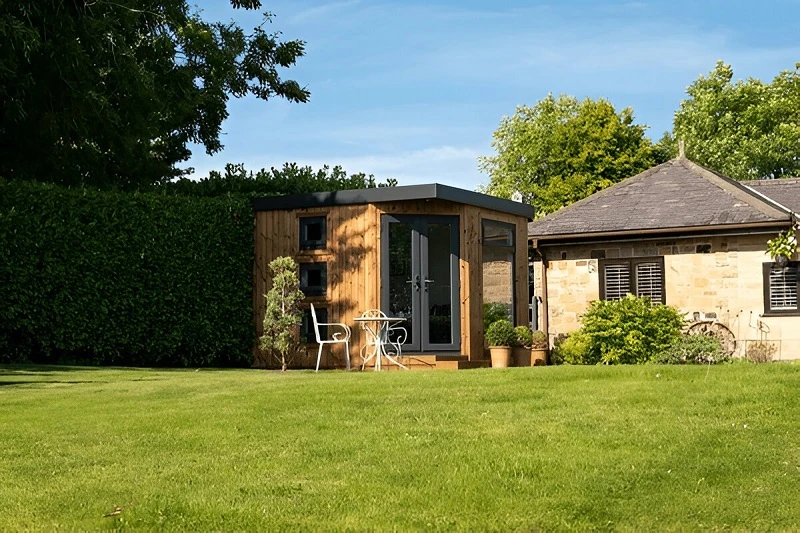
Conservatory
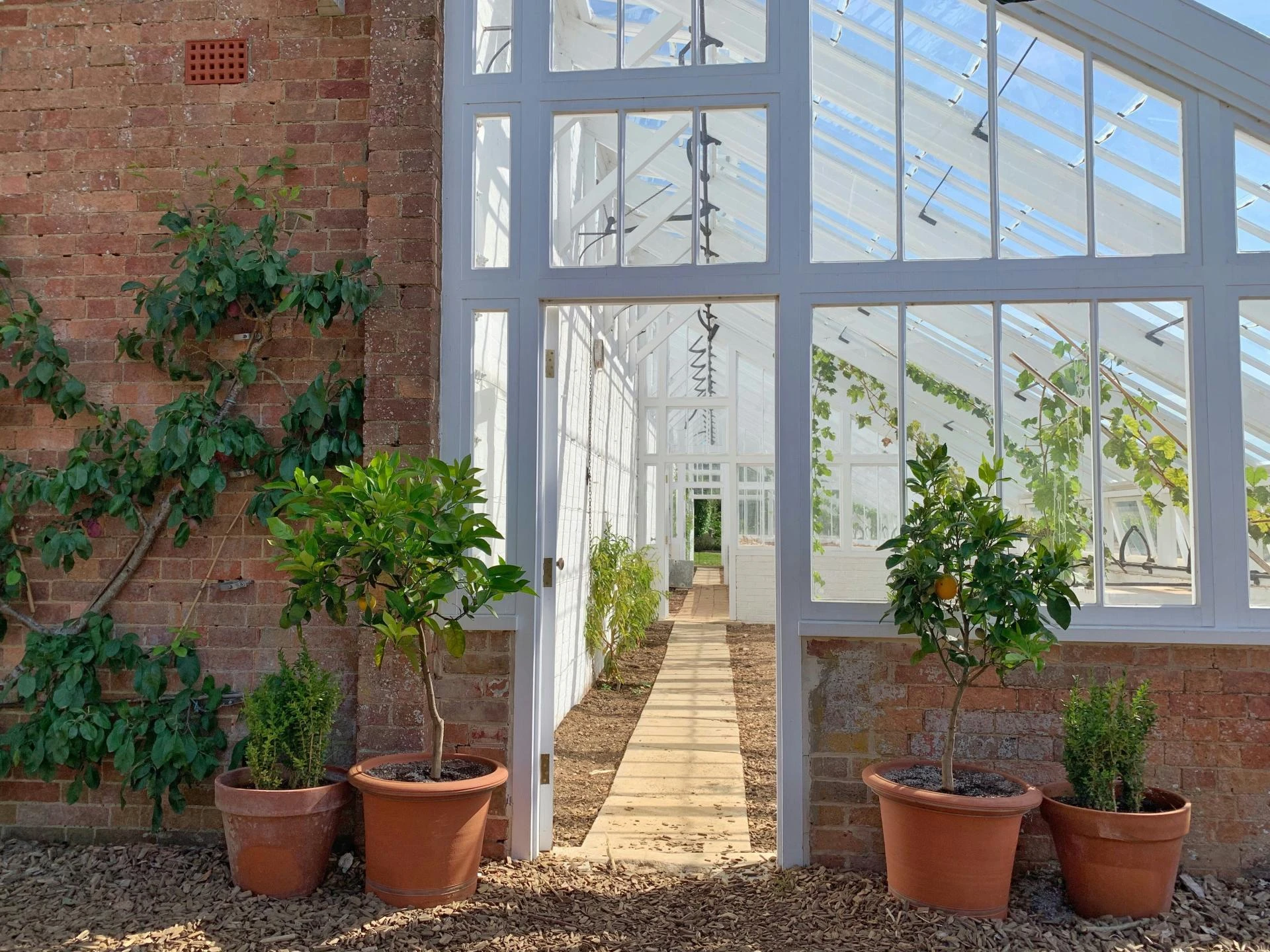
A conservatory can be considered an eco-friendly addition to your home, as it allows for significant natural light intake, reducing the need for artificial lighting. When built with energy-efficient materials and design, it can minimise heating requirements, which leads to lower energy consumption and a smaller carbon footprint. Conservatory roof insulation can make it even more sustainable, as it can help reduce heat loss and improve energy efficiency.
Cavity Wall
Cavity wall insulation is the process of applying insulating material to the space between the outer and interior layers of external walls. This enhances energy efficiency and stops heat loss, which means you will have to use less gas and electricity in your home to heat it up. Sheep's wool, mineral wool (produced from recycled rock or glass) and polyisocyanurate boards are examples of sustainable materials that can be used to create a cavity wall. These environmentally friendly options lower your home's carbon impact while offering efficient insulation.
Windows
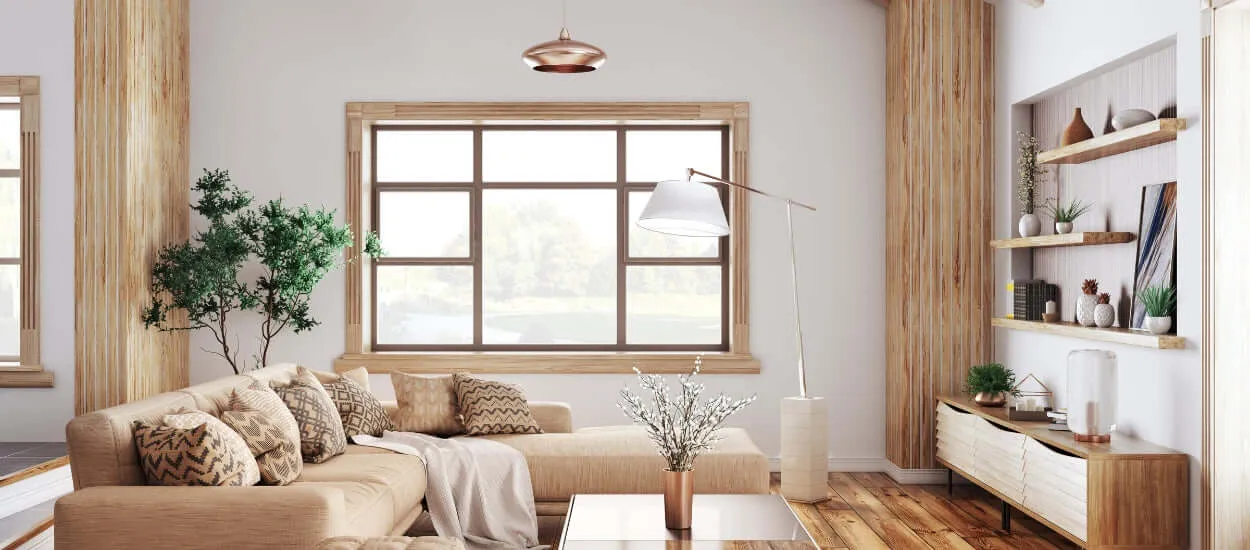
Having more windows installed around your home can be a very eco-friendly option for your home renovation, as it allows more natural light to get around your home. This will result in less energy consumption due to you not having to turn on any lights around your home during the day time. Window glass is naturally sustainable, as it’s made from readily available materials like sand, limestone and soda ash. It is also highly recyclable, so you won’t need to create extra waste if you replace your windows.
Solar Panels
Solar panels do not emit air pollution or greenhouse gases when in operation, which makes them the perfect addition to the home when trying to reduce your carbon footprint. Solar energy is great, as it can have a positive, indirect impact on the environment when it replaces or reduces the usage of other energy sources with greater environmental impact. You can place these on the roof of the house and use them to power your entire home.
Natural Materials
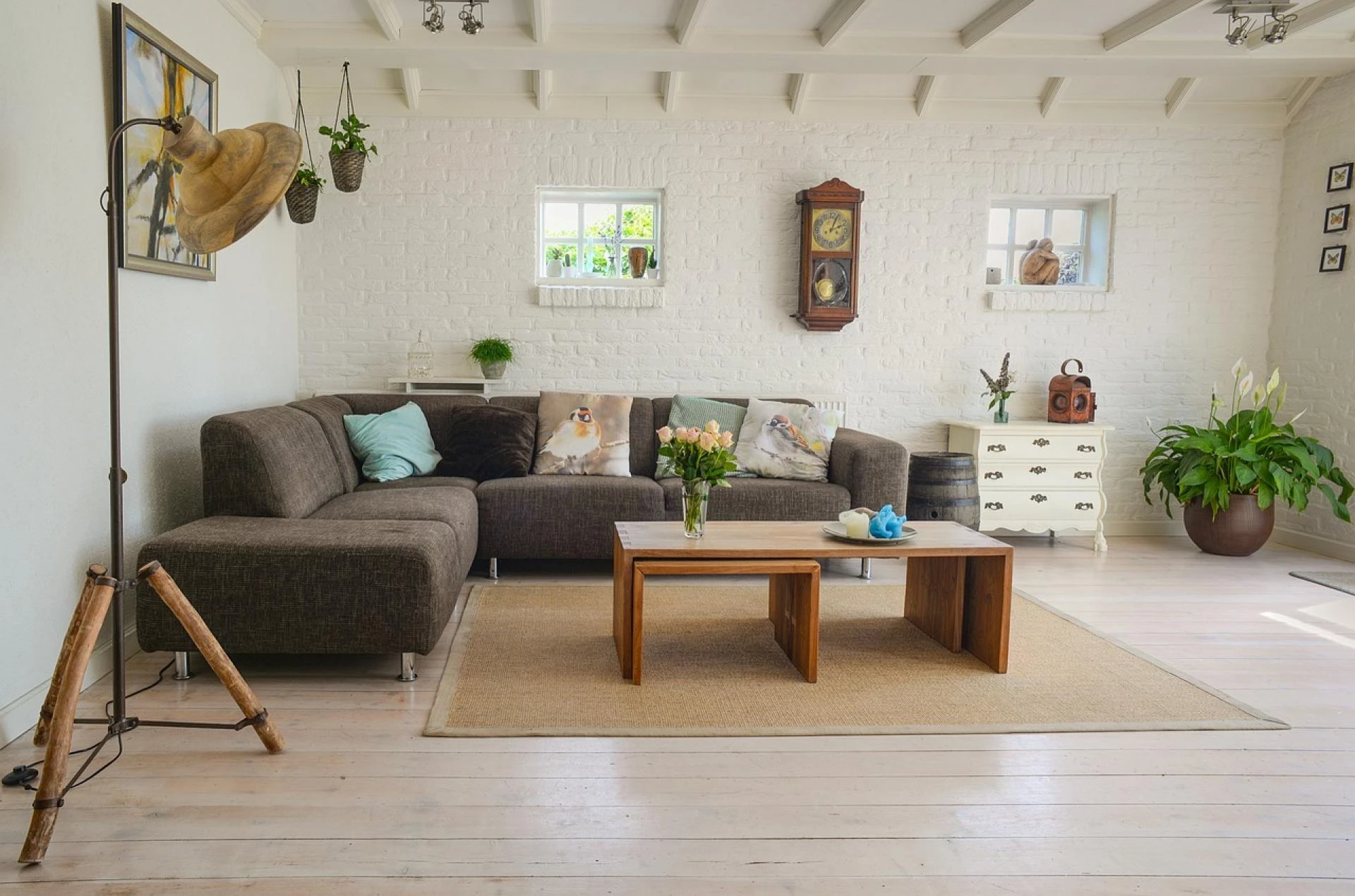
You can switch out pieces of furniture in your home that aren’t eco-friendly for some made out of natural materials. Bamboo, wood, cork, stone and hemp that have all been naturally sourced can be used around the home to be more eco-conscious.






















Sign in to leave a comment.