
Table of Contents:
1. Introduction
2. The Importance of Sustainable Interior Design
3. Eco-Friendly Materials in Interior Design
3.1. Recycled and Reclaimed Materials
3.2. Natural and Organic Materials
3.3. Low VOC Paints and Finishes
4. Energy-Efficient Lighting and Appliances
5. Water Conservation Strategies
6. Indoor Air Quality and Health
7. Biophilic Design and Connection with Nature
8. Waste Management and Recycling
9. Sustainable Furnishings and Furniture
10. Designing for Flexibility and Longevity
11. Case Studies: Successful Examples of Sustainable Interior Design
12. Conclusion
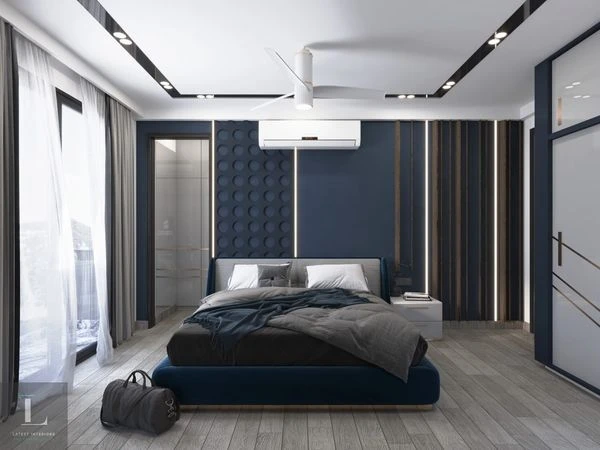
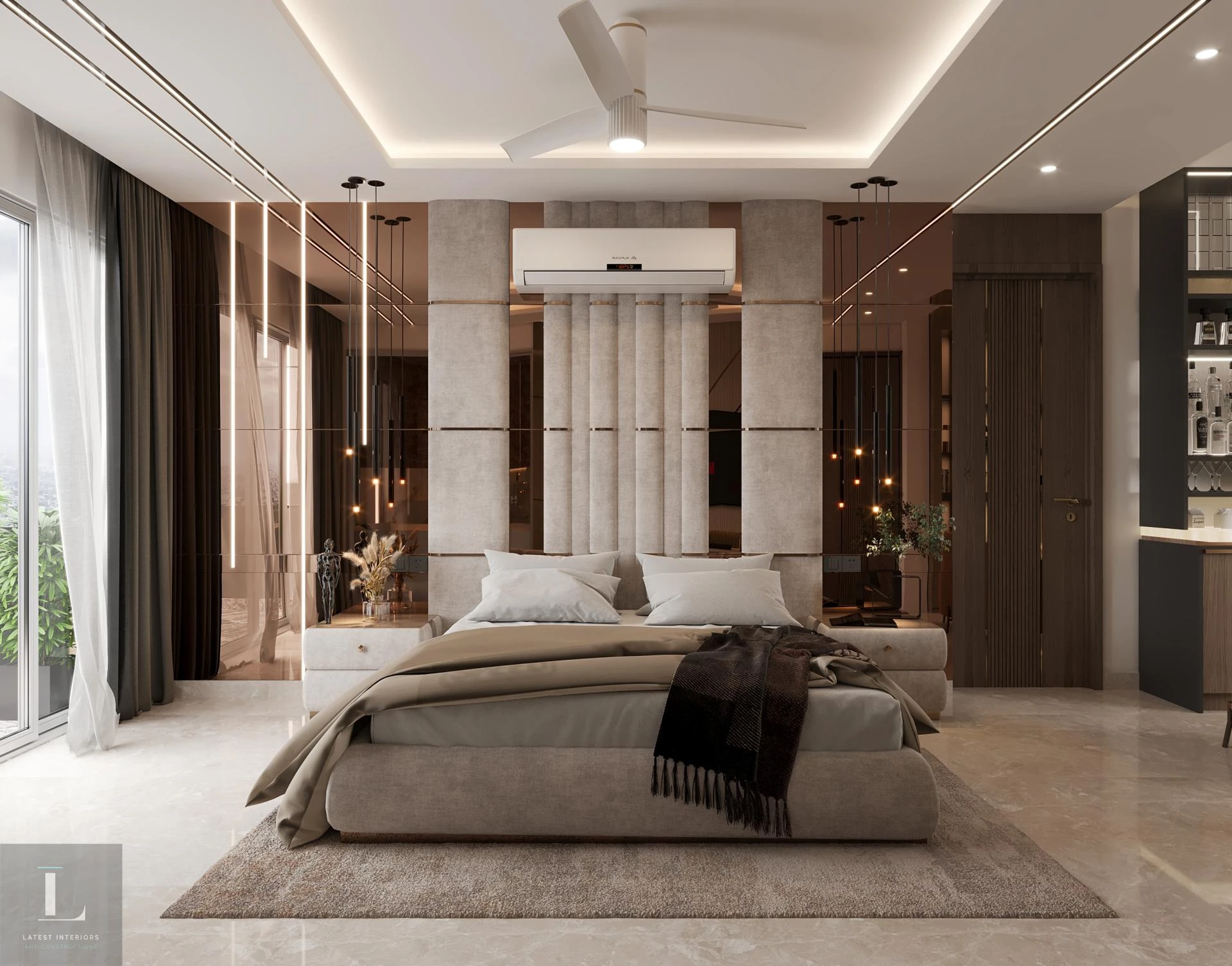
Introduction Sustainable interior design has gained significant attention in recent years as the importance of environmental conservation and eco-consciousness has grown. Interior designers in Delhi play a crucial role in shaping the spaces we live, work, and play in. By incorporating eco-friendly practices and materials into their designs, these professionals can make a positive impact on the environment. This blog explores how interior designers are embracing sustainable practices to create environmentally conscious spaces that are both aesthetically pleasing and eco-friendly.The Importance of Sustainable Interior Design Sustainable interior design goes beyond aesthetics and focuses on minimizing negative environmental impacts while promoting a healthy and comfortable living environment. By adopting sustainable practices, interior designers can reduce waste, conserve energy and water, improve indoor air quality, and minimize the use of harmful chemicals. These efforts contribute to the overall well-being of the occupants and support a more sustainable future.Eco-Friendly Materials in Interior Design Using eco-friendly materials is a fundamental aspect of sustainable interior design. Here are some popular options:3.1. Recycled and Reclaimed Materials Designers are increasingly incorporating recycled and reclaimed materials into their projects. These materials, such as reclaimed wood, salvaged metal, and recycled glass, reduce the demand for new resources and give a second life to materials that would otherwise end up in landfills.
3.2. Natural and Organic Materials Natural and organic materials, like bamboo, cork, and jute, have gained popularity due to their sustainability and renewable nature. These materials are often used for flooring, furniture, and textiles, as they have minimal environmental impact and provide a healthier indoor environment.
3.3. Low VOC Paints and Finishes Traditional paints and finishes contain volatile organic compounds (VOCs), which release harmful chemicals into the air. Low VOC paints and finishes are a safer alternative that reduces indoor air pollution and promotes better respiratory health.
Energy-Efficient Lighting and Appliances Interior designers are increasingly incorporating energy-efficient lighting solutions, such as LED bulbs, into their designs. These lighting options consume less energy, have longer lifespans, and provide better illumination. Additionally, designers are selecting energy-efficient appliances that reduce electricity consumption, contributing to overall energy conservation.Water Conservation Strategies Water scarcity is a pressing global issue, and interior designers can contribute to water conservation efforts. By specifying low-flow fixtures, efficient irrigation systems, and water-saving appliances, designers help reduce water consumption and promote sustainable water management practices.Indoor Air Quality and Health Indoor air quality has a significant impact on occupant health and well-being. Sustainable interior designers focus on selecting materials and finishes that have low or no emissions of harmful chemicals. Proper ventilation systems are also integrated to ensure fresh air circulation, creating healthier and more comfortable indoor environments.Biophilic Design and Connection with Nature Biophilic design aims to connect people with nature through incorporating natural elements into interior spaces. It involves incorporating elements like natural light, greenery, and views of nature. By bringing the outdoors inside, interior designers create spaces that promote well-being, reduce stress, and increase productivity.Waste Management and Recycling Sustainable interior designers prioritize waste management and recycling strategies. They explore options for recycling and repurposing construction waste, specify materials with a low environmental impact, and encourage clients to embrace recycling practices within their spaces. These efforts reduce landfill waste and promote a circular economy.Sustainable Furnishings and Furniture Choosing sustainable furnishings and furniture is essential in sustainable interior design. Designers look for products made from responsibly sourced materials, such as certified wood or recycled materials. They also consider factors like durability, repairability, and end-of-life options to minimize waste and maximize the lifespan of furniture pieces.Designing for Flexibility and Longevity Sustainable interior designers focus on creating spaces that can adapt and evolve with changing needs, reducing the need for frequent renovations. By designing for flexibility and longevity, designers reduce waste associated with constant remodeling and encourage a more sustainable approach to interior design.Case Studies: Successful Examples of Sustainable Interior Design This section highlights a few real-world examples of sustainable interior design projects. It explores how designers incorporated eco-friendly practices, materials, and innovative solutions to create spaces that are both sustainable and visually appealing. These case studies demonstrate the possibilities and potential impact of sustainable interior design.Conclusion: Sustainable interior design is a powerful tool for reducing environmental impacts, promoting well-being, and creating visually stunning spaces. Interior designers in Noida have the ability to make a positive difference by adopting eco-friendly practices, utilizing sustainable materials, and prioritizing the health and comfort of occupants. By embracing sustainable design principles, we can create a more sustainable future where the spaces we inhabit contribute to a healthier planet.

























Sign in to leave a comment.