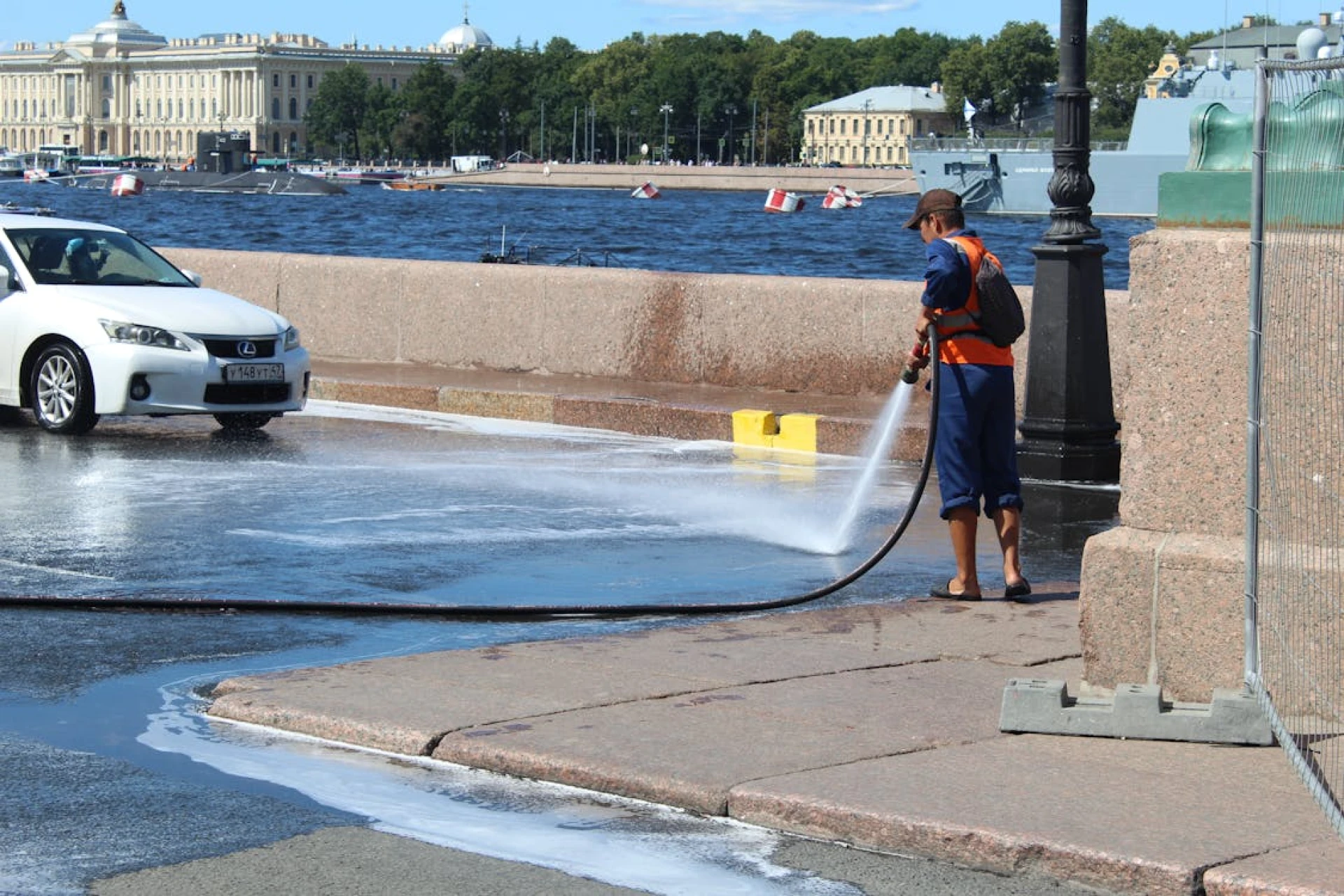

Rapid urban development, population growth, and expanding infrastructure across the UAE have increased the demand for structured environmental and facilities management solutions. Organizations today require service providers that can manage waste responsibly, maintain public and private spaces, and support sustainability goals while complying with regulatory frameworks. Imdaad operates in this space by delivering integrated environmental and facilities services that address these evolving needs across multiple sectors.
Established with a focus on environmental services, Imdaad has expanded its operations to support municipalities, industrial zones, commercial properties, residential communities, and large-scale infrastructure projects. Its service framework emphasizes operational efficiency, environmental compliance, and long-term asset protection.
Waste Management as a Core Environmental Function
Effective waste handling is a critical component of urban sustainability. Poorly managed waste can result in environmental degradation, health risks, and regulatory violations. Imdaad provides structured Waste Management Services designed to handle different waste streams safely and efficiently, aligning with UAE environmental regulations and international best practices.
Types of Waste Managed
Imdaad’s waste management operations cover a wide range of waste categories, including:
- Municipal solid waste generated from residential communities, offices, and public spaces
- Commercial and industrial waste, including packaging, production by-products, and general refuse
- Construction and demolition waste, which requires segregation and controlled disposal
- Biomedical waste from hospitals, clinics, and laboratories
- Hazardous and liquid waste, handled using specialized equipment and approved treatment methods
Each waste stream requires a specific handling process, from collection and transportation to treatment and final disposal. Segregation at source, scheduled collections, and controlled disposal methods are essential to reduce environmental impact and improve recycling outcomes.
Recycling and Resource Recovery
A key element of modern waste management is diverting waste away from landfills. Imdaad supports recycling initiatives by sorting recoverable materials such as paper, plastics, metals, and glass. These processes contribute to circular economy objectives by allowing materials to re-enter production cycles instead of becoming environmental liabilities.
Cleaning Services for Urban and Industrial Environments
Clean environments are essential for public health, safety, and quality of life. Urban cleaning is no longer limited to basic janitorial work; it requires mechanized systems, trained manpower, and structured planning. As a large-scale cleaning company Dubai, Imdaad supports diverse cleaning requirements across public and private environments.
Infrastructure and Public Area Cleaning
Urban infrastructure such as roads, pavements, parking areas, and industrial zones accumulates dust, debris, and waste due to traffic and daily use. Cleaning these areas requires mechanical sweepers, water tankers, and scheduled maintenance programs. Regular infrastructure cleaning helps prevent dust pollution, improves road safety, and supports overall city hygiene.
Community and Residential Cleaning
Residential communities require consistent cleaning of common areas, walkways, landscaped zones, and waste collection points. Structured cleaning schedules and trained staff help maintain hygiene standards and reduce pest-related issues. These services are especially important in high-density housing developments where shared spaces are heavily used.
Industrial Cleaning Operations
Industrial cleaning involves managing waste residues, spillages, and debris generated during manufacturing or logistics operations. These environments often require specialized equipment and adherence to safety protocols. Proper industrial cleaning reduces operational risks and supports compliance with occupational health and environmental regulations.
Specialized Lake and Water Body Cleaning Services
Artificial lakes, retention ponds, and decorative water bodies are common features in modern urban developments. While these water bodies enhance aesthetics and support micro-ecosystems, they also require regular maintenance to prevent stagnation, pollution, and sediment buildup. Imdaad operates as a specialized Lake Cleaning Company, providing services designed to preserve water quality and functionality.
Common Challenges in Urban Lakes
Urban water bodies face several challenges, including:
- Accumulation of silt and organic matter
- Algae growth due to nutrient overload
- Floating debris and waste
- Reduced water circulation
- Odour and water discoloration
If left unmanaged, these issues can negatively affect surrounding environments and reduce the lifespan of water features.
Lake Cleaning and Maintenance Processes
Lake cleaning typically involves a combination of technical and environmental processes, such as:
- Lake profiling, which assesses depth, sediment levels, and contamination
- Dredging, used to remove accumulated silt and sludge from the lake bed
- Debris removal, including floating waste and organic matter
- Sludge handling and disposal, carried out using approved environmental methods
These activities help restore water clarity, improve oxygen levels, and maintain ecological balance within artificial and natural lakes.
Environmental Compliance and Regulatory Alignment
Environmental services in the UAE operate under strict regulatory oversight. Waste transportation, disposal, and treatment must comply with guidelines issued by local authorities and environmental agencies. Imdaad structures its operations to meet these requirements through documented procedures, trained personnel, and audited processes.
Compliance is not limited to waste handling alone. Cleaning operations, water body maintenance, and industrial services must also follow safety, environmental, and quality standards. This systematic approach reduces environmental risk and supports long-term sustainability goals at the organizational and community levels.
Integration with Facilities Management
Environmental services are most effective when integrated with broader facilities management strategies. Waste handling, cleaning, and environmental maintenance directly impact asset performance, operational continuity, and occupant satisfaction. By aligning environmental services with facilities management frameworks, organizations can achieve better coordination and cost efficiency.
Integrated service delivery allows for:
- Centralized planning and reporting
- Reduced service overlap
- Improved response times
- Consistent quality standards across sites
This approach is particularly valuable for large developments, industrial zones, and multi-site operations.
Role of Technology and Data in Environmental Services
Technology plays an increasing role in environmental management. Route optimization for waste collection, mechanized cleaning equipment, and monitoring tools help improve efficiency and reduce resource consumption. Data-driven insights allow service providers to analyze waste generation patterns, improve recycling rates, and optimize cleaning schedules.
These advancements contribute to reduced fuel usage, lower emissions, and improved service reliability. As cities move toward smart infrastructure models, data-supported environmental services become essential components of urban planning.
Supporting Sustainable Urban Development
Sustainability is a long-term objective that requires consistent environmental management practices. Proper waste segregation, responsible disposal, regular cleaning, and water body maintenance collectively support cleaner cities and healthier communities. Environmental services also play a role in supporting national sustainability initiatives by reducing landfill dependency and protecting natural resources.
By addressing waste, cleanliness, and environmental preservation together, integrated service models help cities balance growth with environmental responsibility.
Conclusion
Environmental and facilities services are fundamental to the functioning of modern cities and industrial ecosystems. From structured waste management services to large-scale urban cleaning and specialized solutions delivered by a lake cleaning company, these operations ensure that infrastructure remains safe, compliant, and sustainable.
As a full-scale Cleaning Company Dubai, Imdaad operates across multiple environmental service domains, supporting residential, commercial, industrial, and public sector requirements. Through systematic processes, regulatory compliance, and integrated service delivery, environmental management becomes a structured function rather than a reactive task—contributing to long-term urban resilience and environmental protection.



























Sign in to leave a comment.