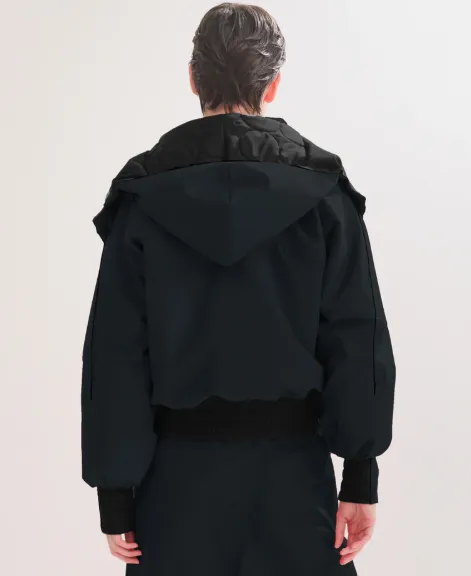

As environmental awareness continues to grow, consumers are becoming more mindful of their fashion choices. One area gaining significant attention is sustainable rainwear, which combines functionality with eco-conscious design. In a world facing climate challenges, switching to sustainable clothing is no longer just a trend—it’s a necessity.
This guest post explores how sustainable rainwear contributes to eco-friendly living and why it’s an essential addition to modern wardrobes.
What Is Sustainable Rainwear?
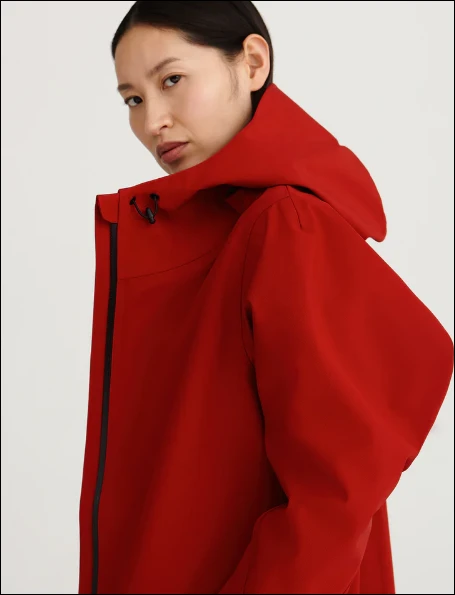
Sustainable rainwear refers to rainproof clothing made using environmentally friendly materials and ethical production processes. Unlike conventional rainwear, which often relies on harmful chemicals and non-recyclable materials, sustainable options focus on reducing environmental impact.
Key elements include:
- Use of recycled or organic fabrics
- Non-toxic waterproof coatings
- Ethical manufacturing practices
- Long-lasting durability
These features ensure that your rainwear not only protects you from the elements but also supports a healthier planet.
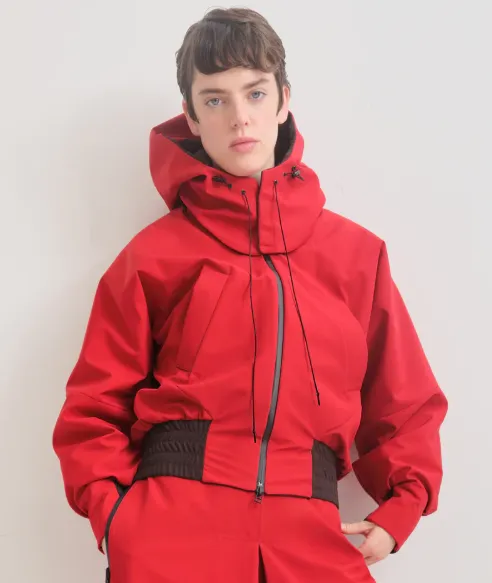
Why Sustainable Rain Wear Matters
The fashion industry is one of the largest contributors to pollution. Traditional rainwear often uses synthetic materials that take years to decompose and release harmful substances into the environment.
Choosing sustainable rain wear helps:
- Reduce waste and pollution
- Lower carbon footprint
- Support ethical labor practices
- Promote responsible consumption
By making conscious choices, individuals can play a role in protecting the environment.
Materials That Make a Difference
Sustainable rainwear is built on innovative materials that balance performance and eco-friendliness. Some common options include:
- Recycled polyester made from plastic bottles
- Organic cotton blends for natural comfort
- PFC-free coatings that avoid harmful chemicals
- Biodegradable fabrics for reduced environmental impact
These materials ensure that rainwear remains waterproof and breathable while minimizing harm to the planet.
The Role of Design and Durability
One of the key principles of sustainability is longevity. High-quality rainwear is designed to last for years, reducing the need for frequent replacements.
Modern designs focus on:
- Minimalist aesthetics for timeless appeal
- Lightweight and breathable construction
- Multi-functional use for different weather conditions
Brands like BYBROWN emphasize durability and thoughtful design, ensuring that their products remain relevant and functional over time.
How Sustainable Rain Wear Supports Eco-Friendly Living
Adopting sustainable rainwear is a simple yet impactful step towards a greener lifestyle. It encourages mindful consumption and reduces reliance on fast fashion.
Here’s how it contributes:
- Less waste: Durable products last longer
- Lower emissions: Eco-friendly production methods reduce carbon output
- Better resource use: Recycled materials minimize raw material consumption
By choosing brands like BYBROWN, consumers can support companies that prioritize sustainability without compromising on style or performance.
Tips for Choosing Sustainable Rain Wear
If you’re considering making the switch, here are some practical tips:
- Look for certifications such as GRS or OEKO-TEX
- Check the materials used in the product
- Prioritize durability over low cost
- Choose versatile designs that suit multiple occasions
- Research the brand’s sustainability practices
These steps can help you make informed decisions and maximize the benefits of your purchase.
Challenges and Opportunities
While sustainable rainwear offers many benefits, it also comes with challenges such as higher initial costs and limited availability. However, as demand increases, more brands are entering the market and making eco-friendly options accessible.
This creates opportunities for innovation and growth in the industry.
The Future of Sustainable Rainwear
The future of sustainable rain wear looks promising, with advancements in materials and production techniques. From biodegradable fabrics to smart waterproof technologies, the industry is evolving rapidly.
As consumers continue to prioritize sustainability, brands will need to adapt and innovate to stay relevant.
Conclusion
Switching to sustainable rain wear is a meaningful step towards eco-friendly living. It allows you to stay protected from the elements while supporting responsible fashion practices.
BYBROWN is leading the way by offering high-quality, sustainable options that combine style, comfort, and performance. By making conscious choices, we can all contribute to a more sustainable future.
Frequently Asked Questions
1. What is sustainable rain wear?
It is rainwear made using eco-friendly materials and ethical production methods.
2. Is sustainable rainwear waterproof?
Yes, it uses advanced technologies to provide effective waterproof protection.
3. Are sustainable raincoats durable?
They are designed to last longer, reducing the need for frequent replacements.
4. Why is sustainable rainwear more expensive?
Higher costs are due to better materials and ethical production practices.
5. How can I identify sustainable rainwear?
Look for certifications, materials used, and brand transparency.


























Sign in to leave a comment.