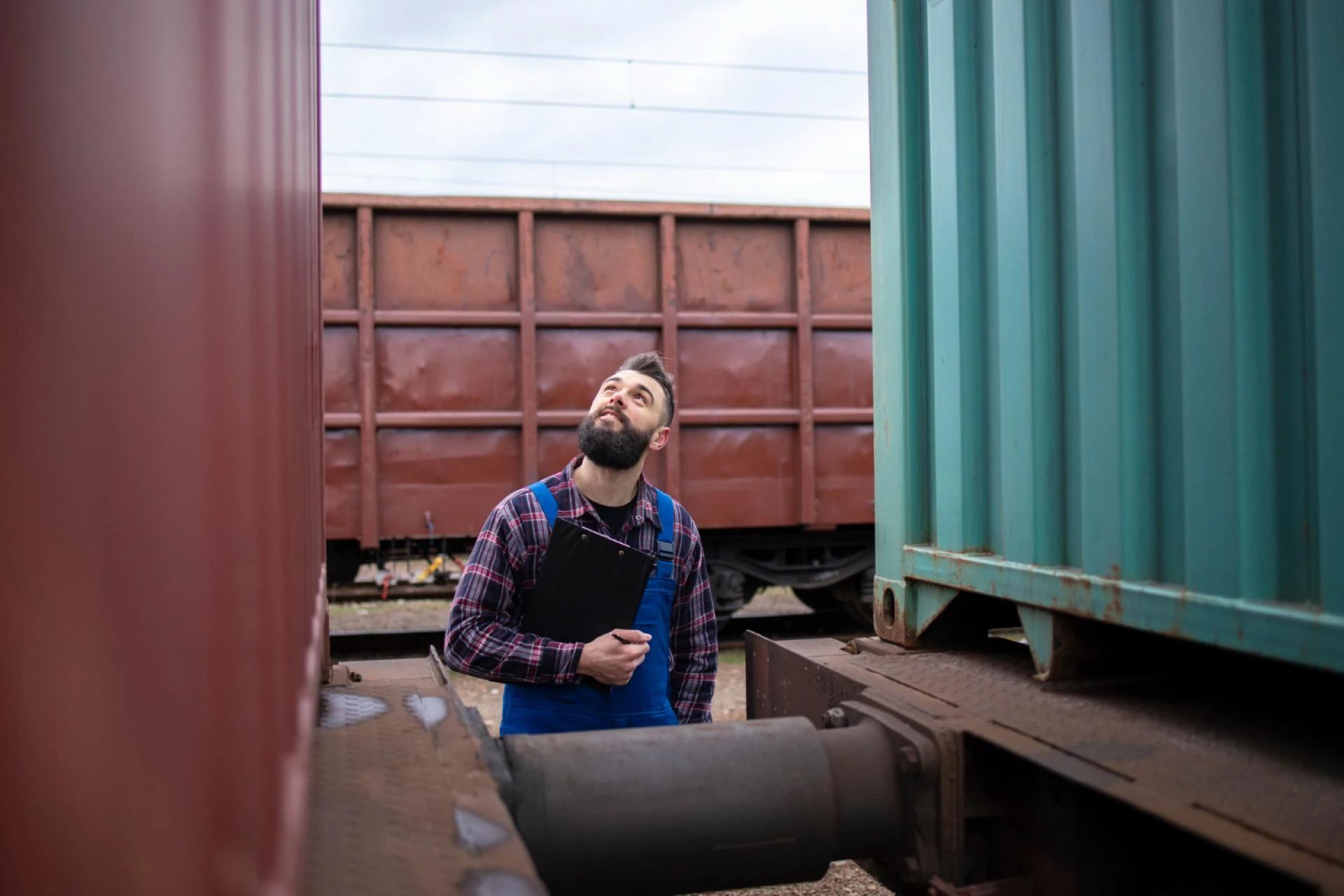

Sustainability is no longer a trend. It is a responsibility. This is especially true in construction and waste management.
Sustainable skip bin manufacturing focuses on reducing harm to the environment. It also improves safety, durability, and long-term value.
When you work with a skip bins manufacturer, you are not just buying a product. You are supporting a process. That process affects raw materials, energy use, waste, and compliance.
In cities like Melbourne, environmental standards are high. Local councils expect responsible practices. A skip bins manufacturer in Melbourne must meet these expectations.
This blog explains what sustainable skip bin manufacturing really means. It covers materials, processes, legal duties, and smart buying decisions.
What Is Sustainable Skip Bin Manufacturing?
Sustainable manufacturing reduces environmental impact. It considers the full life cycle of a skip bin.
This includes design, production, use, and end-of-life disposal. Each stage matters.
A responsible skip bins manufacturer looks beyond profit. They focus on long-term environmental and social value.
Sustainability is not one action. It is a system of choices.
Eco-Friendly Materials Used in Skip Bins
Steel is the main material used in skip bins. Sustainable manufacturers choose recycled steel.
Recycled steel reduces mining. It also lowers carbon emissions.
High-grade steel lasts longer. This reduces replacement frequency.
Some manufacturers also use low-toxicity coatings. These coatings protect against rust. They also reduce chemical runoff.
A skip bins manufacturer in Melbourne often sources steel locally. This cuts transport emissions.
Energy-Efficient Manufacturing Processes
Energy use is a major concern. Modern factories use energy-efficient machinery.
These machines reduce electricity consumption. They also improve precision.
Many plants now use renewable energy. Solar power is common.
Water use is also controlled. Closed-loop systems reduce waste.
A sustainable skip bins manufacturer tracks energy data. They aim for continuous improvement.
Waste Reduction and Recycling Practices
Manufacturing creates scrap. Sustainable practices minimize it.
Steel offcuts are reused or recycled. Nothing goes to landfill without reason.
Packaging is also reduced. Reusable pallets are preferred.
Some manufacturers take back old bins. They refurbish or recycle them.
This circular approach saves resources. It also lowers costs over time.
Durability and Product Life Cycle
A sustainable skip bin lasts longer. Durability is key.
Thicker steel walls resist damage. Reinforced edges prevent bending.
Longer life means fewer replacements. This reduces material demand.
A quality skip bins manufacturer designs bins for heavy use. They test products before delivery.
Repairability also matters. Replaceable parts extend service life.
Workplace Safety and Ethical Manufacturing
Sustainability includes people. Worker safety is essential.
Ethical manufacturers follow strict safety rules. They provide proper training.
Safe workplaces reduce accidents. They also improve productivity.
Fair wages and lawful employment matter. These are part of responsible manufacturing.
A skip bins manufacturer in Melbourne must meet Australian labor laws. This protects workers and buyers alike.
Legal and Regulatory Considerations
Skip bin manufacturing is regulated. Compliance is not optional.
Key legal areas include:
- Australian Standards for steel products
- Workplace Health and Safety (WHS) laws
- Environmental Protection Authority (EPA) rules
- Local council waste regulations
Manufacturers must manage emissions. They must also control noise and waste.
Product liability laws apply. Bins must be safe for use.
Always request compliance documentation. It protects your business.
Certifications and Environmental Standards
Certifications show commitment. They provide proof.
Look for ISO 14001 certification. This relates to environmental management systems.
ISO 9001 covers quality management. It ensures consistent production.
Some manufacturers follow ESG frameworks. These focus on environmental, social, and governance factors.
A certified skip bins manufacturer is more reliable. They invest in proper systems.
How to Choose the Best Professional Manufacturer
Choosing the right partner is critical. Price should not be the only factor.
Consider experience. Long-term manufacturers understand regulations.
Review past projects. Check client testimonials.
Ask about sustainability policies. Look for clear answers.
A professional skip bins manufacturer will be transparent. They will welcome questions.
Local expertise also helps. A skip bins manufacturer in Melbourne understands regional rules.
What Questions Should You Ask?
Asking the right questions saves time. It also avoids risk.
Here are key questions to ask:
- What materials do you use?
- Is recycled steel included?
- How do you manage manufacturing waste?
- Do you meet EPA and WHS requirements?
- What coatings are used for corrosion protection?
- Are your bins repairable?
- What certifications do you hold?
- Do you offer custom designs?
Clear answers indicate professionalism. Vague answers are a red flag.
Cost vs. Sustainability: Finding Balance
Sustainable products may cost more upfront. But they save money over time.
Longer life reduces replacement costs. Lower maintenance saves labor.
Compliance avoids fines. Reputation improves customer trust.
A well-made bin is an investment. Not an expense.
The Role of Innovation in Sustainability
Innovation drives progress. Manufacturers now use advanced design software.
This reduces material waste. It improves strength.
Automation improves consistency. It also lowers energy use.
Future trends include lighter designs. Smart tracking may follow.
Innovation supports sustainability goals.
Conclusion
Sustainable skip bin manufacturing is about responsibility. It covers materials, energy, people, and compliance. A reliable skip bins manufacturer focuses on long-term value. They reduce environmental impact. They improve safety and durability. Working with a trusted skip bins manufacturer in Melbourne offers local advantages. It ensures compliance with strict standards. Always review credentials. Ask informed questions. Sustainability is not a claim. It is a process. Choosing the right manufacturer supports your business. It also supports the planet.





















Sign in to leave a comment.