

Running a business in Edmonton means operating in one of Canada's most dynamic economic cities home to energy, tech, logistics, healthcare, and a fast-growing small business sector. But no matter your industry, one thing is universal: your business internet connection is the foundation everything else runs on.
From video calls and cloud software to VoIP phone systems and remote teams, business internet in Edmonton needs to be fast, reliable, and built for professional demands. This guide covers everything you need to make a smart, informed decision.
1. Why Business Internet in Edmonton Is Different from Residential Service
A common and costly mistake many Edmonton business owners make is running their operations on a standard home internet plan. Residential internet is designed for individual users browsing, streaming, and gaming not for the consistent, mission-critical demands of a business environment.
Business internet in Edmonton, by contrast, is purpose-built for professional use. Here is what separates the two:
Key Differences:
- Symmetrical Speeds: Business plans offer equal upload and download speeds, which is essential for cloud backups, VoIP calls, and video conferencing
- Service Level Agreements (SLAs): Guarantee uptime typically 99.9% or higher with defined response times if something goes wrong
- Static IP Addresses: Required for hosting, VPNs, remote desktop access, and secure communications
- Priority Technical Support: Dedicated business support lines with faster escalation paths
- Scalability: Plans that grow with your headcount and bandwidth needs without requiring a provider switch
If your team is experiencing buffering, dropped calls, or sluggish file uploads, these are clear signs you need to upgrade your internet to a proper business-grade solution.
2. Types of Business Internet Packages in Edmonton
Understanding the technologies available helps you match the right connection to your actual operational needs. Business internet packages in Edmonton typically fall into these categories:
Fibre Optic Internet
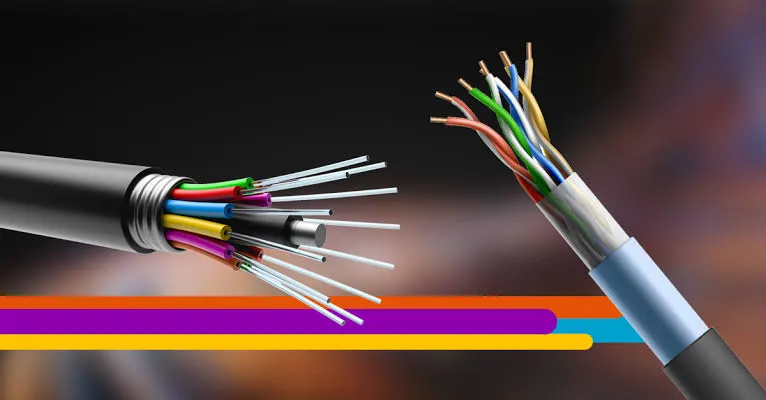
The fastest and most reliable option available. Fibre delivers symmetrical gigabit speeds with minimal latency ideal for businesses with heavy cloud usage, large file transfers, and multiple simultaneous users. If fibre is available at your location, it should be your first choice.
Cable Internet
A widely available and cost-effective option for small businesses. Download speeds are strong, but upload speeds are often asymmetrical, which can create bottlenecks for cloud-heavy workflows.
Dedicated Ethernet (DIA)
Direct Internet Access gives your business a private, unshared line with guaranteed bandwidth. This is the enterprise-grade choice for companies that cannot tolerate any slowdowns or shared congestion.
Fixed Wireless Internet
Available in areas of Edmonton where fibre infrastructure hasn't fully expanded. A wireless signal is transmitted to a receiver on your building, a solid backup or primary option depending on your location.
DSL Internet
A lower-tier option using existing phone lines. Suitable only for micro-businesses with very light internet usage.
Choosing the right package starts with an honest assessment of how many people are connected, what applications they use, and how much downtime your business can realistically afford.
3. How to Conduct a Business Internet Comparison in Edmonton
Not all providers are equal, and a proper business internet comparison in Edmonton goes far beyond comparing advertised speeds. Here is a practical framework:
Step 1 Assess Your Bandwidth Needs
A rough starting point: allocate 25–50 Mbps per active user for general business use. If your team relies heavily on video conferencing, cloud storage, or large file transfers, plan for significantly more.
Step 2 Evaluate Uptime Guarantees
Ask every provider what their SLA covers. Does it guarantee uptime? What is the compensation if they fall short? How quickly will a technician be dispatched?
Step 3 Check Availability at Your Address
Not every technology is available at every Edmonton location. Confirm that the plan you're considering is actually serviceable at your specific address before going further in the process.
Step 4 Compare Total Cost of Ownership
Look beyond the monthly rate. Factor in installation fees, equipment costs, contract length, early termination penalties, and whether the price increases after a promotional period.
Step 5 Test Their Support
Call their business support line before you sign anything. How long did you wait? Was the representative knowledgeable? This interaction is a preview of what you'll experience as a customer.
4. What Small Business Internet in Edmonton Should Include
Small business internet in Edmonton doesn't need to cost enterprise prices but it does need to deliver enterprise-level reliability. Here is what a strong small business plan should include as standard:
- A minimum of 100 Mbps symmetrical speeds (fibre preferred)
- A written SLA with uptime guarantees and response time commitments
- Static IP address availability (even if it costs a little extra)
- 24/7 business-focused technical support
- No throttling or data caps during business hours
- Flexible contract options without excessive early termination fees
When evaluating business internet providers in Edmonton, ask whether these elements are included by default or sold as add-ons. The difference matters significantly when calculating actual value.
5. High Speed Internet for Business in Edmonton: Why Speed Alone Isn't Enough
Many business owners focus exclusively on download speed when shopping for internet. But high speed internet for business in Edmonton is really about the complete performance profile, not just one number.
What truly matters:
- Latency: Low latency (under 20ms ideally) is critical for VoIP quality and real-time applications
- Jitter: Inconsistent latency causes choppy audio and video a major problem for client-facing calls
- Packet Loss: Even small amounts of packet loss can degrade VoIP, video calls, and cloud application performance
- Consistency: A connection that delivers 90% of its advertised speed reliably is worth more than one that occasionally hits peak speeds
This is why fibre and dedicated connections consistently outperform cable for business use; they deliver consistent, low-latency performance around the clock, not just at off-peak hours.
6. Questions to Ask Business Internet Providers in Edmonton Before You Commit
Before signing with any of the business internet providers in Edmonton, make sure you have clear answers to the following:
- What connection technology is available at my address fibre, cable, or fixed wireless?
- What uptime does your SLA guarantee, and what is your compensation policy for outages?
- Are static IPs included, and how many are provided?
- What are the realistic installation timelines?
- Does the plan include a router, or do I need to provide my own equipment?
- Can the plan scale up without requiring a new contract?
- Is there a trial period or money-back guarantee?
Getting these answers in writing before committing protects your business and sets clear expectations from day one. You can also use this guide to choosing the best internet provider as a reference checklist during your evaluation.
Conclusion
Selecting the right business internet in Edmonton is one of the most important operational decisions you'll make. The wrong choice leads to downtime, frustrated employees, dropped client calls, and lost productivity. The right choice becomes an invisible, reliable foundation that your entire business runs on without a second thought.
At CanComCo, we help Edmonton businesses find and implement the internet solutions that actually match their needs, not just the most profitable package for a provider. Whether you're a solo operator looking for reliable small business internet in Edmonton.
Frequently Asked Questions (FAQs)
FAQ 1: What is the best type of internet connection for a small business in Edmonton?
For most small businesses in Edmonton, fibre optic internet is the best available option. It delivers symmetrical speeds meaning your upload speed matches your download speed which is essential for cloud-based applications, video conferencing, and VoIP phone systems.
FAQ 2: How do I know if my current internet plan is hurting my business productivity?
Common warning signs include slow file uploads to cloud storage, frequent video call interruptions or dropped audio, VoIP calls with choppy or delayed sound, lag when multiple employees are online simultaneously, and regular complaints from remote staff about connectivity.
FAQ 3: How much does business internet in Edmonton typically cost?
Business internet pricing in Edmonton varies depending on the connection type, speed tier, and provider. Entry-level business cable plans can start around $80–$120 per month, while fibre plans for small to mid-sized businesses generally range from $150–$400 per month depending on speed and SLA terms.































Sign in to leave a comment.