Introduction
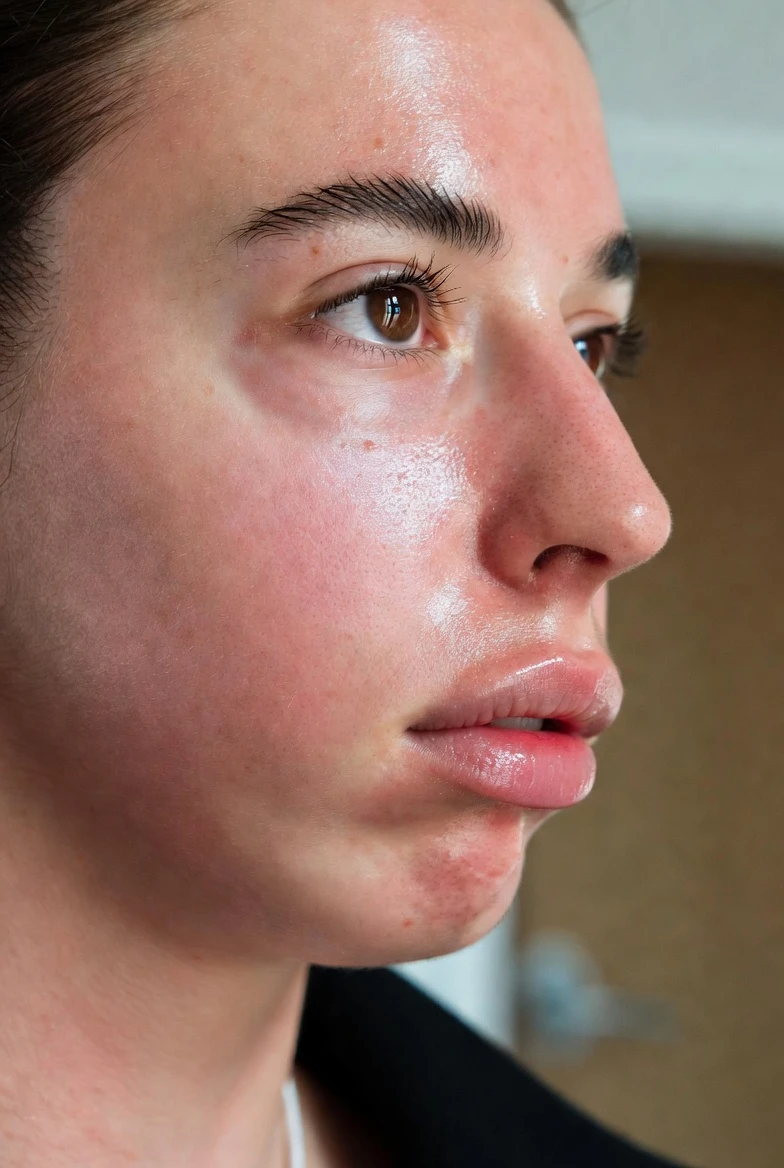
You woke up and something felt wrong. Maybe your cheek was puffy against the pillow. Perhaps you caught your reflection and didn't recognize the asymmetry. Or the pressure built gradually until you realized: my face is swelling, and it's getting worse.
I've been there. My wisdom tooth infection escalated from "annoying ache" to "chipmunk cheek" in 36 hours. The fear was immediate—is this dangerous? Do I need the ER? Can I wait until Monday?
Facial swelling originating from dental issues ranges from inconvenient to life-threatening. This guide helps you navigate the panic, identify true emergencies, and understand what happens when you seek care. No medical jargon, no false reassurance—just clear information for a scary situation.
Understanding the Anatomy: Why Faces Swell
Your face contains complex networks of blood vessels, lymphatic channels, and fascial spacesessentially compartments that separate different tissue layers. When infection or inflammation occurs in your teeth or gums, it spreads through these pathways. To ensure proper care, it’s best to visit Indental Castle Hill, where expert dental treatments are available to address these issues effectively.
The Danger Zones
Dental infections typically spread in predictable patterns:
| Origin Site | Common Swelling Location | Risk Level |
|---|---|---|
| Upper front teeth | Upper lip, under nose (danger triangle) | High – potential brain involvement |
| Upper back teeth | Cheek, eye area, temple | High – orbital cellulitis risk |
| Lower back teeth | Jaw angle, neck, floor of mouth | Critical – airway compromise possible |
| Lower front teeth | Chin, under jaw | Moderate – Ludwig's angina risk |
| Wisdom teeth | Jaw angle, ear area, throat | Variable – depends on spread direction |
Bold warning: Swelling in the "danger triangle" (area from corners of mouth to bridge of nose) or any swelling affecting your eye, neck, or ability to swallow/breathe requires immediate emergency care.
Causes: What's Behind the Swelling?
Not all facial swelling is equal. Understanding the cause helps you gauge urgency:
Dental Abscess (Most Common)
A pocket of pus forms when bacteria invade tooth pulp or periodontal tissues. Symptoms include:
- Throbbing pain that may temporarily improve (nerve death)
- Sensitivity to hot/cold that lingers
- Bad taste or odor from the area
- Fever as infection progresses
Timeline matters: Abscesses can simmer for weeks then explode rapidly. Never assume stability means safety.
Cellulitis (The Spreading Infection)
This isn't just "swelling"—it's bacterial invasion of skin and soft tissues. Hallmarks:
- Red, hot, shiny skin over swollen area
- Rapid expansion (mark the edge with pen to track spread)
- Fever, chills, feeling systemically ill
- Skin that feels tight or "wooden"
Cellulitis is always an emergency. It can advance to sepsis or necrotizing fasciitis.
Salivary Gland Infections
Blocked or infected salivary glands cause:
- Swelling under jaw or in front of ears
- Pain that worsens during meals (when glands work hardest)
- Dry mouth, bad taste
- Possible pus draining into mouth
Usually less urgent than dental abscesses, but still require prompt care.
Allergic Reactions
Sometimes swelling isn't infection—it's allergy. Differentiate by:
- Sudden onset after new medication, food, or product use
- Itching or hives accompanying swelling
- Lip or tongue swelling without dental pain
- History of allergies
Allergic facial swelling can obstruct airways. If breathing difficulty occurs, call 911 immediately.
Other Causes to Consider
- Trauma: Recent facial injury with developing hematoma
- TMJ disorders: Inflammation without infection signs
- Cysts or tumors: Slow-growing, painless swellings (non-emergency but need evaluation)
- Sinus infections: Can mimic upper tooth pain with facial pressure
The Emergency Assessment: Your Decision Tree
When facial swelling appears, run through this checklist:
Immediate ER Indicators (Call 911 or Go Now)
- Difficulty breathing or swallowing
- Swelling spreading to eye (vision changes, eye pain, difficulty moving eye)
- Inability to open mouth (trismus) with fever
- Confusion, severe headache, or altered consciousness
- Rapidly spreading redness with high fever
- Immunocompromised status (chemotherapy, uncontrolled diabetes, HIV) with any facial swelling
Same-Day Dental Emergency (Within 4-6 Hours)
- Visible abscess with facial swelling
- Moderate fever (100.4°F+) with dental pain
- Swelling affecting eating or speaking
- Recent dental procedure with worsening swelling
Urgent Dental Care (Within 24 Hours)
- Localized gum swelling without facial involvement
- Mild toothache with slight facial puffiness
- Recurrent swelling that resolved previously
Non-Urgent (Regular Appointment)
- Long-standing, painless lump
- Intermittent swelling related to specific foods (possible minor salivary issue)
- Cosmetic concerns about facial asymmetry without pain
What to Expect at the Emergency Visit
Knowing the process reduces anxiety. Here's the typical flow:
Triage and Assessment
Healthcare providers will immediately check:
- Airway patency – Can you breathe and swallow safely?
- Vital signs – Fever, heart rate, blood pressure indicate infection severity
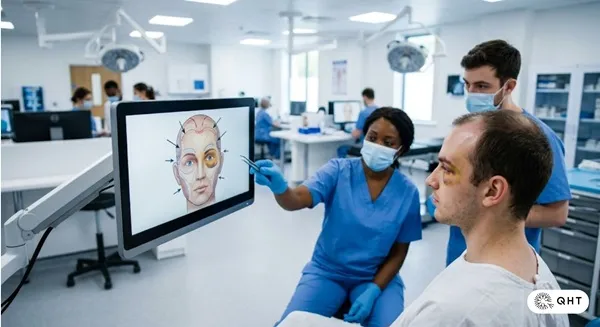
- Swelling extent – Measurement and photography for documentation
- Source identification – Which tooth or area is the origin?
You'll likely receive: Pain management, possible IV antibiotics, and imaging (dental X-rays or CT scan if spread is extensive).
Treatment Pathways
| Severity | Typical Treatment | Setting |
|---|---|---|
| Localized dental abscess | Incision and drainage, root canal or extraction, oral antibiotics | Dental office or urgent care |
| Spreading cellulitis | IV antibiotics, surgical drainage if abscess present, possible hospital admission | ER or hospital |
| Deep space infection | Surgical drainage in OR, IV antibiotics, airway monitoring | Hospital |
| Orbital involvement | Emergency surgery, IV antibiotics, ophthalmology consultation | Hospital |
| Ludwig's angina (floor of mouth) | Emergency airway management, aggressive IV antibiotics, surgical drainage | ICU setting |
Comparative Analysis: Treatment Settings and Timelines
| Condition | Typical Hospital Stay | Follow-Up Required | Recovery Timeline |
|---|---|---|---|
| Simple drained abscess | Outpatient | 48-72 hour recheck | 1-2 weeks |
| IV antibiotic course | 24-48 hours | 7-10 days oral antibiotics | 2-3 weeks |
| Surgical drainage | 2-3 days | Wound care, dental treatment | 3-4 weeks |
| Complicated deep space | 5-7+ days | Multi-specialty follow-up | 4-6+ weeks |
The Dental Treatment: Fixing the Source
Emergency care manages the infection, but the underlying dental problem remains. Expect:
Immediate Phase (During/After Infection Control)
- Extraction: If tooth is non-restorable, removal eliminates infection source
- Incision and drainage: Releasing pus pressure dramatically reduces pain
- Root canal: If tooth is salvageable, emergency pulpectomy (nerve removal) stops infection progression
Definitive Phase (After Swelling Resolves)
- Complete root canal therapy: If emergency pulpectomy performed
- Crown placement: To protect root-canaled tooth
- Periodontal treatment: If gum disease was the source
- Wisdom tooth removal: If partially erupted tooth caused infection
Critical point: Never ignore follow-up appointments. The infection will return if the source isn't definitively treated.
Home Care While Arranging Treatment
If you're managing symptoms before professional care:
Do This
- Cold compresses: 20 minutes on, 20 minutes off to reduce swelling
- Elevate head: Sleep with extra pillows to limit fluid accumulation
- Salt water rinses: Gentle warm rinses if abscess is draining (don't swallow)
- Stay hydrated: Support your immune system
- Mark swelling edges: Draw line with marker to track spread
Never Do This
- Apply heat: Increases blood flow and can spread infection
- Attempt to lance/drain yourself: Risk of spreading infection to deeper spaces
- Take leftover antibiotics: Incomplete courses create resistance; wrong antibiotic may be ineffective
- Ignore worsening symptoms: "Toughing it out" can be fatal with facial infections
Prevention: Stopping the Next Crisis
Most dental emergencies are preventable. Post-recovery, commit to:
Risk Factor Management
| Risk Factor | Prevention Strategy | Frequency |
|---|---|---|
| Untreated decay | Regular examinations, prompt fillings | Every 6 months minimum |
| Gum disease | Professional cleanings, improved home care | Every 3-6 months if diagnosed |
| Cracked teeth | Night guards for grinders, avoid ice/hard candy | Ongoing |
| Dry mouth | Saliva substitutes, fluoride, hydration | Daily management |
| Immunocompromise | Prophylactic antibiotics for procedures, aggressive prevention | As directed by physician |
Warning Sign Recognition
Learn your body's signals. See a dentist promptly if you experience:
- Toothache lasting more than 1-2 days
- Sensitivity that localizes to one tooth
- Gum pimple that drains and returns
- Jaw pain with fever
The Financial Reality: Emergency Dental Costs
Let's address the practical worry: How much will this cost?
| Emergency Scenario | Estimated Cost Range | Insurance Considerations |
|---|---|---|
| Emergency room visit (no admission) | $500-$3,000 | Often high deductible; may not cover "dental" issue |
| Dental emergency visit + X-rays | $100-$300 | Usually covered; co-pay applies |
| Simple extraction | $150-$400 | Often covered at 70-80% |
| Incision and drainage | $200-$600 | Variable; sometimes considered oral surgery |
| Root canal (emergency) | $700-$1,500 | Usually covered at 50-80% after deductible |
| Hospital admission (IV antibiotics) | $5,000-$15,000+ | Major medical applies; dental source may limit coverage |
Important: Many dental offices offer emergency payment plans. Hospitals often have financial assistance programs. Don't avoid care due to cost—untreated facial infections become far more expensive and dangerous.
Conclusion
Facial swelling from dental issues demands attention because anatomy leaves little margin for error. The spaces in your face and neck connect to critical structures—your airway, your brain, your vision.
Trust your instincts. If something feels seriously wrong, it probably is. Modern emergency medicine and dentistry have excellent tools for managing these infections, but they require your prompt participation.

























Sign in to leave a comment.