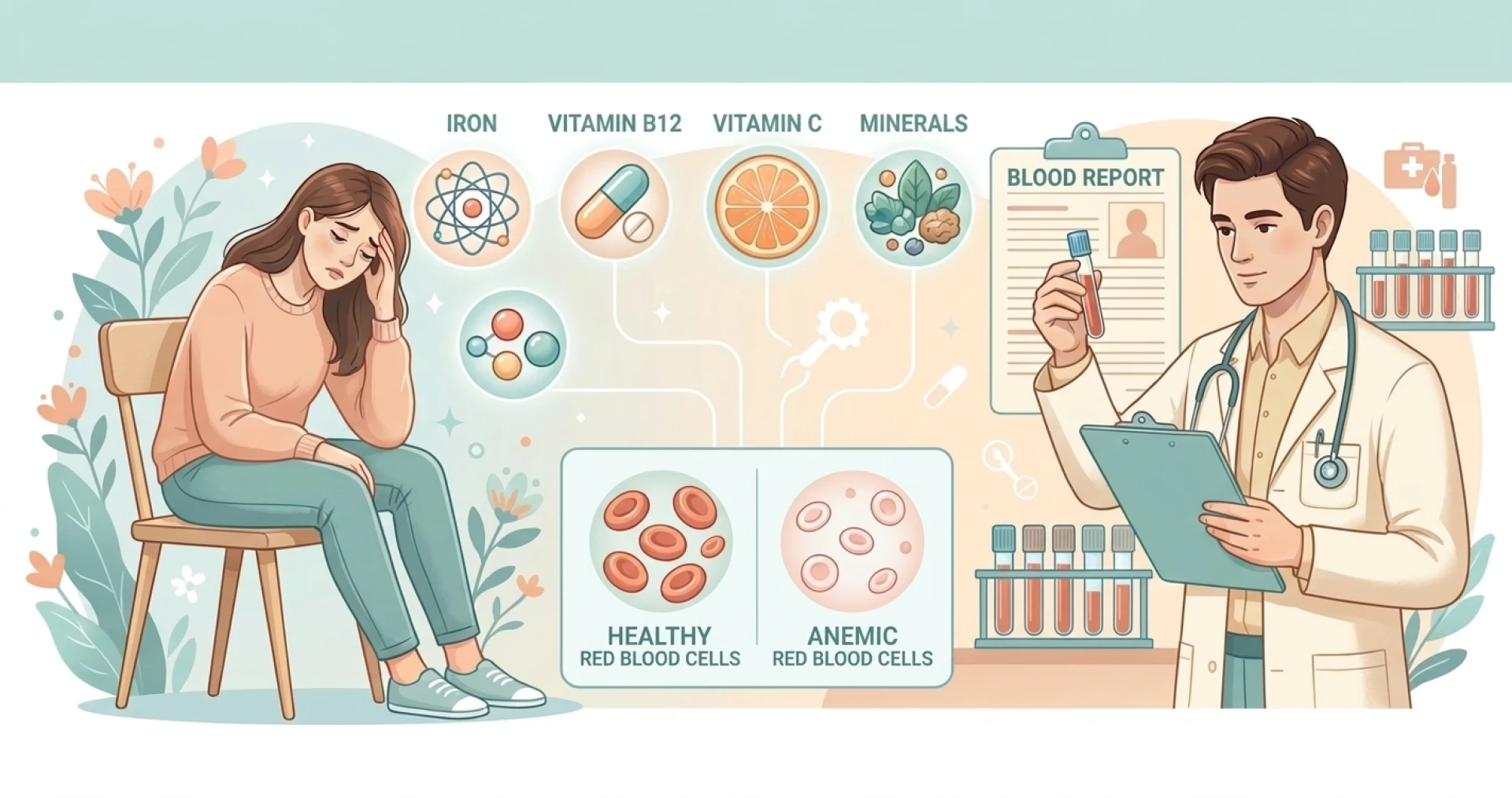

Many people feel tired, weak, or unfocused but assume it is due to stress or lack of sleep. However, these symptoms can sometimes signal a nutrient deficiency or anemia. Identifying the problem early helps you take the right steps toward recovery. With proper medical guidance and options such as anemia testing in Dubai, you can understand what your body is lacking and start correcting it before the condition worsens.
What Are Nutrient Deficiency and Anemia?
Your body needs vitamins and minerals such as iron, vitamin B12, folate, and vitamin D to function properly. When you do not get enough of these nutrients, your body cannot perform essential tasks like producing healthy red blood cells, maintaining energy levels, and supporting immune function.
Anemia is a common condition linked to nutrient deficiency, especially iron deficiency. It occurs when your body does not have enough healthy red blood cells to carry oxygen to tissues. According to medical experts, deficiencies in vitamin B12 or folate can also lead to certain types of anemia.
Common Symptoms You Should Not Ignore
Nutrient deficiencies often develop slowly, so the symptoms may appear mild at first. Over time, they can become more noticeable and affect your daily life.
Some common signs include:
Constant fatigue and weakness
You may feel tired even after resting because your body lacks the nutrients needed to produce energy.
Pale or yellowish skin
Low iron or vitamin levels can affect blood circulation and cause visible changes in skin tone.
Frequent headaches or dizziness
Reduced oxygen delivery to the brain can lead to headaches, lightheadedness, or difficulty concentrating.
Hair thinning and brittle nails
Your body prioritizes vital organs when nutrients are scarce, which can lead to hair loss or weak nails.
Shortness of breath
When red blood cell levels are low, your body struggles to deliver enough oxygen during normal activities.
If you notice several of these symptoms together, it is wise to consult a healthcare professional.
How Doctors Test for Nutrient Deficiencies
The most reliable way to confirm a deficiency is through laboratory testing. Doctors typically recommend blood tests to measure levels of key nutrients such as iron, vitamin B12, folate, and vitamin D.
In some cases, additional testing may be suggested to evaluate conditions related to blood disorders or inherited conditions affecting haemoglobin levels. These tests help doctors determine whether your symptoms are caused by nutritional gaps, chronic illness, or genetic factors.
Accurate diagnosis ensures that treatment focuses on the real cause rather than just managing symptoms.
Steps You Can Take to Recover
Once a deficiency is identified, recovery usually involves a combination of diet improvements, supplements, and medical monitoring.
Improve your diet.
Include iron-rich foods such as spinach, lentils, red meat, and fortified cereals. Foods high in vitamin B12, like eggs, dairy, and fish, also support healthy blood production.
Use supplements when recommended.
Your doctor may prescribe iron, vitamin B12, or folic acid supplements to restore healthy levels more quickly.
Address underlying conditions
Some people have difficulty absorbing nutrients due to digestive issues or genetic blood disorders. Treating these conditions helps prevent recurring deficiencies.
Monitor your health regularly.
Follow-up blood tests ensure that your nutrient levels are improving and that your treatment plan is working effectively.
Conclusion
Nutrient deficiencies and anemia can affect your energy, immunity, and overall health if left untreated. Recognizing symptoms early and seeking proper medical evaluation allows you to take control of your health. With tools such as nutritional analysis testing, you can identify imbalances in your body and create a targeted plan to restore optimal nutrition and long-term wellbeing.






























Sign in to leave a comment.