If you think rope is just rope, think again. In the world of rigging, marine work, industrial applications, and everyday hauling needs, synthetic rope has become the go-to choice — and for good reason. Light, strong, weather-resistant, and incredibly versatile, synthetic ropes are increasingly replacing traditional natural-fiber rope in many settings. From heavy-duty mooring jobs to simple household utility, these engineered fibers are quietly doing the hard work all around us.
In this article, we’ll explore what synthetic rope really is, why people choose it over older options, and how Fabrimetrics Philippines Inc.’s rope offerings stand out for quality, variety, and performance.
What Makes Rope “Synthetic”?
At its core, synthetic rope is made not from natural fibers like hemp or sisal, but from man-made polymer materials such as polyethylene (PE) and polypropylene (PP). These materials are engineered to deliver strength, flexibility, and resilience far beyond what traditional fibers can offer. The result is a rope that feels light in your hands but can handle serious load and environmental stress.
Fabrimetrics’ rope line includes both polyethylene and polypropylene ropes, each suited to specific needs depending on strength requirements and environment of use.
Why Choose Synthetic Rope?
There’s a good reason builders, sailors, truck drivers, and outdoor enthusiasts are reaching for synthetic rope over traditional options. Simply put, it performs exceptionally well under conditions where other ropes struggle.
🔹 Strong Yet Lightweight
Synthetic ropes boast an excellent strength-to-weight ratio. That means they can carry heavy loads without weighing you down — a key reason why they’re used in industrial and marine applications alike.
🔹 Resistant to Water, Rot, and Decay
Unlike natural fiber ropes that absorb water and weaken over time, synthetic rope resists moisture, doesn’t rot, and won’t mildew. Marine environments, with salt spray and constant wet conditions, are no problem at all.
🔹 Versatile Across Tasks
Whether you’re tying down cargo, securing a boat at dock, or setting up safety lines for high-rise window cleaning, synthetic rope adapts to the task — strong, pliable, and dependable.
Types of Synthetic Rope You’ll Find
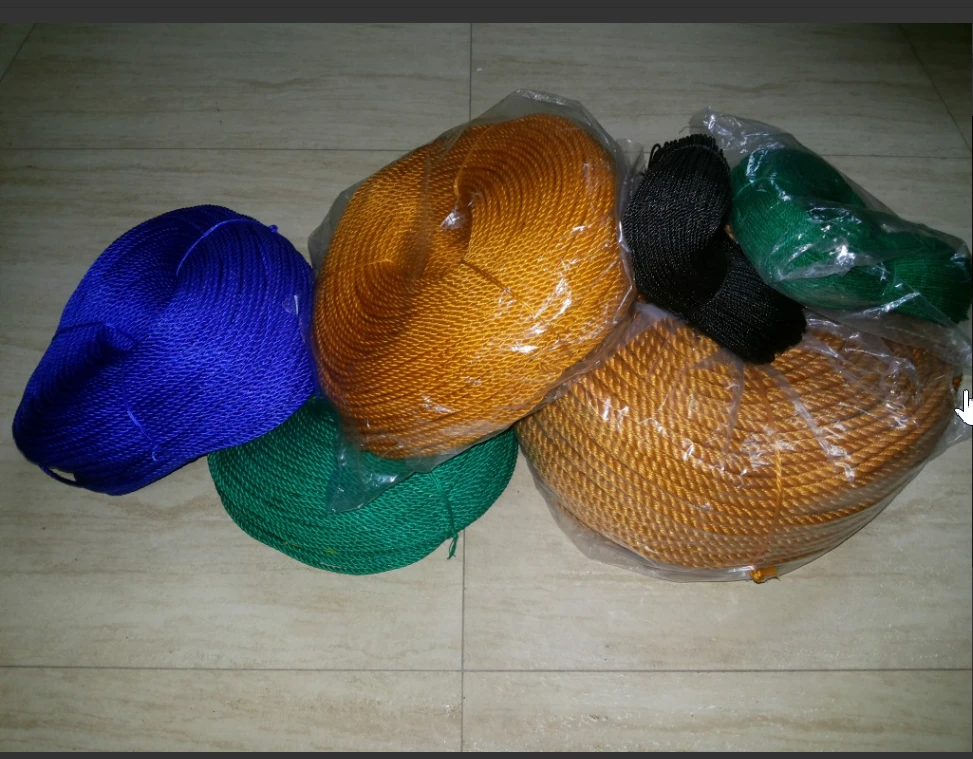
Fabrimetrics’ catalog includes a range of rope sizes and colors, customized to the needs of customers across industries and daily use.
Polyethylene (PE) Rope
Polyethylene rope is a top performer when lightweight strength and water resistance are priorities. It’s often used in applications where constant exposure to water might degrade lesser materials. PE rope won’t absorb water, and in many sizes it even floats, making it perfect for marine use. Synthetic lines like these are often relied on for buoy lines, dock lines, or anywhere a lightweight rope that handles wet environments is needed.
Polypropylene (PP) Rope
Polypropylene rope is another excellent choice for general utility, home use, and industrial applications. While slightly less resilient than some high-end specialty fibers, polypropylene remains a cost-effective option with strong durability and UV resistance, making it suitable for outdoor tasks. PP ropes are also lightweight and resist rot and chemicals — trusted qualities for everyday hauling and securing.
How Synthetic Rope Helps in Everyday Situations
The versatility of synthetic rope shines when you look at where it’s used. Some common examples include:
Mooring and Marine Use
The ropes offered by Fabrimetrics come in sizes all the way up to 100 mm diameter — more than capable of handling mooring duties for small boats and utility craft. They’re available in high-visibility colors like blue, golden yellow, green, and white, which can make docking and line handling easier and safer in active waterways.
Industrial and Trucking Applications
Whether tying down cargo, suspending loads, or securing materials on job sites and vehicles, synthetic rope delivers performance and reliability. You can pick the diameter and strength that matches your needs, and because these rope synthetic are lightweight, they’re easier to handle even when tasks require repeated use day after day.
Home and General Utility
Not every rope job requires heavy machinery. From hanging garden equipment to setting up outdoor décor, synthetic rope is durable and easy to use around the house. Its resistance to UV light and weather makes it a smart choice for projects that would wear out traditional natural fiber rope.
Choosing the Right Rope for Your Project
Since synthetic rope comes in many sizes — from tiny 0.5 mm lines for craft and light duty to massive 100 mm mooring ropes for heavy load-bearing needs — picking the right rope comes down to matching specs to your task.
Here are a few considerations before buying:
✔ Load Requirements
Start by figuring out how much weight and tension your rope needs to handle. Bigger diameter usually means higher strength, but always check recommended load ratings if they’re provided.
✔ Environment
Will your rope be used near water, in sun, in high-traffic areas, or exposed to chemicals? Synthetic materials are strong, but specific fibers handle certain elements better than others.
✔ Ease of Handling
Ropes with more flexible fibers and braids are easier to coil, tie, and splice. Some synthetic variants are designed with comfort and handling in mind.
✔ Longevity and Maintenance
High-UV resistance prevents sun damage, while rot and mildew resistance ensure longer life with less maintenance. Synthetic ropes excel here compared to natural fibers.
How Fabrimetrics Philippines Inc. Makes Synthetic Rope Better
What’s nice about the rope line from Fabrimetrics is the range and availability. From very small diameters to large industrial sizes, and in several vibrant colors, you get choices — and you’re not stuck with one generic option.
Plus, the company’s long history in engineered fabrics and products (including tarps, liners, and other materials) means you’re dealing with a brand that understands how materials behave in demanding conditions. That experience shows in the thoughtful sizing, material selection, and practical applications offered on the ropes product page.
Final Thoughts
Synthetic rope is more than just a “cord.” It’s a dependable tool engineered for strength, weather resistance, and real-world performance. Whether you’re using rope for marine work, industrial rigging, construction tasks, or everyday utility jobs, modern synthetic fibers deliver advantages that older natural materials simply can’t match.

Sign in to leave a comment.