

In the world of youth athletics, hard work is often confused with productive work. Parents sacrifice weekends driving to distant tournaments, while players spend hours doing repetitive drills they saw online. Yet, when the season begins, many athletes struggle to make an impact on the floor.
The issue isn't a lack of dedication—it is the absence of a structured system. Running random drills without a strategic plan is like building a house without a blueprint.
A true Basketball development program treats athletic growth as a step-by-step science. It bridges the gap between raw physical talent and elite game performance by focusing on biomechanics, decision-making, and progressive skill stacking.
At Next Level Basketball, our coaching staff operates on a system designed for sustainable athlete growth. Here is an inside look at the core components that define an effective development framework.
The Fallacy of the "Quick Fix" in Sports Development
Many skill clinics promise instant transformation in a single weekend. The reality is that the human nervous system does not acquire complex motor skills overnight.
When a player learns a new shooting form or defensive footwork pattern, their brain must build new neural pathways. This process requires three non-negotiable elements:
- Precision Instruction: Learning the exact biomechanics of the movement.
- High-Volume Repetition: Executing the movement correctly hundreds of times in a distraction-free setting.
- Progressive Stress: Gradually adding defensive pressure and physical fatigue to test the skill.
Programs that skip these foundational steps and jump straight into full-court scrimmage games only end up reinforcing flawed habits.
4 Core Pillars of a High-Performance Development System
An effective developmental curriculum must address every phase of an athlete's physical and mental evolution.
┌─────────────────────────────────────────────────────────┐ │ 1. Biomechanical Foundation │ │ (Core Balance, Lateral Mobility & Joint Stability) │ └────────────────────────────┬────────────────────────────┘ │ ▼ ┌─────────────────────────────────────────────────────────┐ │ 2. Precision Skill Isolation │ │ (Shooting Mechanics, Dribble Control & Footwork) │ └────────────────────────────┬────────────────────────────┘ │ ▼ ┌─────────────────────────────────────────────────────────┐ │ 3. Tactical Read-and-React │ │ (Small-Sided Games, Spacing & Basketball IQ) │ └────────────────────────────┬────────────────────────────┘ │ ▼ ┌─────────────────────────────────────────────────────────┐ │ 4. Performance & Mental Toughness │ │ (Game-Speed Execution Under Fatigue & High Pressure) │ └─────────────────────────────────────────────────────────┘
Pillar 1: Biomechanical Foundation
Athletes must first learn how to control their posture, drop their hips, and land safely. Establishing core balance and footwork mobility protects players from knee and ankle injuries while creating an explosive base for athletic moves.
Pillar 2: Precision Skill Isolation
Before applying a skill against defense, players must master it in isolation. This phase focuses on precise wrist releases, foot placement off the catch, and weak-hand dribble control through high-volume, undisturbed reps.
Pillar 3: Tactical Read-and-React
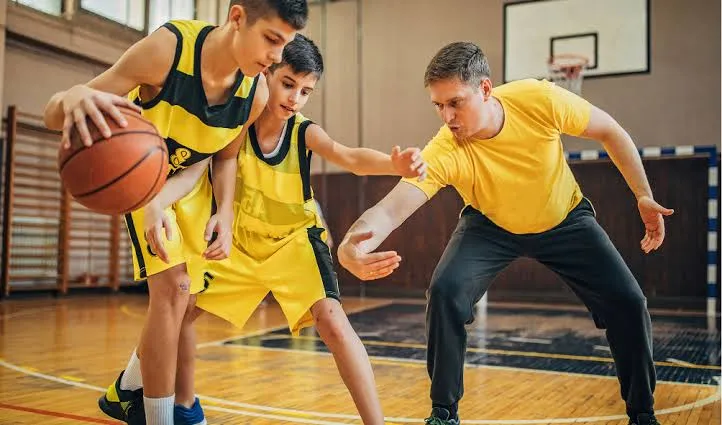
Basketball is a game of rapid decision-making. Through structured small-sided drills (such as 2-on-1 or 3-on-2 scenarios), players learn to read defender leverage, recognize open court space, and execute the correct pass or drive.
Pillar 4: High-Pressure Execution
The final stage tests skill retention under simulated game pressure. Players are challenged to maintain flawless shot mechanics and defensive discipline even when physical fatigue sets in.
Why Infrastructure and Environment Dictate Growth
You cannot build elite athletic habits in a low-quality environment. Training on dusty, worn-down floors in poorly lit buildings distracts players and increases the risk of slipping.
Serious skill acquisition requires a professional setting. Training in a state-of-the-art Basketball training facility featuring suspended hardwood floors, professional LED lighting, and advanced automated shooting technology allows athletes to maximize their focus and get up to three times as many shots in a single workout session.
Measure Progress, Don't Guess
A key distinction of a top-tier development system is objective progress tracking. Rather than guessing whether a player is improving, coaches should monitor clear metrics:
- Shooting Accuracy Trends: Tracking make/miss percentages from different areas of the floor over several weeks.
- Mechanical Efficiency: Utilizing video breakdown to analyze shot release time and footwork fluidity.
- Court Decision Accuracy: Evaluating turnover-to-assist ratios during controlled scrimmage situations.
Build Your Legacy With Next Level Basketball
Athletic success is not an accident; it is the natural result of systematic preparation, expert coaching, and continuous commitment.
At Next Level Basketball, our comprehensive development programs give young players the exact blueprint, professional instruction, and elite environment needed to reach their full potential on and off the court.
Stop settling for chaotic workouts that yield minimal results. Reach out to the team at Next Level Basketball today to discover our current program schedules and take the first step toward systematic athletic growth.

























Sign in to leave a comment.