

Tan BJJ Gi: How to Choose the Right Tan Brazilian Jiu Jitsu Gi
A tan BJJ gi is a distinctive choice for Brazilian Jiu Jitsu practitioners who want something different from the traditional white, black, or blue gi. With its desert-inspired appearance and understated style, a tan gi can stand out on the mats while still providing the same essential functionality as other BJJ gis.
However, choosing a tan Brazilian Jiu Jitsu gi is about more than color. You still need to consider the fit, fabric, weave, weight, stitching, shrinkage, academy rules, and competition requirements. A gi that looks great but fits poorly can quickly become uncomfortable during regular training.
Whether you are buying your first tan gi or adding another uniform to your BJJ collection, this guide explains what to look for and how to decide whether a tan gi is right for you.
What Is a Tan BJJ Gi?
A tan BJJ gi is a traditional Brazilian Jiu Jitsu uniform featuring a tan or beige-colored jacket and pants. Like other BJJ gis, it is designed specifically for grappling and typically consists of a reinforced jacket, gi pants, and a belt worn to indicate rank.
The word “tan” generally describes the color rather than a particular type of fabric or construction. A tan gi can therefore come in different weaves and weights, including lightweight, pearl weave, and other common BJJ constructions.
The tan BJJ gi style is particularly appealing to practitioners who prefer an earthy, neutral look instead of conventional gi colors.
According to overview of Brazilian Jiu Jitsu, the traditional BJJ uniform is commonly known as a gi and is designed for the grappling techniques used in the sport. The gi itself becomes part of the game because practitioners can use grips on the jacket and pants during various techniques.
Why Choose a Tan Gi?
There are several reasons someone might choose a tan BJJ gi.
For some practitioners, it is simply a style preference. White and black gis are extremely common, while tan offers a more distinctive appearance.
Others like the neutral, earthy aesthetic of tan clothing. It can have a clean and understated look without relying on bright colors or oversized graphics.
A tan gi can also be a nice addition to a BJJ collection if you already own several traditional colors.
Reasons to Consider a Tan BJJ Gi
- Unique appearance
- Neutral and understated color
- Works well with minimalist designs
- Can add variety to your BJJ gear collection
- Available in lightweight and heavier constructions
- Suitable for regular training when permitted by your academy
- Can provide a distinctive alternative to traditional colors
The important point is that the color should not be the only factor in your decision. Construction and fit still matter most.
Tan BJJ Gi vs Traditional Gi Colors
The biggest difference between a tan gi and a conventional BJJ gi is simply the color.
White, black, and blue are widely associated with Brazilian Jiu Jitsu. Tan is less conventional and therefore tends to attract more attention.
| Feature | Tan BJJ Gi | White BJJ Gi | Black BJJ Gi | Blue BJJ Gi |
|---|---|---|---|---|
| Appearance | Earthy and distinctive | Traditional | Classic and understated | Traditional and recognizable |
| Everyday training | Depends on academy | Usually common | Usually common | Usually common |
| Competition use | Depends on rules | Widely accepted where permitted | Widely accepted where permitted | Widely accepted where permitted |
| Style | Unique | Traditional | Minimalist | Traditional |
| Maintenance | Similar to other gis | Can show stains easily | May show fading | Can fade over time |
| Best for | Personal style and variety | Traditional training | Versatile training | Traditional BJJ style |
Always check your academy's rules before purchasing a nontraditional gi color.
Is a Tan BJJ Gi Legal for Competition?
This is one of the most important questions to ask before buying one.
A gi can be perfectly suitable for everyday training but still not be accepted at a particular tournament.
Competition organizations have their own uniform regulations. The IBJJF, for example, has specific requirements concerning gi colors, construction, patches, measurements, and condition.
The Brazilian Jiu Jitsu gi has evolved into specialized competition and training equipment, but not every color or design is automatically permitted under every ruleset.
If you intend to compete, check the exact rules of the organization hosting your event before buying a tan gi specifically for competition.
This is particularly important because “tan,” “beige,” “sand,” and similar colors can sometimes be interpreted differently by different manufacturers and competition officials.
Training Gi vs Competition Gi
If your main purpose is regular academy training, your options may be much broader.
If your main purpose is competition, choose the gi based on the tournament rules first and its appearance second.
A simple approach is:
Training: Follow your academy's uniform policy.
Competition: Follow the event's official uniform regulations.
Both: Choose a gi that satisfies your academy's rules and is suitable for the competitions you plan to enter.
What Material Is Best for a Tan Gi?
The color of a gi does not determine its material.
Tan BJJ gis can be manufactured using the same types of cotton-based fabrics and weaves found in other BJJ uniforms.
The most common considerations are:
- Cotton construction
- Pearl weave
- Single weave
- Gold weave
- Double weave
- Ripstop pants
- Lightweight fabrics
Each option offers a different balance between weight, durability, breathability, and comfort.
Lightweight Tan BJJ Gi
A lightweight tan gi can be an excellent option for regular training, especially if you train in a warm environment.
Lighter gis generally use less fabric and can feel more comfortable during long sessions.
Advantages
- Easier to move in
- Comfortable in hot gyms
- Less bulky
- Easier to pack for travel
- Often dries faster
- Good for frequent training
The trade-off is that extremely lightweight materials may not be as durable as heavier constructions.
If you train several times per week, look for a lightweight gi that still has reinforced stitching and strong stress points.
Heavy Tan BJJ Gi
A heavier tan gi can provide a more substantial feel and may be very durable.
However, heavier material also means more heat and additional weight.
A heavy gi can make sense if you:
- Train in a cooler gym
- Prefer thicker fabric
- Want maximum durability
- Do not mind additional weight
- Like the feel of traditional heavyweight gis
For hot environments, however, a lightweight or medium-weight tan gi may be a better choice.
What Is the Best Weave for a Tan BJJ Gi?
There is no single best weave for every practitioner.
Your ideal weave depends on your training frequency, climate, preferences, and budget.
| Weave | Weight | Durability | Breathability | Best Use |
|---|---|---|---|---|
| Single Weave | Light | Good | High | Hot weather |
| Pearl Weave | Light to medium | Very good | Good | Everyday training |
| Gold Weave | Medium | Very good | Moderate | Regular training |
| Double Weave | Heavy | Excellent | Lower | Durability-focused training |
| Ripstop | Light | Good | Good | Lightweight training |
For many BJJ practitioners, pearl weave is a practical middle ground.
It provides a good combination of durability and comfort without being as heavy as a double-weave gi.
How Should a Tan BJJ Gi Fit?
Fit is arguably more important than color.
A good gi should be comfortable enough for you to move through every major BJJ position without feeling restricted.
The jacket should allow your shoulders and arms to move freely. The pants should provide enough room around the hips and knees for guard work, shrimping, bridging, and other movements.
A properly fitted gi should not be:
- Extremely tight
- Excessively loose
- Restrictive around the shoulders
- Too long in the sleeves
- Too short in the sleeves
- Too tight around the thighs
- Constantly falling down during movement
Always check the manufacturer's specific size chart before ordering.
How to Choose the Right Tan Gi Size
BJJ brands often use sizes such as A0, A1, A2, A3, and A4.
However, these sizes are not completely standardized across every manufacturer.
For the best result, compare your measurements with the brand's size chart.
Important measurements include:
- Height
- Weight
- Chest
- Waist
- Hip
- Arm length
- Inseam
If you are between sizes, check whether the gi is pre-shrunk and read the manufacturer's recommendations.
Consider Shrinkage Before Buying
Many BJJ gis are made primarily from cotton, which means shrinkage can be an issue.
A gi that fits perfectly on day one can become noticeably smaller after repeated washing if it is exposed to excessive heat.
To reduce unwanted shrinkage:
- Follow the manufacturer's washing instructions
- Avoid unnecessary high temperatures
- Consider air drying when recommended
- Do not assume “pre-shrunk” means completely shrink-proof
- Check the brand's sizing information before ordering
This is especially important if your measurements are already close to the upper or lower limit of a size.
Tan Gi Pants Matter Too
The pants are just as important as the jacket.
BJJ involves constant movement of the legs, and the pants need to withstand pressure around the knees, hips, and seams.
Look for:
- Reinforced knees
- Strong stitching
- Durable drawstrings
- Comfortable waistband
- Appropriate pant length
- Flexible construction
Ripstop pants are popular because they provide a lightweight feel while offering good resistance to tearing.
Your pants should allow you to perform movements such as:
- Squats
- Shrimping
- Hip escapes
- Guard retention
- Knee-to-chest movements
- Technical stand-ups
- Inversions
If the pants pull tightly around your knees or hips, consider another size or cut.
What Makes a Good Tan BJJ Gi for Beginners?
Beginners do not need to overcomplicate their first gi purchase.
Focus on the fundamentals.
1. Comfortable Fit
The gi should allow you to move naturally.
2. Reasonable Weight
A medium-weight gi is often a versatile starting point.
3. Durable Construction
Look for reinforced stitching and stress points.
4. Academy Approval
Make sure your academy allows the color.
5. Easy Maintenance
Choose a gi that you can wash and care for without difficulty.
6. Reasonable Price
Your first gi does not need to be the most expensive one available.
Is Tan a Good Color for Everyday BJJ Training?
It can be, provided your academy permits it.
Some gyms have strict uniform policies, while others allow students to wear different gi colors.
Before ordering a tan gi, ask your instructor or check your academy's rules.
If tan is allowed, it can make an excellent everyday training uniform.
The earthy color also works well for practitioners who prefer a more understated look instead of large logos or bright designs.
Tan BJJ Gi Maintenance Tips
A good gi needs proper care regardless of its color.
Because BJJ gis absorb sweat and are exposed to close contact with other athletes, washing after every training session is important.
Wash After Every Class
Do not leave a sweaty gi in your gym bag.
Wash it as soon as reasonably possible after training.
Follow the Care Label
Different gis may have different washing recommendations.
Always follow the manufacturer's instructions.
Avoid Excessive Heat
High temperatures can cause cotton to shrink and may shorten the life of the fabric.
Dry Completely
Never store a damp gi.
Allow it to dry completely before folding and storing it.
Inspect the Seams
Check for loose stitching, damaged knees, or other signs of wear.
Small repairs can prevent larger problems later.
How Many Tan Gis Should You Own?
You probably don't need several tan gis unless you particularly like the color.
Your total number of gis should depend on how often you train.
| Training Frequency | Suggested Number of Gis |
|---|---|
| 1–2 times weekly | 1–2 |
| 3–4 times weekly | 2–3 |
| 5+ times weekly | 3–4+ |
| Frequent competition | Multiple training gis + competition gi |
Owning several gis allows you to rotate them and wash each one properly.
You can also keep your tan gi as a special training option while using other colors throughout the week.
Tan BJJ Gi Styling and Design
One reason tan gis have become appealing to some practitioners is their distinctive appearance.
Tan works particularly well with minimalist designs.
Instead of large graphics, many tan gis use:
- Small sleeve patches
- Minimal chest branding
- Dark embroidery
- Black accents
- Neutral artwork
- Simple academy patches
This gives the uniform a clean and modern appearance.
However, remember that patches and designs can be subject to academy and competition rules.
What About Other BJJ Gi Styles?
If you are building a collection of BJJ uniforms, you do not necessarily have to stick with one brand or style.
For example, some practitioners prefer a lightweight everyday gi while keeping a heavier gi for colder months.
Others like having a more traditional white gi alongside black, blue, or tan options.
There are also limited releases and special collections that appeal to collectors and practitioners who enjoy distinctive BJJ apparel.
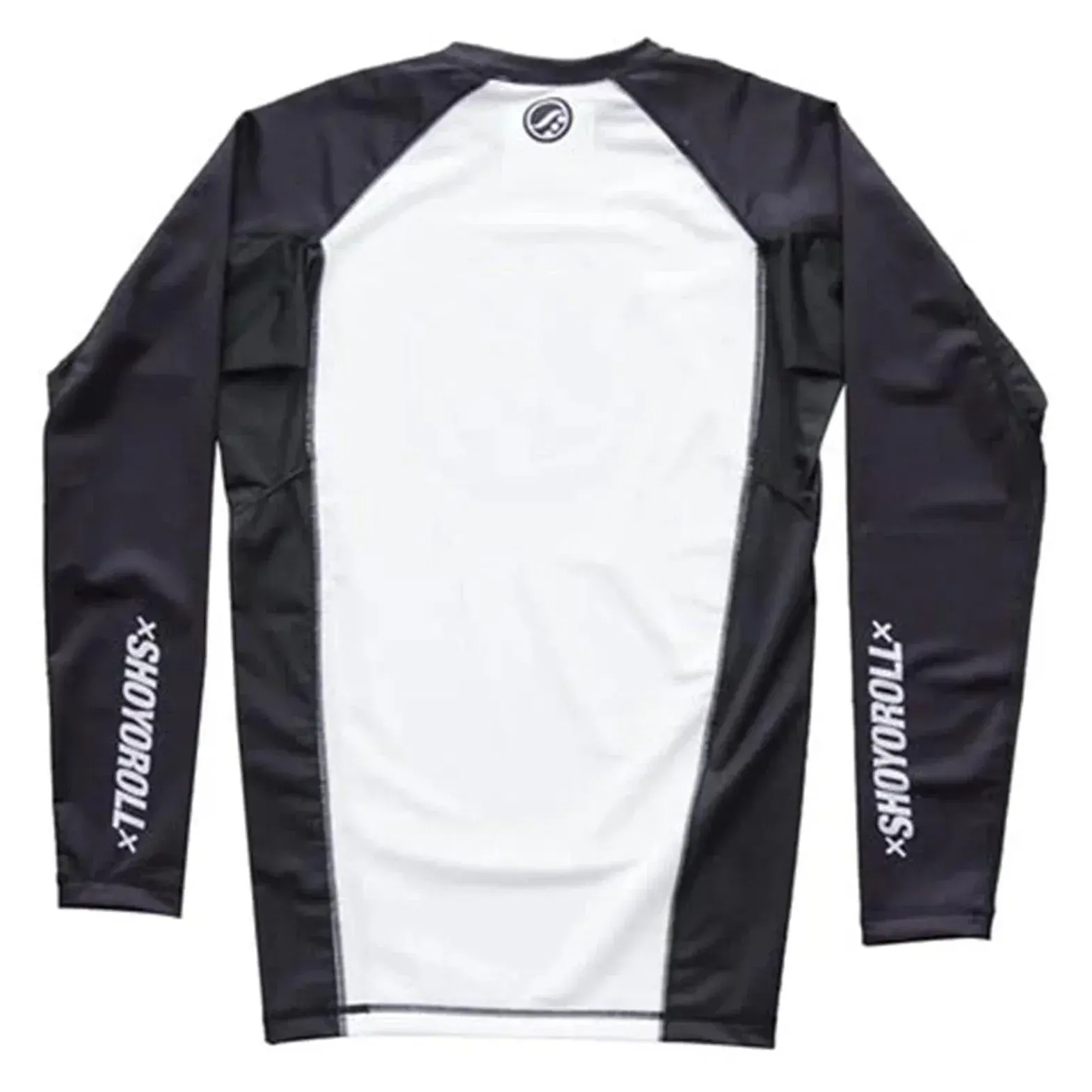
For example, the Shoyoroll Batch 111 is a 450 GSM BJJ kimono with a different design approach, showing how much variety exists within modern BJJ gi options.
Tan BJJ Gi vs White BJJ Gi
White remains the most traditional BJJ gi color.
A tan gi offers a different aesthetic but may not be as universally accepted for competitions.
| Factor | Tan Gi | White Gi |
|---|---|---|
| Style | Unique | Traditional |
| Academy acceptance | Depends on gym | Usually widely accepted |
| Competition | Rules-dependent | Commonly accepted where permitted |
| Appearance | Earthy | Classic |
| Variety | Less common | Very common |
| Best for | Personal style | Traditional training |
If you want the safest possible first gi, white is usually the conservative choice.
If your academy permits tan and you like the color, there is no reason not to add one to your collection.
Frequently Asked Questions About Tan BJJ Gis
Can you wear a tan BJJ gi in competition?
It depends on the competition rules. Never assume that a tan gi is legal simply because it is sold as a BJJ gi. Check the specific organization's current uniform requirements before competing.
Is a tan gi good for beginners?
Yes, if your academy allows the color. Beginners should prioritize fit, comfort, durability, and appropriate weight rather than focusing only on appearance.
Does a tan BJJ gi get dirty easily?
Like any light or medium-colored gi, a tan gi can show dirt and stains. Regular washing and proper care are important.
Is a tan gi better than a white gi?
Neither is inherently better. The best choice depends on your academy's requirements and your personal preference.
What weave should I choose for a tan gi?
Pearl weave is a popular all-purpose option. Lightweight single weave can work well in hot environments, while heavier weaves may be preferable if durability is the priority.
How often should I wash a tan BJJ gi?
Wash your gi after every training session. Avoid storing a sweaty gi in your bag.
Will a tan gi shrink?
It can, particularly if it contains cotton and is exposed to high heat. Follow the manufacturer's care instructions to minimize shrinkage.
Final Thoughts
A tan BJJ gi can be a great addition to your Brazilian Jiu Jitsu gear collection if you want something different from traditional white, black, or blue uniforms.
The most important thing is not the color. Focus first on fit, fabric, construction, weight, durability, and your academy's rules. A comfortable gi that moves with you and survives repeated training sessions will always be more valuable than one chosen purely because it looks good.
If you train in a warm environment, consider a lightweight construction. If durability is your priority, look at stronger or heavier weaves. And if you plan to compete, check the tournament's uniform regulations before making your purchase.
Ultimately, the best tan gi is one that fits properly, feels comfortable on the mat, matches your training needs, and gives you confidence every time you step onto the mats.



















Sign in to leave a comment.