
Traditional Chinese medicine (TCM) is one of the oldest healthcare systems in the world. It’s been practiced for thousands of years and continues to gain popularity globally. One reason for this growth is the increasing interest in Chinese herbal extracts — concentrated blends of medicinal herbs used in traditional formulas.
But what exactly are these extracts made of?
And how does TCM decide which herbs to include?
Let’s take a closer look at what goes into these formulas, how they’re made and why they’re still widely used today.
What are Chinese Herbal Extracts?
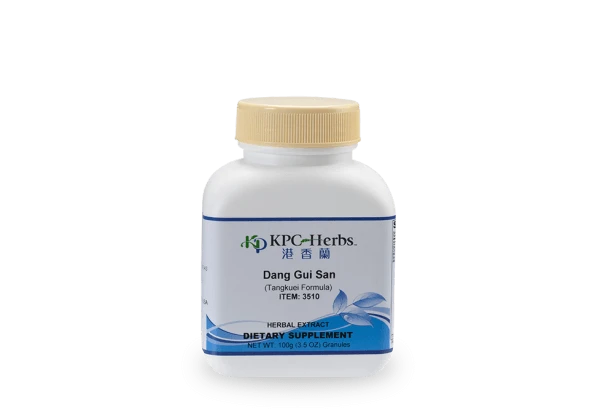
Chinese herbal extracts are concentrated versions of traditional herbal formulas. Instead of using raw or dried herbs to make teas or decoctions, the herbs are processed into powders, liquids or capsules for easier use. The goal is to keep the therapeutic properties of the original herbs while making them more convenient and consistent for modern lifestyles.
The extracts are typically made by boiling herbs in water, filtering the liquid and then concentrating it down. What’s left is a potent form of the original formula that can be taken in smaller doses but with the same intended effects.
How Traditional Chinese Medicine Chooses Herbs?
Traditional Chinese medicine or TCM doesn’t focus on symptoms alone. Instead, it looks at the whole body and tries to find imbalances that might be causing the problem. TCM uses tools like pulse diagnosis, tongue inspection and questioning about sleep, digestion and emotions to understand what’s going on inside the body.
Once a practitioner identifies the imbalance - whether it’s too much heat, not enough energy (Qi) or a block in blood flow—they create a formula designed to correct it. Each herb in the formula has a role. Some herbs treat the root cause, others support the body’s recovery and a few help balance the formula or reduce any potential side effects.
What’s Inside Chinese Herbal Extracts?
Each extract typically contains multiple herbs. These combinations are carefully chosen so the herbs work well together. Here are a few commonly used herbs and their traditional functions:
- Dang Gui (Angelica sinensis): Nourishes the blood and supports circulation, especially for women’s health.
- Huang Qi (Astragalus): Strengthens the immune system and boosts energy or Qi.
- Gan Cao (Licorice root): Harmonizes other herbs, reduces toxicity and supports digestion.
- Chuan Xiong (Ligusticum): Moves blood and Qi, often used for headaches and improving circulation.
- Ling Zhi (Reishi mushroom): Calms the spirit, supports sleep and strengthens the immune system.
These herbs are rarely used alone. Instead, they’re blended in specific ratios to create balance and target both the symptoms and the root cause of a condition.
Why These Formulas Work Together?
One of the unique aspects of traditional Chinese medicine is the belief in synergy. Herbs are chosen not just for their individual effects, but for how they interact with one another. Some may enhance the effectiveness of others, while a few may moderate stronger ingredients to reduce the chance of side effects.
This system is different from Western herbalism or pharmaceutical approaches, which often focus on single active ingredients. In contrast, Chinese formulas are designed as a whole, where every component plays a role in supporting the body’s balance.
Modern Uses and Applications:
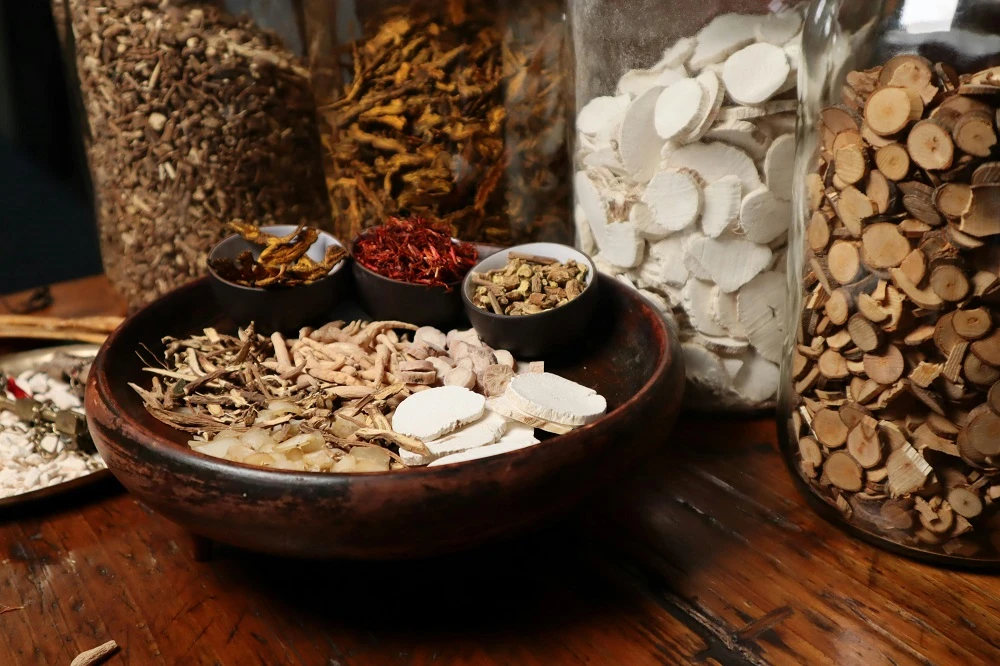
Today, Chinese herbal extracts are used to support a wide range of health concerns, including stress, digestion, immunity, sleep issues and chronic fatigue. Many people turn to them when conventional treatments don’t fully address their symptoms or when they prefer a more natural, holistic approach.
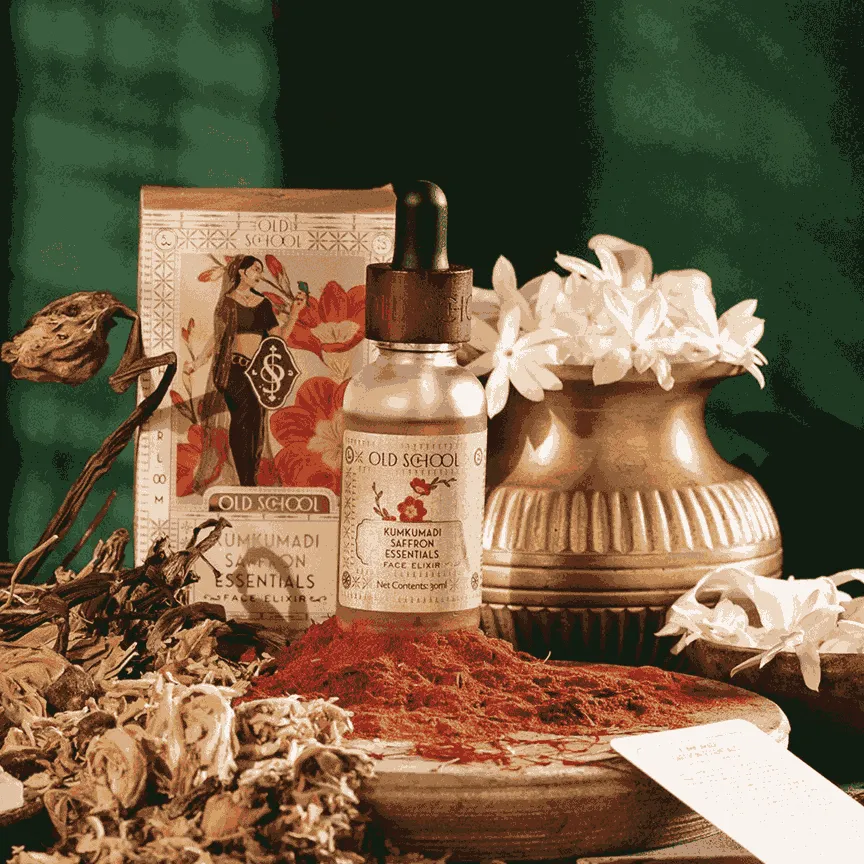
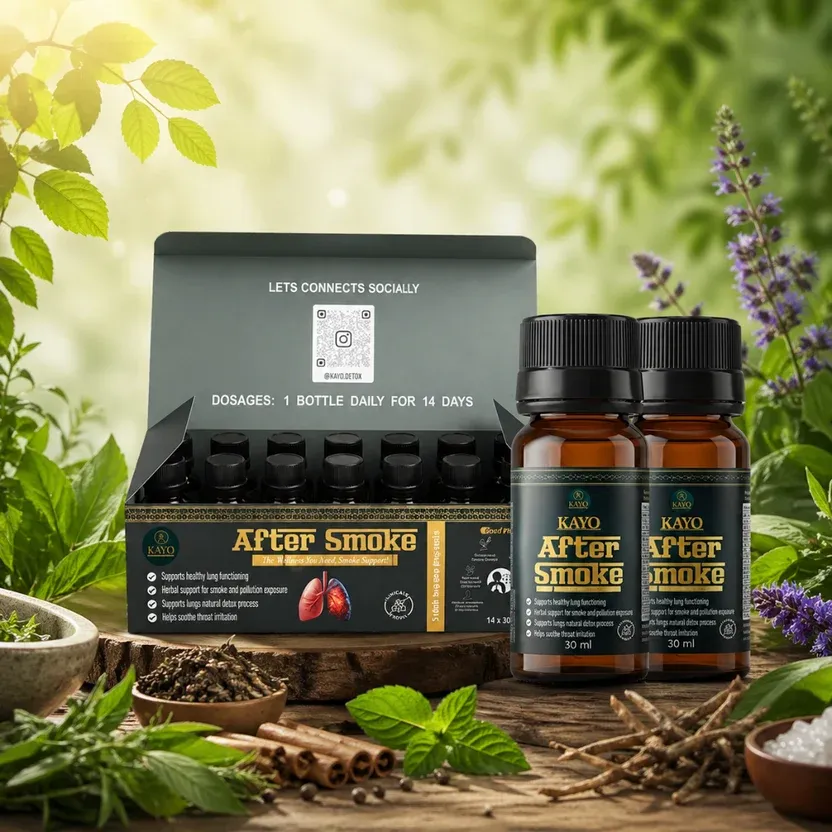
With modern manufacturing processes, these extracts are now available as pills, powders or liquid drops. This makes them easier to use and more consistent in quality than traditional decoctions. Many reputable brands also follow strict safety standards and test their products for purity, ensuring consumers get clean, high-quality formulas.
Things to Consider Before Using Herbal Extracts!
Although Chinese herbal extracts come from natural sources, they are powerful and should be used responsibly. It’s important to understand that TCM works best when formulas are matched to your body’s specific needs. That’s why it’s highly recommended to consult a trained TCM practitioner rather than choosing a product based on symptoms alone.
Additionally, people who are pregnant, taking prescription medications or dealing with serious health issues should always check with a healthcare provider before starting any herbal regimen. Some herbs can interact with medications or may not be suitable for everyone.
Conclusion
Chinese herbal extracts are more than just a blend of plants. They represent centuries of knowledge and a deep understanding of how the body works as a whole. Traditional Chinese medicine takes a unique approach by focusing on balance, harmony and the root causes of illness rather than just the symptoms.
If you’re interested in exploring more natural ways to support your health, learning what’s inside these herbal extracts is a great place to start. With guidance from a trained professional and the right formula for your body, Chinese herbal medicine can offer gentle, effective support rooted in time-tested tradition.

























Sign in to leave a comment.