If you’ve ever noticed your drinking water tastes “off” or leaves white spots on glasses, chances are, it’s related to TDS — or Total Dissolved Solids. TDS is one of the most important factors that define your water quality, yet most people aren’t aware of what it really means or how to measure it.
In this blog, we’ll break down everything you need to know — from what TDS is, what level is safe for drinking, how water filters like RO systems affect it, and how to check your TDS at home using a TDS Meter.
1. What Is TDS (Total Dissolved Solids)?
TDS stands for Total Dissolved Solids, which refers to the inorganic salts and small amounts of organic matter present in water. These solids include minerals like calcium, magnesium, sodium, potassium, bicarbonates, chlorides, and sulfates.
They can come from:
- Natural sources like rocks and soil
- Municipal water treatment chemicals
- Industrial waste or old plumbing systems
A higher TDS level doesn’t always mean “unsafe,” but it definitely influences the taste, hardness, and purity of your water.
2. What Is a Good TDS Level for Drinking Water?
According to the World Health Organization (WHO) and BIS (Bureau of Indian Standards), here’s how TDS levels generally affect drinking water quality:
TDS Level (mg/L)Water Quality
- Below 50- Excellent (very low mineral content)
- 50 – 150- Good – Ideal for drinking
- 150 – 300- Fair – Acceptable taste
- 300 – 500- Poor – Slightly salty taste
- Above 500- Unsafe – Not recommended for consumption
So, the ideal TDS range for drinking water is 50–150 ppm.
3. How Is Water Filtered to Control TDS?
There are several ways to reduce or control TDS levels depending on your water source. Let’s look at the most common ones:
a. Reverse Osmosis (RO) Systems
RO systems use a semi-permeable membrane to remove up to 90–99% of TDS from water. It’s one of the most effective methods for reducing dissolved solids, heavy metals, and contaminants.
b. Distillation
Distillation involves boiling water and collecting the vapor — leaving impurities and solids behind. It’s effective but not practical for everyday home use.
c. Deionization
This method uses ion-exchange resins to replace unwanted ions (like calcium or magnesium) with hydrogen or hydroxyl ions. It’s used mostly in labs and industrial applications.
d. Activated Carbon Filters
These filters don’t reduce TDS but improve taste and odor by removing chlorine and organic compounds. They’re often used alongside RO systems.
4. What Is a TDS Water Filter for Home?
A TDS water filter is typically an RO-based purifier designed to reduce excess minerals and salts from tap water. It’s ideal for areas with hard or mineral-rich water.
When choosing one for your home:
- Check your source water TDS level using a TDS Meter first.
- If the reading is above 500 ppm, go for an RO system.
- If it’s between 100–300 ppm, an activated carbon + UV filter combo works well.
5. What About Tap Water Quality?
Tap water quality varies widely depending on your city’s supply system and pipelines. Even if it meets safety standards at the source, contaminants can enter during distribution.
That’s why regularly testing your tap water with a TDS meter is essential. It helps you:
- Monitor changes in water quality
- Know when to replace filters
- Ensure your family’s drinking water stays safe
6. What Is a TDS Meter and Why Do You Need One?
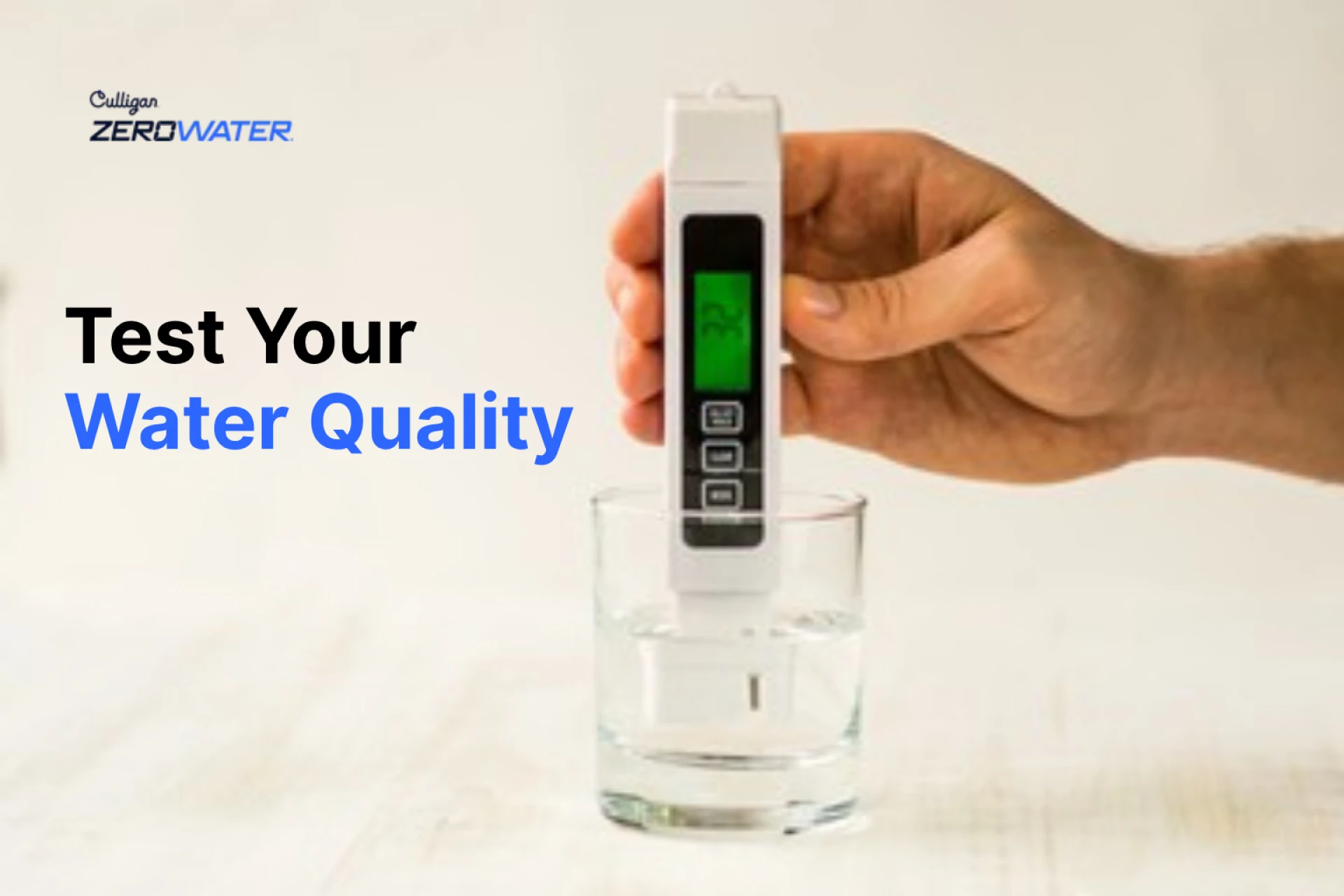
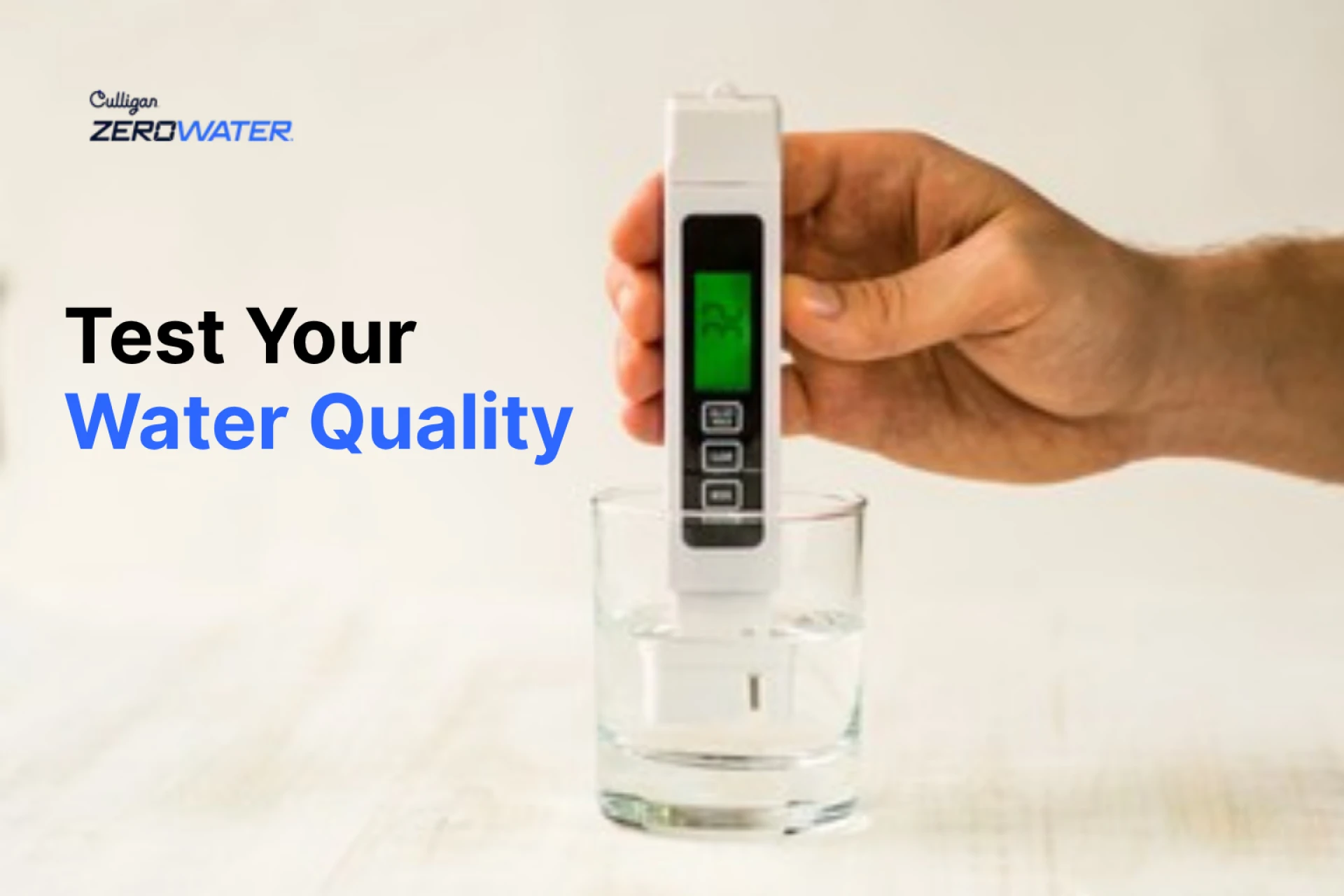
A TDS Meter is a small, handheld device that measures the Total Dissolved Solids in your water within seconds. It’s a quick and accurate way to check if your filter is working properly or if your tap water is safe to drink.
How to Use a TDS Meter:
- Fill a glass with water.
- Turn on the meter and dip the sensor in.
- Wait for a few seconds until the reading stabilizes.
- Compare your reading with the TDS chart above.
7. Why Choose the ZeroWater TDS Meter?
If you’re serious about monitoring water quality, the ZeroWater TDS Meter is designed for accuracy and convenience.
- It gives instant readings of your water’s purity.
- Helps you track your RO filter’s performance.
- Compact, digital, and easy to use — even for beginners.
- Perfect for home, office, and lab use.
Whether you want to ensure your RO filter is working efficiently or just want to check the purity of your drinking water, the ZeroWater TDS Meter is your go-to tool.
8. Final Thoughts: Keep Your Water Clean, Clear, and Healthy
Understanding TDS isn’t just about numbers — it’s about knowing what’s in your water and making informed choices for your family’s health.
With the right water filter and a reliable TDS meter, you can enjoy pure, great-tasting water every day without worry.
Ready to test your water’s purity?
Check out the ZeroWater TDS Meter and get accurate results in seconds.
























Sign in to leave a comment.