

The under-eye area is one of the first parts of the face where people notice small changes. A slight hollow or shadow beneath the eyes may make someone appear tired, even after proper rest. For individuals who want to improve this area, treatments such as tear trough fillers are often discussed.
Before choosing any cosmetic procedure, it is important to understand how the treatment works and what results to expect. Learning about tear trough fillers can help patients make informed decisions and approach the treatment with realistic expectations.
Understanding the Tear Trough Area
The tear trough is the groove that runs from the inner corner of the eye down towards the upper cheek. This line is a natural part of facial anatomy, but its depth varies from person to person.
As time passes, the skin beneath the eyes may become thinner and lose some of its natural support. In addition, small changes in facial volume can make the hollow more noticeable.
These changes may create shadows that resemble dark circles. Treatments using tear trough fillers aim to soften the hollow and create a smoother transition between the lower eyelid and the cheek.
How Tear Trough Fillers Work
Most tear trough fillers use hyaluronic acid, a substance that naturally occurs in the body. Hyaluronic acid helps maintain hydration and structure within the skin.
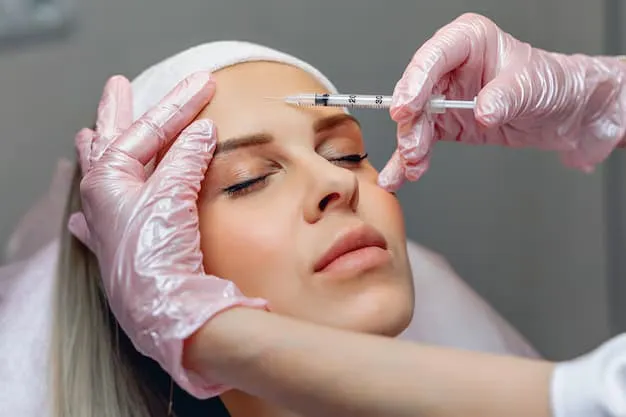
During the procedure, a practitioner injects a small amount of filler beneath the skin in the tear trough area. This gentle volume lifts the hollow and reduces the shadow that forms beneath the eye.
Because hyaluronic acid attracts water, tear trough fillers can also improve the smoothness of the skin in the treated area.
The treatment does not permanently change the face. The body gradually breaks down the filler over time, which means the effects are temporary.
Why Consultation Is Important
A consultation is one of the most important steps before receiving tear trough fillers.
During this appointment, the practitioner examines the under-eye area carefully. They assess skin thickness, facial structure, and the depth of the tear trough.
Not every patient is an ideal candidate for tear trough fillers. In some cases, under-eye concerns may be related to skin pigmentation or other factors that require a different approach.
The consultation also allows patients to discuss their expectations. Understanding what tear trough fillers can realistically achieve helps ensure satisfaction with the results.
What Happens During the Procedure
Patients receiving tear trough fillers usually begin with a brief preparation stage.
The practitioner may clean the area and apply a numbing cream to reduce discomfort. The filler is then placed beneath the skin using a fine needle or specialised instrument.
The amount used in tear trough fillers is usually small because the under-eye area is delicate.
The procedure itself typically takes a short appointment. After the injections, the practitioner may gently smooth the area to ensure the filler is evenly distributed.
What to Expect After Treatment
After receiving tear trough fillers, patients may notice mild swelling or redness beneath the eyes. These reactions are common and usually temporary.
Some individuals may experience minor bruising in the treated area. Practitioners often provide aftercare advice to help manage these effects.
As swelling settles, the results of tear trough fillers become clearer. The under-eye hollow may appear softer, and the transition between the lower eyelid and cheek may look smoother.
Because the treatment uses hyaluronic acid, the results gradually fade as the body absorbs the filler.
Safety and Professional Care
The under-eye area requires careful treatment, which is why tear trough fillers should always be performed by trained healthcare professionals.
Practitioners who perform this procedure must understand facial anatomy and use precise injection techniques.
Hyaluronic acid fillers have been widely studied and used in aesthetic medicine for many years. When administered properly, tear trough fillers are generally considered safe.
Consultation allows practitioners to review medical history and ensure the treatment is suitable for the patient.
Supporting the Under-Eye Area With Healthy Habits
Although tear trough fillers can improve under-eye hollows, daily habits also affect the appearance of the skin.
Getting sufficient rest, staying hydrated, and protecting the skin from sun exposure can support the health of the under-eye area.
Using gentle skincare products designed for sensitive skin may also help maintain skin quality.
When these habits are combined with treatments such as tear trough fillers, individuals may maintain a refreshed appearance for longer.
Final Thoughts
Treatments such as tear trough fillers provide a way to address under-eye hollows and reduce shadowing beneath the eyes. By restoring small amounts of volume, the procedure can create a smoother and more balanced appearance.
Before choosing the treatment, patients should understand how tear trough fillers work, attend a professional consultation, and maintain realistic expectations. With proper guidance and careful technique, the treatment can support a refreshed look while preserving natural facial expression.






























Sign in to leave a comment.