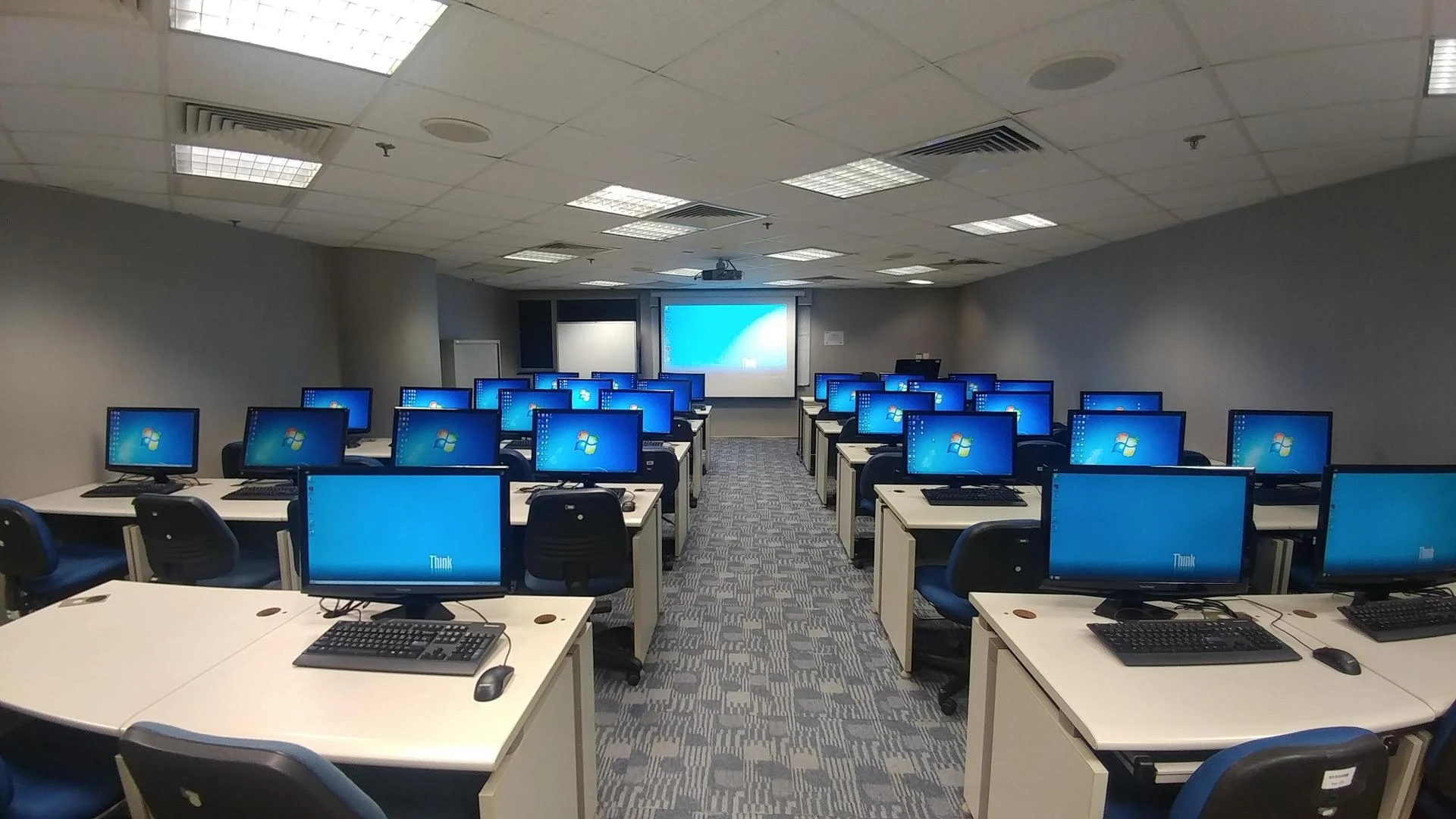

Education is changing in line with the world's rapid transformation. In today’s digital age, classrooms are no longer confined to textbooks and chalkboards. Instead, educational institutions all over the world are adopting technology to make their classrooms more dynamic, interesting, and future-focused. Smart computer classrooms, a cutting-edge strategy that combines contemporary teaching techniques with the power of digital resources, are at the center of this revolution.
However, what are smart computer classes exactly, and why are so many institutions implementing them?
What Are Smart Computer Classes?
Smart computer classes are cutting-edge, technologically integrated learning settings that make use of resources including interactive software, cloud-based platforms, high-speed internet, smart boards, and artificial intelligence (AI)-powered learning systems. In addition to teaching fundamental computer skills, these courses concentrate on:
- Digital literacy
- Creative problem-solving
- Coding and programming
- Online collaboration and communication
- Data analysis and digital research
The goal? To prepare students not just to use technology, but to thrive in a digital-first world.
Why Schools Are Switching: 5 Key Reasons
Here are the top five reasons why smart computer classes are becoming essential in modern education:
1. Boosting Student Engagement And Motivation
Especially for today's tech-savvy kids, traditional teaching approaches might occasionally feel passive or outdated. Interactive courses are introduced in smart computer classes, transforming passive students into engaged participants.
How it works:
- Interactive whiteboards let students engage with content directly.
- Gamified learning keeps students motivated and focused.
- Multimedia lessons (videos, animations, simulations) cater to different learning styles.
Result: Students are more involved, enthusiastic, and curious about learning.
2. Developing Future-Ready Skills
Students now will work as digital marketers, data analysts, software engineers, and more in the future. Students are being prepared for the practical digital skills they will need in the workplace by schools that provide smart computer classes.
Key focus areas include:
- Coding and app development
- Digital presentation and design
- Research and data evaluation
- Online collaboration using productivity tools like Google Workspace or Microsoft 365
Bonus: These classes foster critical thinking, creativity, and digital responsibility.
3. Personalized Learning Experiences
Every student has a unique learning style. Teachers can more easily customize lessons to each student's needs with the use of real-time adaptable technology in smart computer classrooms.
Examples of personalization:
- Adaptive learning software that adjusts difficulty based on student performance
- Online quizzes with instant feedback
- Self-paced modules for advanced or struggling learners
With smart computer classes, learning becomes more inclusive and supportive, helping every student succeed.
4. Preparing Teachers For The Digital Era
Students are not the only ones who gain. Additionally, educators have access to effective resources that improve their instruction and improve their teaching.
How teachers benefit:
- Use of smart boards for visual storytelling
- Automated grading and performance analytics
- Access to global resources and collaborative tools
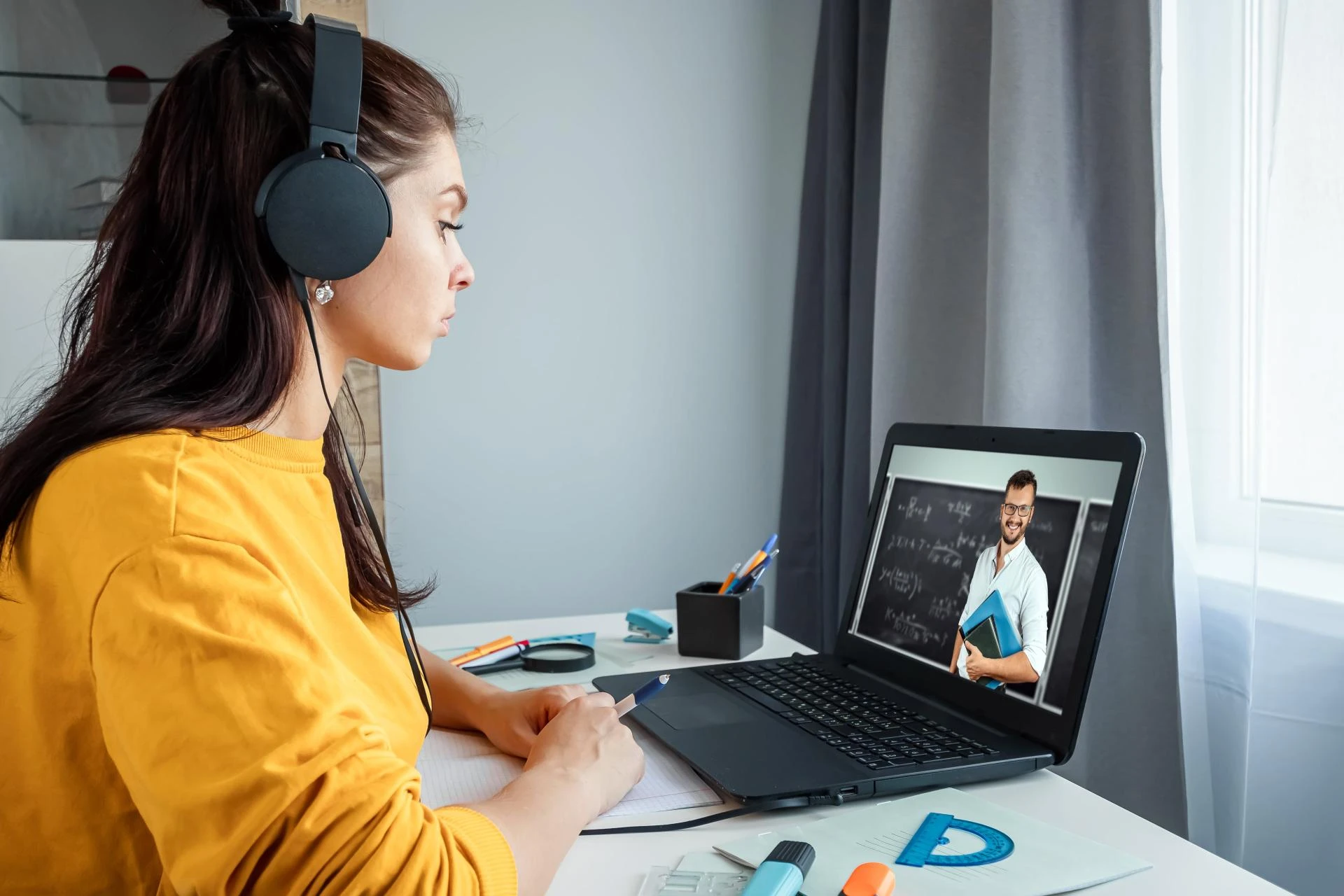
- Virtual classrooms for remote or hybrid learning setups
By integrating smart computer classes, schools also invest in upskilling their educators — making them more confident and efficient.
5. Enhancing Collaboration And Communication
Physical and geographic limits are broken down by smart computer classes. Students can interact with professionals from around the globe, collaborate on group projects, and communicate with teachers in real time.
How collaboration improves:
- Shared documents and online forums
- Video conferencing and webinars
- Virtual group assignments
This kind of learning mirrors the modern workplace, teaching students how to collaborate effectively in a digital environment.
The Role Of Smart Computer Classes In Remote Work And Time Management
Interestingly, the popularity of smart computer courses provides knowledge and abilities that are useful not only for students but also for parents supervising their children's education and distant workers.
The following are some ways that remote professionals might improve their time management and productivity using the concepts of tech-integrated learning:
- Use digital calendars and task managers to mimic classroom schedules.
- Embrace focused learning blocks and breaks just like students use Pomodoro-style timers in smart classes.
- Adopt online collaboration tools (like Slack or Trello) for clearer communication.
- Leverage cloud storage and note-taking tools (like Google Drive or Notion) to stay organized.
These practices borrowed from smart classroom models can drastically improve work-life balance and efficiency.
Overcoming The Challenges Of Smart Computer Classes
While the benefits are clear, adopting smart computer classes comes with its own set of challenges:
- Infrastructure and budget limitations in some schools
- Training requirements for teachers and staff
- Cybersecurity and data privacy concerns
However, such obstacles can be removed with careful preparation, funding, and community assistance. To make the shift, a lot of institutions are either appealing for government financing or collaborating with ed-tech companies.
Final Thoughts: A Smarter Future Begins Now
Smart computer classes are leading the continuous digital transformation of education. Schools are making learning more relevant, engaging, and powerful for both instructors and students by integrating technology with pedagogy.
The ideas underpinning smart computer classes teach flexibility, efficiency, and creativity, regardless of your role as a teacher, administrator, parent, or distant worker. This is about smarter education, smarter learning, and a smarter future, not simply about technology.

























Sign in to leave a comment.