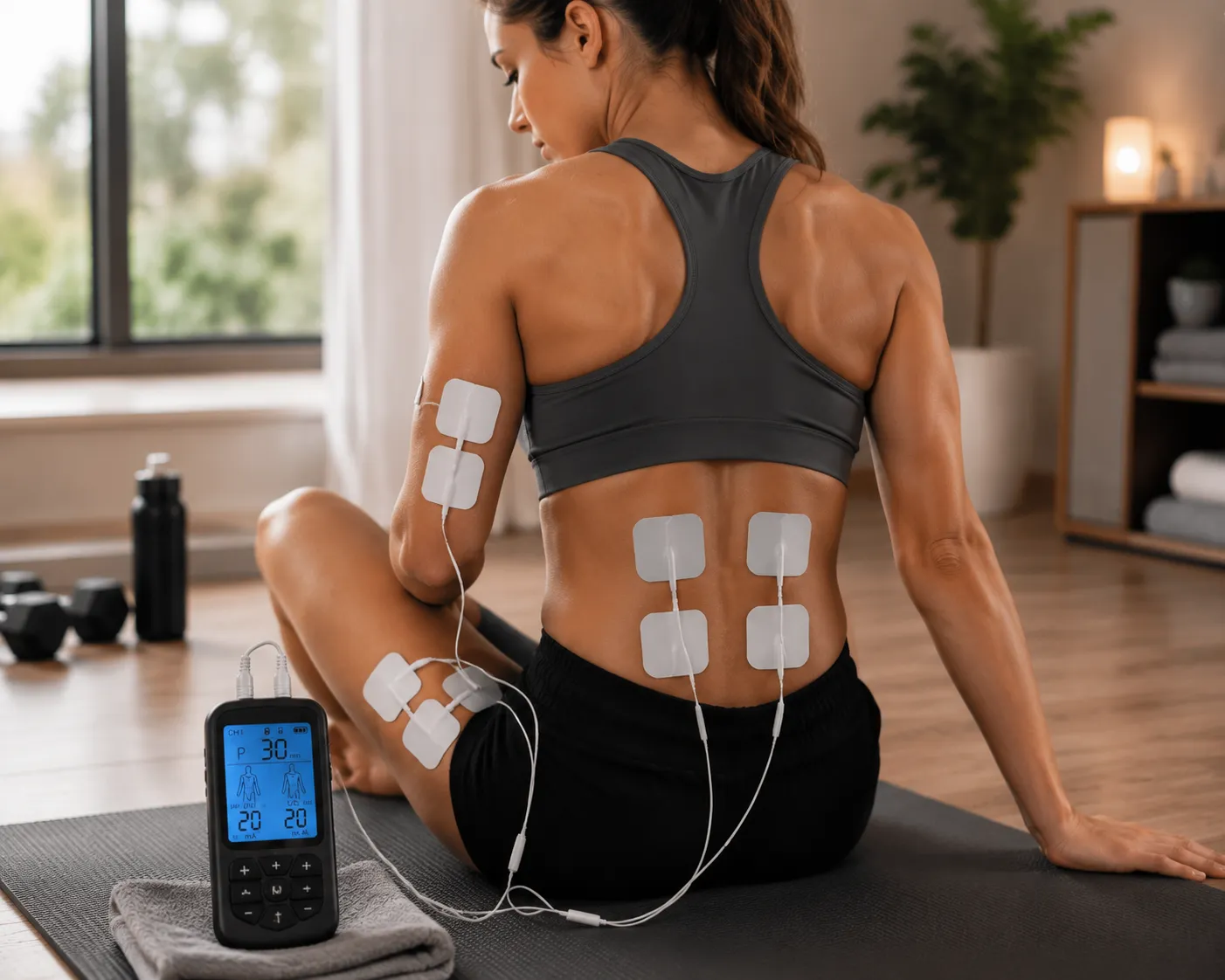

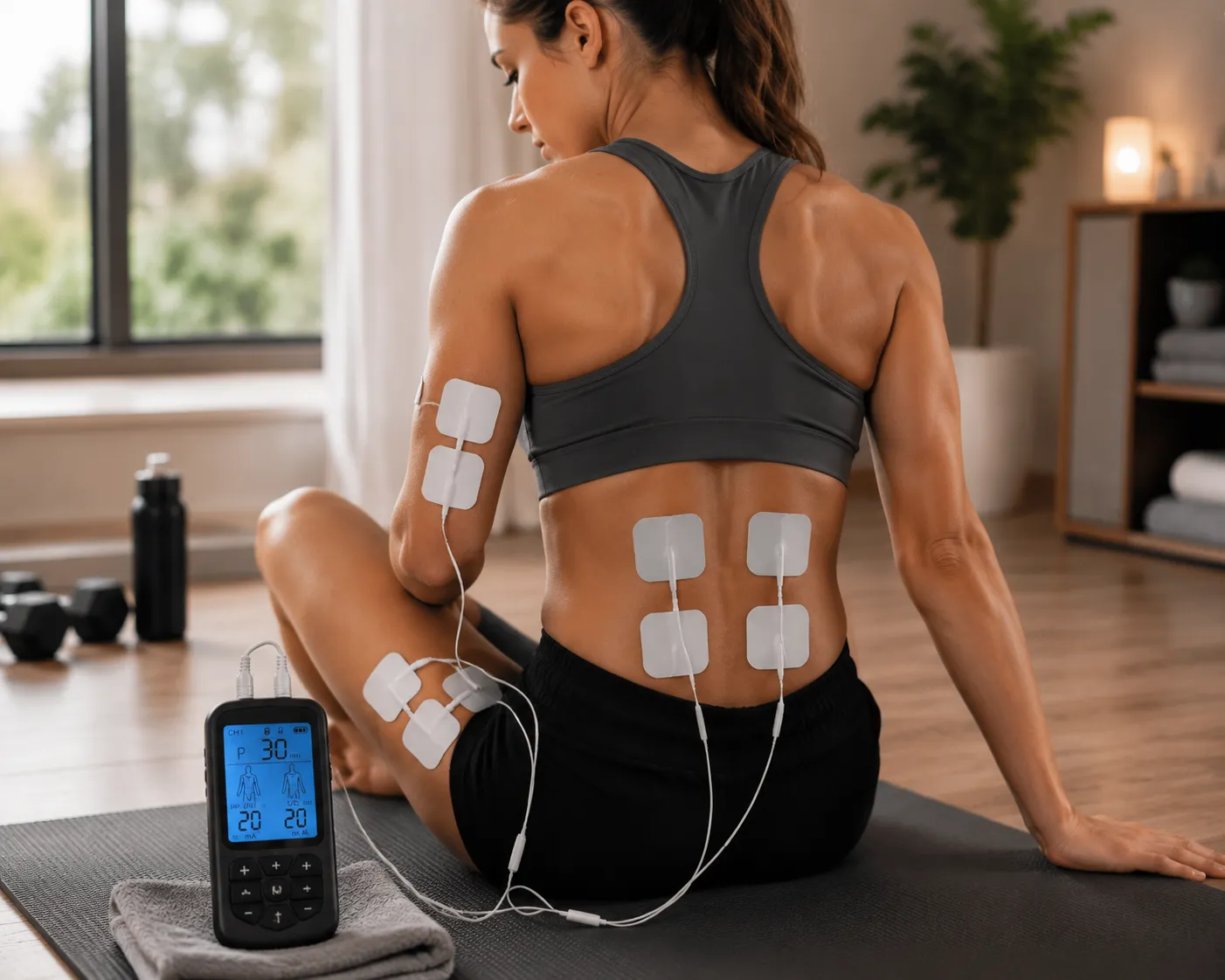
Dealing with chronic physical discomfort, muscle fatigue, or joint stiffness can make everyday activities feel overwhelming. For many individuals, finding a safe, drug-free method to manage these persistent symptoms is a top priority for improving their overall quality of life. Modern advancements in healthcare technology have made it incredibly easy to access effective, clinic-quality treatments right from the comfort of your home. Incorporating the Best TENS Machine into your daily routine is an excellent way to target specific areas of discomfort naturally, gently blocking pain signals from reaching your brain and providing you with much-needed relief without the harsh side effects of traditional medications.
Understanding Transcutaneous Electrical Nerve Stimulation
This highly popular and well-researched therapy is designed specifically to address nerve-related discomfort. By delivering tiny, painless electrical impulses through carefully placed electrode pads on the skin, it interacts directly with your body’s nervous system.
Here is how this targeted approach benefits your daily well-being:
- Pain Signal Interception: The gentle impulses essentially "close the gate" on pain signals before they can travel up the spinal cord to the brain.
- Natural Endorphin Release: The soothing electrical therapy encourages your body to release its own natural pain-relieving chemicals.
- Customizable Relief: Users can easily adjust the intensity, pulse rate, and session duration to suit their unique comfort levels and specific pain thresholds.
- Compact Portability: Most modern units are small enough to slip into a pocket or clip onto a belt, allowing you to experience relief while walking, working at a desk, or resting on the couch.
Exploring Electrical Muscle Stimulation
While nerve therapies are excellent for soothing general aches and sharp pains, they do not directly treat weakened, fatigued, or atrophied muscles. If your primary focus is on physical rehabilitation, strength building, or post-workout recovery, a completely different approach is necessary. Utilizing a high-quality EMS Machine helps create deep, involuntary muscle contractions that mimic the effects of natural physical exercise. This action actively draws nutrient-rich blood to damaged tissues and clears out lactic acid buildup much faster than passive rest alone.
The primary advantages of muscle stimulation include:
- Preventing Muscle Atrophy: This is highly ideal for individuals recovering from extensive surgery or those dealing with limited physical mobility.
- Enhanced Blood Circulation: Deep, rhythmic contractions pump fresh, oxygenated blood into localized areas, significantly speeding up the cellular repair process.
- Muscle Re-education: It helps safely retrain muscles to function correctly after a significant sports injury or prolonged period of disuse.
- Reduced Muscle Spasms: It gently and repeatedly fatigues the targeted muscle to eventually relax severe, painful spasms.
Key Differences Between the Two Therapies
Understanding the functional distinction between these two technologies ensures you select the correct tool for your specific physical needs. Nerve stimulation is primarily sensory; it focuses entirely on changing how your brain perceives physical distress. It is the go-to choice for long-term conditions like osteoarthritis, chronic back aches, and neuropathy. Muscle stimulation, on the other hand, is entirely motor-focused. It is utilized by professional physical therapists and athletes to rebuild strength, improve endurance, and maintain muscle tone.
Many people mistakenly assume that these devices are completely interchangeable, but using them for their intended medical purposes guarantees much better outcomes. Thankfully, modern technology has advanced to the point where many premium manufacturers now offer combination units. These dual-purpose devices provide both therapeutic functions in one simple package, allowing you to seamlessly switch between nerve soothing and muscle conditioning depending on what your body requires on any given day.
Practical Tips for Safe and Effective Use
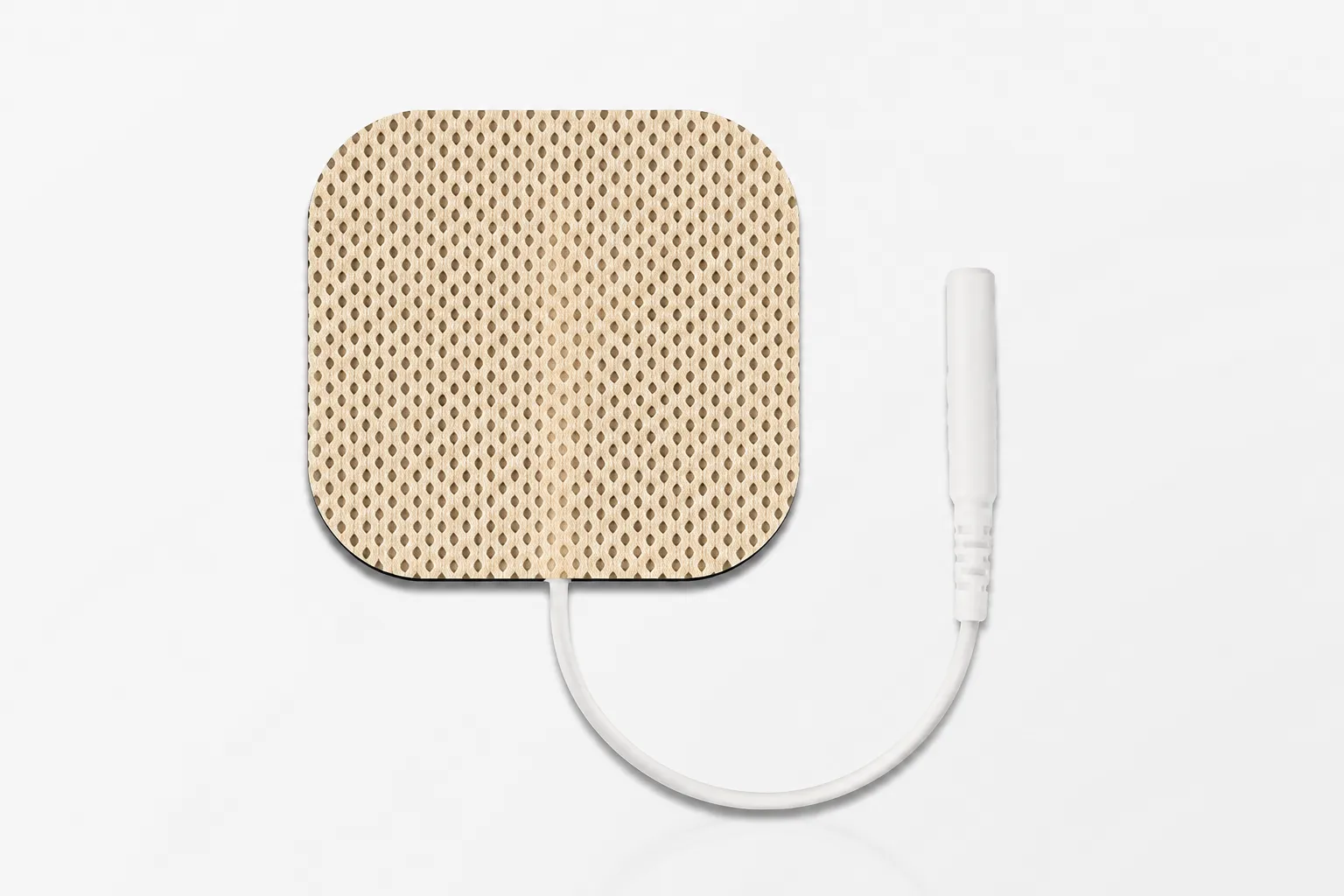
To get the absolute most out of your home therapy sessions, consistency and proper application are essential. Always ensure that your skin is completely clean, dry, and free of any lotions before applying the electrode pads, as oils can quickly degrade the adhesive over time. Position the pads exactly as recommended in your user manual, typically framing the area of discomfort rather than placing them directly on top of a protruding bone or joint. Start with a very low setting and gradually increase the power until you feel a strong but comfortable tingling sensation.
Taking Charge of Your Comfort
Empowering yourself with the right knowledge and tools is the most important step toward a healthier, more comfortable lifestyle. Whether you are aiming to soothe chronic aches or actively rebuild your physical strength after a sudden injury, electrical stimulation offers a versatile, highly effective solution. By combining these innovative home devices with a balanced diet, gentle stretching, and proper daily hydration, you can significantly elevate your overall well-being. To expand your knowledge and explore complementary strategies, learning about alternative pain relief treatments can help you continue building a personalized recovery plan that perfectly supports your journey to a pain-free life.























Sign in to leave a comment.