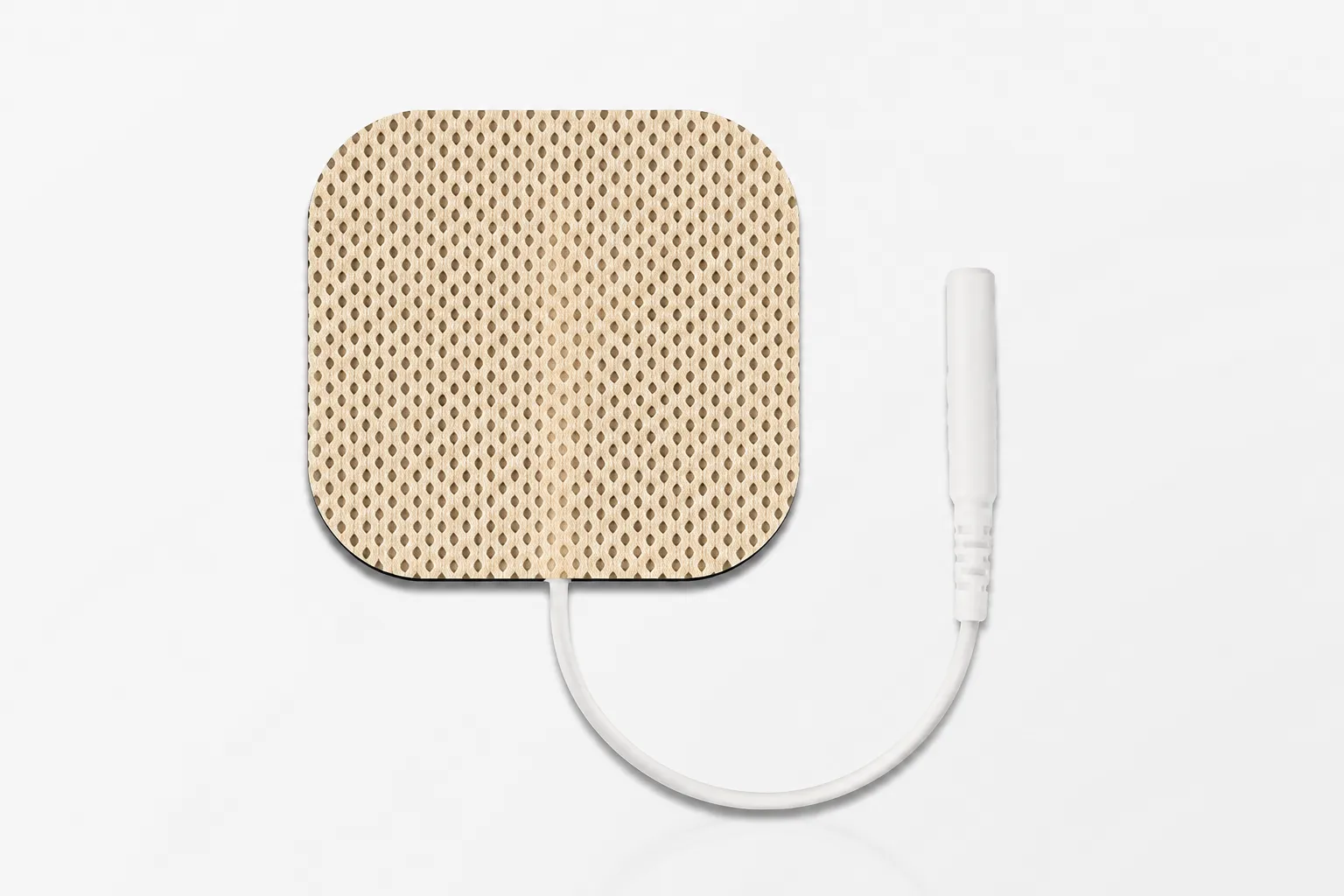

Every single day at the Homemedics Store, we help people find the right electrical nerve stimulation devices for their pain management. However, whether you are managing chronic lower back pain or recovering from a sports injury, there is one universal frustration we hear about all the time: replacement pads.
Many users find that their TENS machine pads lose their stickiness after just a handful of sessions. Buying replacements constantly can become a frustrating hidden cost.
The good news? You do not have to throw them away so quickly. By understanding how the adhesive works and implementing a few simple care routines, you can easily double or even triple the lifespan of your electrodes. Here is our complete, expert guide to keeping your pads sticky, safe, and effective.
The Science of the Stick: Understanding Hydrogel
To care for your pads, you first need to understand what makes them sticky. The adhesive layer on your TENS or EMS unit pads is not like standard tape or glue. It is made of a conductive material called hydrogel.
Hydrogel is heavily reliant on water to maintain both its stickiness and its ability to conduct electrical impulses. When the gel is perfectly hydrated and clean, the electrical current passes smoothly evenly across your skin.
However, every time you apply the pad, it acts like a microscopic sponge. It picks up dead skin cells, natural body oils, sweat, and any lotions you might be wearing. At the same time, exposure to the open air causes the water content inside the gel to evaporate. When the pad gets dirty or dries out, the hydrogel fails.
Before Your Session: The Golden Rule of Skin Prep
The absolute best way to extend the life of your pads starts before you even turn the machine on. The condition of your skin dictates how long the adhesive will survive.
Skip the Lotions and Creams
Never apply a pad over skin that has been moisturized, oiled, or treated with topical pain relief creams (like deep heat or muscle rubs). These substances immediately break down the hydrogel matrix and destroy the stickiness permanently.
Clean and Dry the Area
Always take a moment to prep the target area. Use a warm, damp cloth with a tiny bit of mild soap to wipe the skin, or use a basic alcohol swab. Crucially, allow the skin to dry completely. Applying pads to damp, sweaty skin will cause them to slide around during the session, especially if you are using an EMS setting that causes muscle contractions.
After Your Session: Maintenance and Storage Secrets
What you do the moment you turn off your device is just as important as your skin prep.
The Single Water Drop Trick
If your pads are starting to look a little dry or are losing their grip, do not throw them out just yet. Take a single drop of clean water on your fingertip and gently rub it across the sticky side of the hydrogel. Let the pad sit for about 10 to 15 minutes. This small amount of water rehydrates the gel, bringing back a surprising amount of tackiness.
Peel Carefully, Not Forcefully
When removing the pads, never pull them off by tugging on the wire lead. This damages the internal conductive mesh. Instead, lift from the edge of the pad itself and peel it back smoothly.
Airtight Storage is Mandatory
Air is the enemy of hydrogel. As soon as you remove the pads, place them directly back onto their clear plastic protective films. Do not stick them to a table, your clothes, or the device itself. Slide them into a sealed ziplock bag, press all the air out, and store them in a cool, dark place. Many of our customers swear by keeping their sealed pads in the crisper drawer of their refrigerator to preserve the moisture.
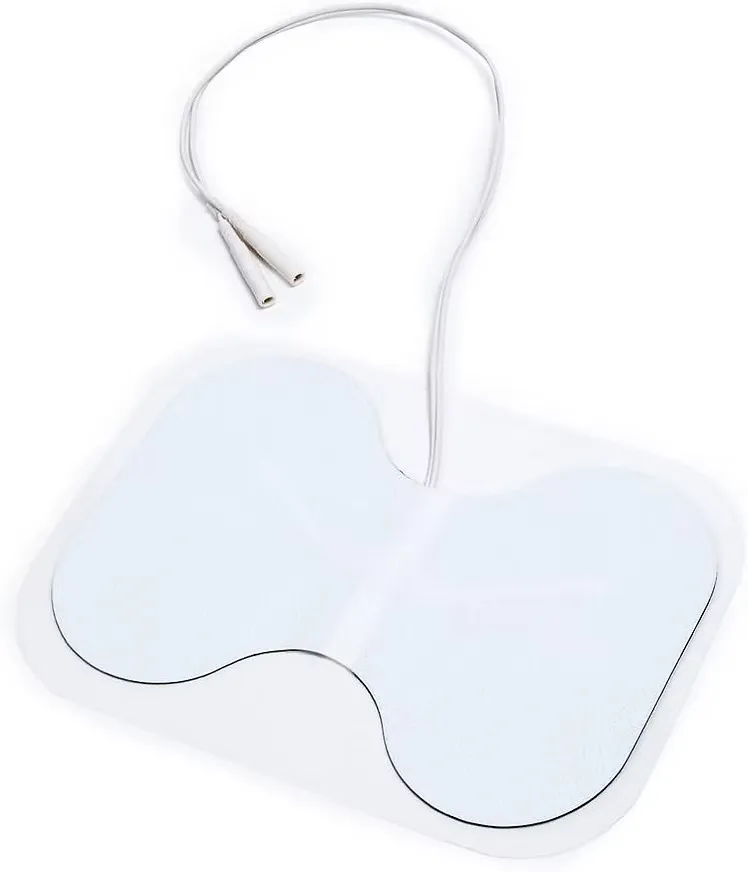
Troubleshooting: Why is My TENS Machine Stinging?
A common question we get is, "Why does my machine feel like it is biting or stinging me suddenly?"
This is the biggest warning sign of a dying pad. When the hydrogel dries out unevenly or gets clogged with skin debris, it can no longer spread the electrical current across the whole pad. Instead, the electricity searches for the path of least resistance, arcing through the few remaining sticky spots. This concentrated burst of electricity causes a sharp, stinging sensation rather than a smooth massage. If you feel this zapping, your pad is no longer safe to use.
Knowing When to Finally Replace Them
Even with perfect care, TENS pads are a consumable item and will eventually degrade. It is time to replace them when:
- The edges curl up and refuse to stick to your skin.
- The gel feels completely dry, rough, or slimy.
- You experience that sharp, uncomfortable stinging sensation.
- The device feels weaker than usual, even when turned up to high intensities.
Finding Quality Replacements in Australia
When it is finally time to get a fresh set, be smart about your purchase. At the Homemedics Store, we always recommend investing in devices that use standard, universal pin-style connectors.
Generic machines often trap you into buying expensive, proprietary pads that only fit their specific unit. By choosing standard universal pads, you ensure you can always access high-quality, medical-grade hydrogel without overpaying.
Taking a few extra seconds to clean your skin and properly store your equipment will save you significant money in the long run, ensuring your home recovery journey remains both effective and affordable.

























Sign in to leave a comment.