
The growing demand for clothing, home furnishings, and industrial textiles has contributed to a significant increase in textile waste worldwide. In Australia, discarded clothing and textile products have become one of the fastest-growing waste streams, creating environmental challenges for businesses, governments, and consumers alike. Effective textile recycling in Australia is becoming increasingly important as the country works toward a circular economy that prioritizes waste reduction, resource recovery, and sustainable manufacturing.
Instead of sending unwanted textiles to landfill, recycling programs recover valuable fibres and materials that can be transformed into new products. Advances in recycling technology, improved collection systems, and stronger environmental policies are helping improve textile recycling in Australia, although challenges such as mixed-fibre fabrics and limited processing infrastructure remain. As industries continue investing in sustainable practices, textile recycling is expected to play an increasingly important role in reducing environmental impacts and conserving valuable resources.
What Is Textile Recycling?
Textile recycling is the process of collecting, sorting, processing, and repurposing used or discarded textile materials into reusable fibres, fabrics, or other products.
Common materials accepted for recycling include:
- Cotton clothing
- Wool garments
- Polyester fabrics
- Denim products
- Bedding and linens
- Towels
- Industrial textiles
- Fabric offcuts
Recycling extends the useful life of textile materials while reducing demand for virgin raw materials.
Why Textile Recycling Matters
Implementing effective textile recycling in Australia provides numerous environmental and economic benefits.
These include:
- Reducing landfill waste
- Conserving natural resources
- Lowering greenhouse gas emissions
- Supporting the circular economy
- Recovering valuable fibres
- Reducing demand for new raw materials
- Creating new recycling opportunities
Australia continues to develop initiatives that encourage greater textile recovery and resource efficiency as part of broader sustainability goals.
Challenges Facing Textile Recycling
Despite growing awareness, several obstacles continue to affect textile recycling.
Some of the most common challenges include:
- Mixed-fibre fabrics that are difficult to separate
- Limited domestic recycling infrastructure
- Inadequate collection systems
- Consumer awareness gaps
- Contamination from non-textile materials
- High processing costs
Research shows that improving collection, processing capacity, and public awareness will be critical to expanding Australia's textile recycling industry.
The Textile Recycling Process
Most recycling systems follow several key stages.
Collection
Textiles are collected from households, businesses, retailers, charities, and manufacturers.
Sorting
Materials are sorted according to fibre type, colour, quality, and potential reuse applications.
Processing
Depending on the material, textiles may undergo mechanical or chemical recycling to recover usable fibres.
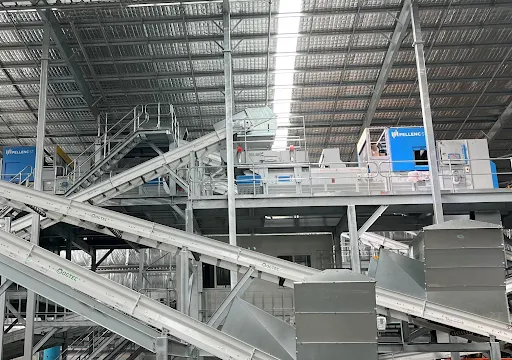
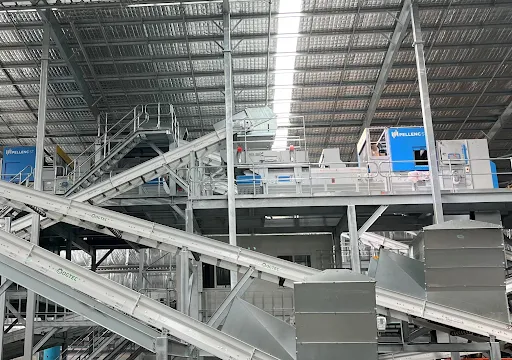
Many facilities now utilise advanced textile waste recycling machine technologies to improve sorting accuracy, increase processing efficiency, and recover more recyclable materials.
Manufacturing
Recovered fibres are used to manufacture products such as insulation, industrial cloths, carpet underlay, cleaning materials, and in some cases, new textiles.
Industries Supporting Textile Recycling
Textile recycling benefits a wide range of industries, including:
- Fashion and apparel
- Hospitality
- Healthcare
- Manufacturing
- Retail
- Construction
- Automotive
- Commercial laundries
These industries generate significant textile waste that can often be diverted from landfill through appropriate recycling programs.
Best Practices for Businesses
Organisations seeking to improve textile recycling in Australia should consider:
- Conducting textile waste audits
- Separating recyclable materials
- Reducing textile waste during production
- Partnering with recycling providers
- Training employees on waste segregation
- Monitoring recycling performance
These practices improve resource recovery while supporting sustainability objectives.
The Role of Technology
Technology continues to transform textile recycling through:
- AI-assisted sorting
- Fibre identification systems
- Automated material separation
- Advanced shredding equipment
- Digital waste tracking
- Chemical fibre recovery
These innovations increase recycling efficiency while reducing contamination and material loss.
Australia's Move Toward a Circular Economy
Australia is increasingly embracing circular economy principles that focus on keeping materials in use for as long as possible. Government initiatives, research institutions, and private organisations are working together to improve textile collection systems, expand recycling capacity, and encourage more sustainable consumption.
Strengthening textile recycling infrastructure will help reduce landfill waste while supporting innovation and resource efficiency across the country.
Tips for Consumers
Individuals can also contribute to better textile recycling by:
- Donating wearable clothing
- Repairing garments before replacing them
- Purchasing durable products
- Recycling damaged textiles through approved programs
- Supporting sustainable fashion choices
Small actions by consumers can collectively reduce the volume of textiles entering landfill.
Conclusion
Effective textile recycling in Australia is essential for reducing waste, conserving natural resources, and supporting a more sustainable future. Businesses and consumers alike can contribute by adopting responsible disposal practices, supporting recycling initiatives, and investing in innovative recycling solutions that maximise resource recovery while protecting the environment. As recycling technologies continue to improve and participation increases across industries and communities, Australia is well positioned to strengthen its circular economy and reduce the environmental impact of textile waste.
























Sign in to leave a comment.