
Deciding whether to rent or buy a home is a major decision that can have a significant impact on your finances and your lifestyle. Both options have their advantages and disadvantages, and what’s right for one person may not be right for another. In this article, we’ll explore the pros and cons of renting vs buying a home to help you make an informed decision that’s right for you.
Why Deciding Whether To Rent Or Buy Is A Major Financial Decision
Deciding whether to rent or buy a home is likely to be the biggest financial decision most people make in their lifetime. Buying a home requires a substantial upfront investment, usually in the form of a down payment, as well as ongoing payments for mortgage, insurance, and maintenance. These costs can be substantial and can consume a large portion of a family’s income. By contrast, renting a home has lower upfront costs, but offers no potential for long-term wealth building.
When deciding whether to rent or buy a home, families should consider their financial goals and resources, as well as their lifestyle preferences. For example, families who want to build equity and are able to secure a mortgage with an affordable payment may be better off buying a home.
On the other hand, families who prefer flexibility and who do not have the funds for a down payment may be better off renting. Ultimately, the decision of whether to rent or buy should be based on careful consideration of the family’s financial goals, resources, and preferences. We’ll take a look at the pros and cons of each option below.
Pros And Cons Of Renting Vs Buying A Home
When deciding whether to rent or buy your home, there are several pros and cons of each option, including the following;
Affordability
One of the most significant factors to consider when deciding whether to rent or buy a home is affordability. Renting is generally more affordable in the short term since you won’t need to come up with a large down payment or pay for closing costs. However, in the long term, buying a home can be more affordable since you’ll be building equity and won’t be subject to rent increases.
Flexibility
Renting offers more flexibility since you can typically move out of a rental property with relatively short notice. This is especially useful if you’re unsure about your long-term plans, such as whether you’ll be staying in a particular city or if you’re anticipating a job change. Buying a home, on the other hand, is a more permanent commitment that may make it more difficult to move in the future.
Maintenance and Repairs
When you rent a home, the landlord is responsible for most maintenance and repairs. This can be a significant advantage since it means you won’t need to pay for unexpected repairs or replace appliances. However, when you own a home, you’ll be responsible for all maintenance and repairs, which can be costly and time-consuming.
Building Equity
One of the main advantages of buying a home is that you’ll be building equity in the property. As you make mortgage payments, you’ll be paying down the principal, which means that you’ll own more and more of the home over time. This can be a valuable asset that can help you build wealth over the long term.
Tax Benefits
Homeownership offers several tax benefits, such as the ability to deduct mortgage interest and property taxes from your income taxes. While these benefits can be significant, they should be weighed against the costs of owning a home, such as property taxes, maintenance, and repairs.
Saving For A House Deposit
Saving for a house deposit can be a significant challenge, but there are several strategies that can help you reach your goal. Here are some steps you can take to save for a house deposit:
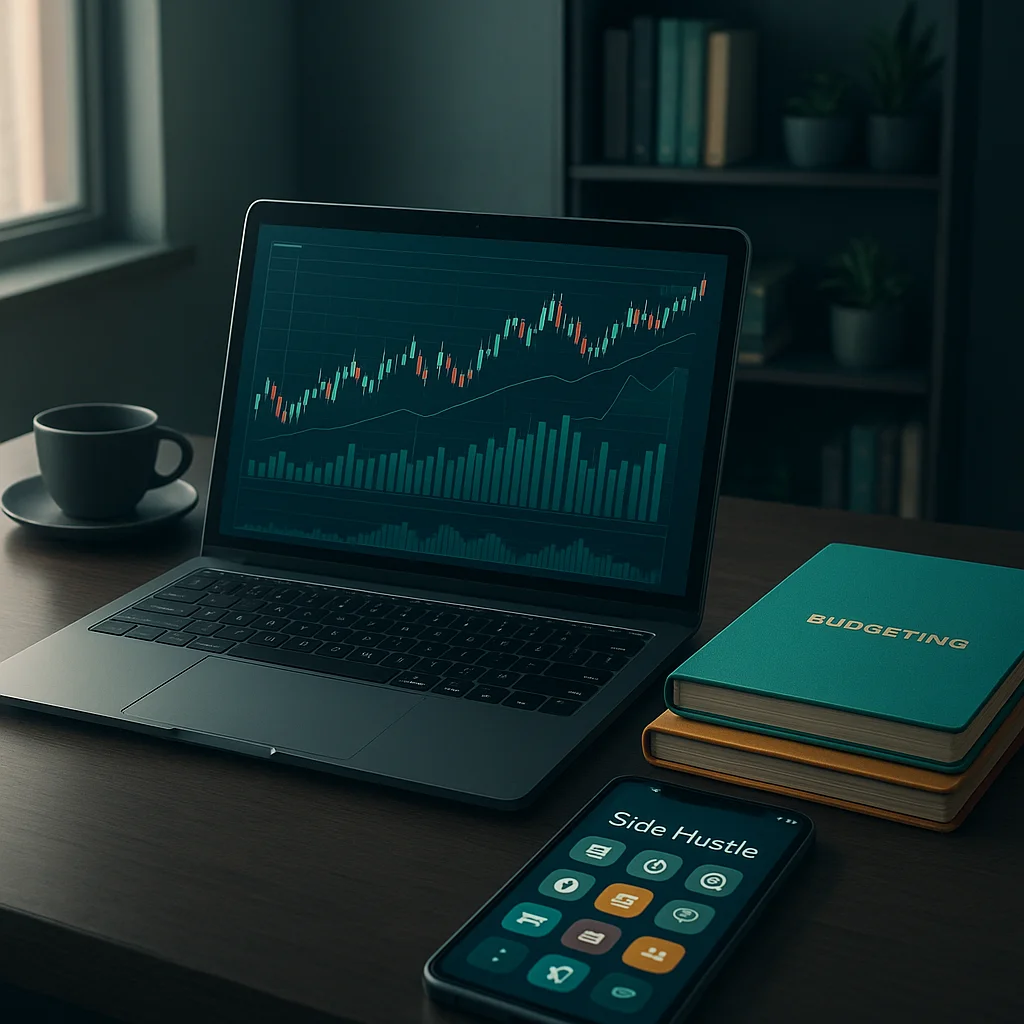
Determine how much you need to save: The amount you need to save will depend on the price of the home you want to buy, as well as the percentage of the purchase price that your lender requires as a deposit. Calculate this amount and set a realistic savings goal.Create a budget: Creating a budget involves reviewing your income and expenses to determine how much you can realistically save each month. Consider ways to cut back on unnecessary expenses and redirect those funds towards your savings.Open a separate savings account: Consider opening a separate savings account specifically for your house deposit. This can help you track your progress and avoid the temptation to dip into your savings for other expenses.Look for ways to increase your income: Consider taking on a side hustle or part-time job to increase your income and accelerate your savings.Consider government assistance: In some countries, there may be government assistance programs that can help you save for a house deposit, such as first-time homebuyer grants or tax incentives.Explore savings options: Consider putting your savings into a high-interest savings account or investment vehicle that can help your money grow faster. However, it’s important to be aware of the risks and fees associated with these options and the time horizon required.Stay focused: Saving for a house deposit can take time and discipline, but staying focused on your goal can help you reach it faster. Consider setting smaller milestones along the way to keep yourself motivated and celebrate your progress.Remember, the process of saving for a house deposit is a marathon, not a sprint. Be patient, stay focused, and keep working towards your goal.





















Sign in to leave a comment.