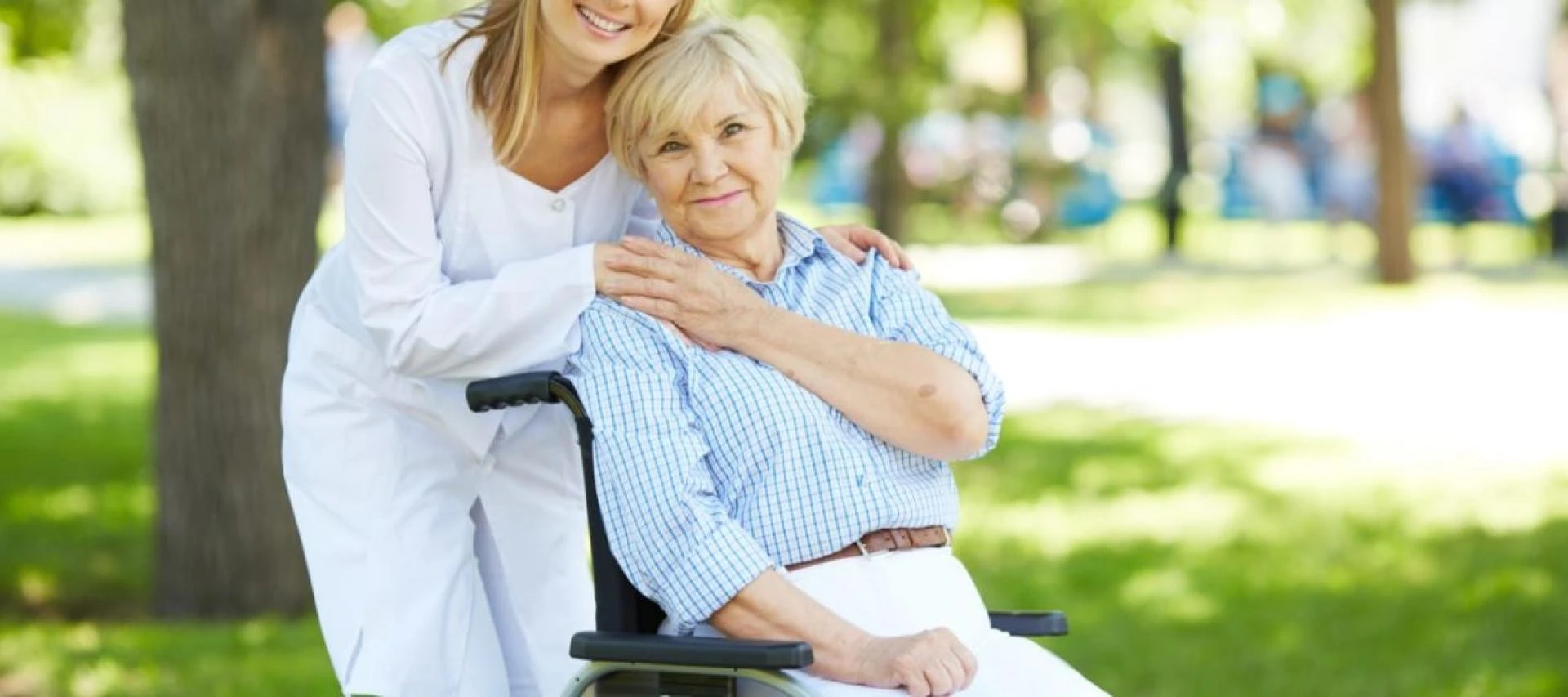

There are many people who concur that "there's no place like home," including Dorothy, the lead character in the classic Wizard of Oz. According to a recent nationwide survey by the American Association of Retired Persons, more than 76 percent of respondents aged 50 and older desire to remain in their present homes or communities for an extended period of time. 34 percent of seniors who took part in the research said they thought house improvements will be necessary to accommodate their increasing physical and health requirements as they aged. Despite the costs involved, many people are nevertheless eager to make these changes.
According to studies on ageing in place, older people who remain at home can take use of a number of advantages that might otherwise be unavailable to them if they moved into a facility. Here, we provide a thorough explanation of the benefits patients receive from staying at home, as well as how hired caregivers can be of assistance:
Higher Independence
Compared to those who reside in nursing homes or assisted living facilities, older folks who stay in their homes have a lot more freedom and independence. Although moving from an apartment or private house to a senior living community or skilled nursing facility may immediately address safety and health concerns, the trade-offs might be significant for older people who are still able to live independently for the most part. Living in another person's space necessitates abiding by their rules, which may include adhering to specified meal times, regimented activity routines, and several other requirements that may not be well-liked.
Relationships with family and friends
Seniors can continue to stay in touch with their friends and family by maintaining the same social network as they get older. Older folks not only have the option of staying close to their friends, but they can also choose to hold social gatherings in their homes. On the other hand, facilities must implement rules and limitations that limit a resident's family members and may make them feel visiting their loved one is less than convenient, formal, or even unpleasant in an effort to uphold professional standards. Seniors can regularly host and interact with the younger generation since children are more inclined to visit their elderly parents in a familiar and comfortable setting.
Companionship
Seniors who have a hired caregiver at home have access to specialised care and ongoing company. To make sure the carers working with your loved one are qualified to tend to their physical needs and are sensitive to their emotional well-being as well. Seniors can be accompanied to appointments or outings, as well as given engaging activities and conversation, by home care services for seniors. Both the patient and their family benefit from having a properly trained companion who is dedicated to caring for your loved one while respecting your family's beliefs and dynamics.
Integrated Care
For personal and medical issues, an older adult living independently frequently needs aid and monitoring. Grooming, toileting, and other personal care requirements are handled by a highly qualified caregiver with the utmost respect for your loved one's dignity. Along with managing mealtime food considerations, encouraging daily activity, and providing medicine reminders, caregivers can be useful.
0



























Sign in to leave a comment.