
The arrival of AI-powered data analytics tools wasn’t met with cheers from every analyst. A survey by Forbes revealed that 38% of data analysts expressed some level of concern about AI replacing their jobs [source: Forbes survey on AI in data analysis]. Some were alarmed by the idea that their automated overlords would compute statistics and replace human knowledge. But rather than taking the place of analysts, AI is changing how we think about data. These intelligent systems aren’t here to take your job; they’re here to make you a data analysis powerhouse.
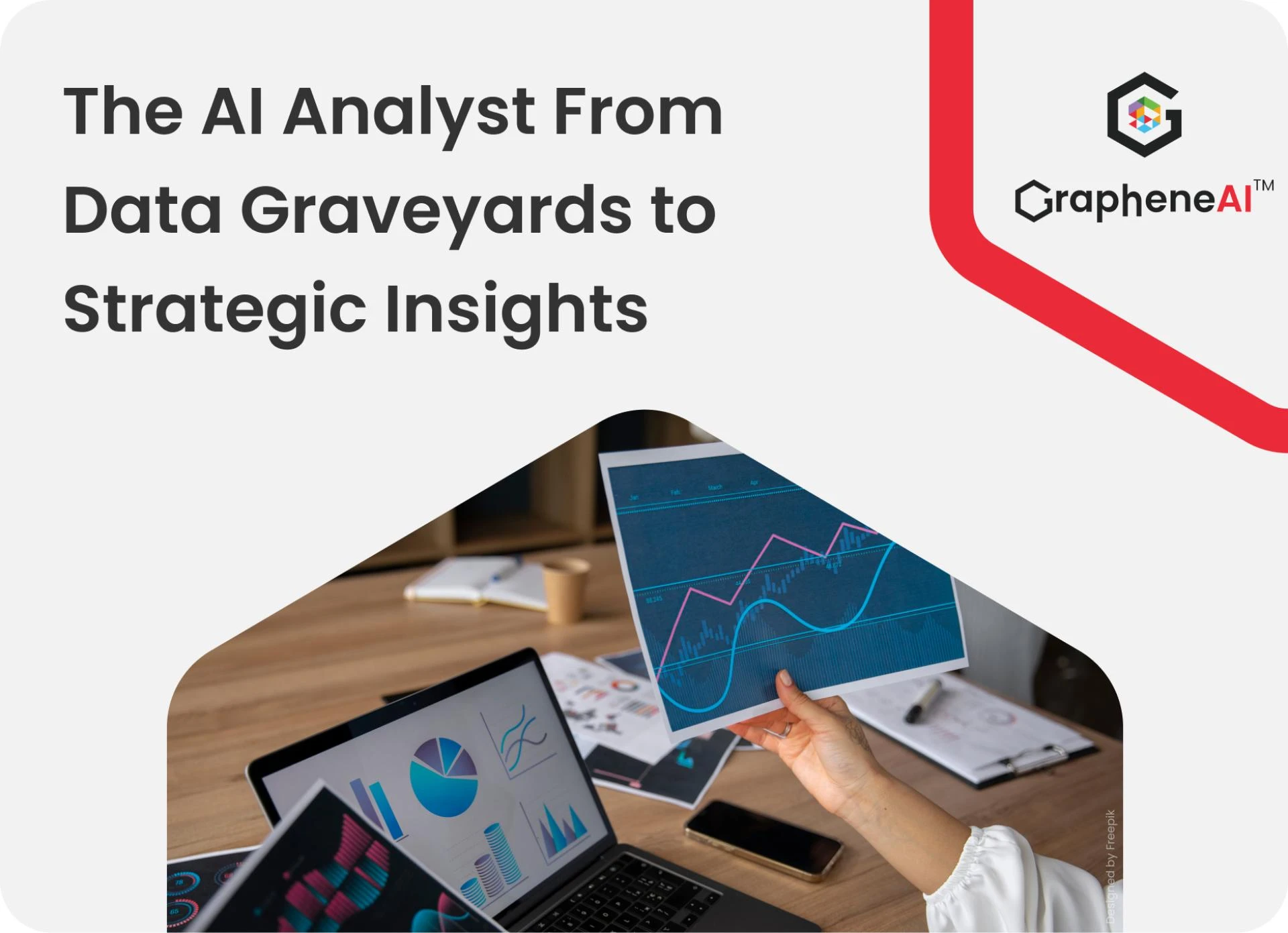
AI can automate time-consuming tasks like data cleaning and preparation, freeing you to focus on higher-level analysis and interpretation. According to a study by McKinsey, data scientists spend 80% of their time on data wrangling [source: McKinsey study on data science workflows]. It can analyze vast datasets far faster than humans, identify hidden trends and correlations, and present complex information in clear, actionable visualizations. Additionally, AI can continuously learn and improve, offering real-time insights and data, and predictions that would be impossible to achieve manually.










Sign in to leave a comment.