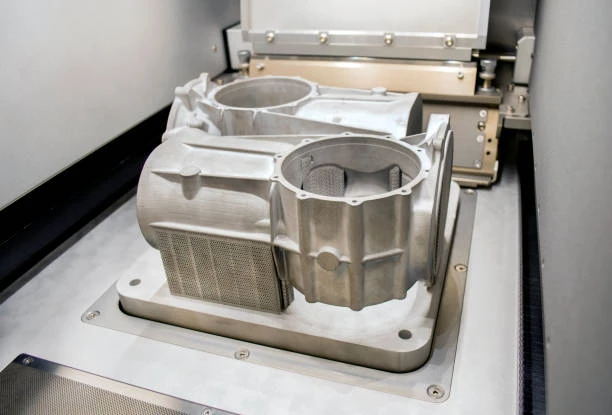

In the world of manufacturing, the production of high-quality parts and components relies on a variety of techniques and processes. Thermoforming is one such method that has gained prominence for its versatility and cost-effectiveness. This article delves into the world of thermoformed parts, thermoforming molding, and thermoformed plastics, exploring the processes, materials, and applications that make this manufacturing technique so valuable.
Understanding Thermoforming
Thermoforming is a manufacturing process used to create a wide range of products, from simple trays and packaging to complex automotive components and medical devices. At its core, thermoforming involves heating a plastic sheet until it's pliable, then shaping it into a specific form using a mold, and finally cooling it to maintain the desired shape.
The Process of Thermoforming
Thermoforming consists of several key steps:
Material Selection: The process begins with choosing the right type of thermoplastic material. Different materials have varying characteristics, including durability, flexibility, and resistance to environmental factors. Common options include PVC, PET, ABS, and polycarbonate.
Heating: The selected plastic sheet is heated until it becomes soft and pliable. This typically involves the use of radiant heaters, convection ovens, or infrared heaters, depending on the specific material and requirements.
Forming: Once the plastic is heated to the appropriate temperature, it's placed over a mold. The mold can be male (to create a cavity) or female (to create a raised surface). A vacuum is often applied to aid in drawing the material over the mold surface and shaping it accurately.
Cooling: After the plastic takes on the desired shape, it is cooled rapidly to maintain that shape. This can involve blowing cool air over the molded plastic or using a water-cooling system.
Trimming and Finishing: Excess material is trimmed away, and any necessary finishing touches, such as hole punching or printing, are applied.
Thermoforming Molding: The Heart of the Process
Thermoforming molding is the heart of the thermoforming process. The mold is responsible for giving the final product its shape and texture. The choice of mold is critical and varies depending on the product requirements.
There are two primary types of molds used in thermoforming:
Male Mold: Also known as a "positive" mold, it creates a cavity in the plastic sheet, resulting in a product with raised features. Male molds are commonly used for containers, blister packs, and clamshells.
Female Mold: Conversely, a "negative" mold creates a raised surface on the plastic sheet. Female molds are used for products like trays, lids, and covers.
Molds can be made from a variety of materials, including aluminum, steel, and composite materials. The choice of mold material depends on factors such as the production volume, budget, and specific thermoforming requirements.
Thermoformed Plastics: The Versatile Material
Thermoformed plastics are integral to the thermoforming process, and the choice of plastic material significantly influences the product's characteristics. Some common thermoplastic materials used in thermoforming include:
Polystyrene (PS): Known for its low cost and versatility, polystyrene is often used for packaging materials and disposable items.
Polyvinyl Chloride (PVC): PVC offers excellent durability and chemical resistance, making it suitable for products like medical devices and automotive components.
Polyethylene (PE): Polyethylene is highly resistant to impact and abrasion, making it a preferred choice for products requiring toughness, such as bins and containers.
Polycarbonate (PC): With its exceptional clarity and impact resistance, polycarbonate is often used in products like display cases, safety shields, and electronics components.
Acrylonitrile Butadiene Styrene (ABS): ABS is a popular choice for its balance of strength, impact resistance, and surface finish. It's used in items like automotive interior parts and consumer goods.
Applications of Thermoformed Parts
Thermoforming has a wide range of applications across various industries. Some of the key sectors that benefit from thermoformed parts include:
Packaging Industry: Thermoformed plastics are commonly used for creating blister packs, clamshells, and trays, providing cost-effective and visually appealing packaging solutions for a variety of products.
Automotive Industry: Thermoforming plays a vital role in manufacturing automotive components such as interior trim, dashboards, and under-the-hood parts due to its lightweight and durable nature.
Medical Devices: The medical industry often relies on thermoforming for producing items like sterile packaging, diagnostic components, and hospital equipment.
Aerospace: Thermoformed parts are used for cabin interior components and aircraft interior panels due to their lightweight characteristics.
Consumer Goods: From electronic device enclosures to cosmetic packaging, consumer goods often feature thermoformed plastics for their aesthetic appeal and functionality.
Food Service: Thermoformed plastics are utilized for creating food containers, trays, and utensils, offering a cost-effective and hygienic solution for the foodservice industry.
Conclusion
Thermoformed parts, thermoforming molding, and thermoformed plastics are crucial elements in modern manufacturing. The versatility, cost-effectiveness, and wide range of applications make thermoforming an attractive choice for businesses across different industries. By understanding the thermoforming process, the importance of molds, and the variety of thermoplastic materials available, manufacturers can harness the potential of this innovative manufacturing technique to create high-quality, durable, and visually appealing products. Whether it's enhancing packaging, revolutionizing automotive interiors, or providing medical solutions, thermoforming continues to shape the way we manufacture products in the 21st century.


























Sign in to leave a comment.