
Introduction
Fragrance is deeply personal. It’s a silent storyteller that whispers who we are without saying a word. But what if the perfect scent doesn’t already exist in a bottle? What if it could be uniquely yours—customized, personal, and layered to match your every mood?
Welcome to the art of fragrance layering—a creative, luxurious practice that blends essential oils with traditional perfume notes to form a scent that's one-of-a-kind. Whether you're drawn to the earthy allure of oud and musk, or the sweetness of vanilla and rose, layering opens up a world of olfactory possibilities that mass-market perfumes simply can't offer on their own.
In this guide, we’ll explore how to layer essential oils with perfumes, understand fragrance composition, and build your own signature scent that truly captures your essence.
What Is Fragrance Layering?
Fragrance layering is the practice of combining multiple scents—usually from different products like oils, perfumes, or body lotions—to create a personalized aroma. It's a tradition that dates back centuries, especially in Middle Eastern and Asian cultures where layering oud and musk was both ritualistic and luxurious.
Modern layering typically involves:
- Base: Essential oils or body oils
- Middle: Eau de parfum or eau de toilette
- Top: Body mists or lighter sprays
The goal? To create a scent that evolves beautifully on your skin—a fragrance that no one else has but you.
Understanding Perfume Notes: The Fragrance Pyramid
Before you begin blending, it’s essential to understand perfume notes. Fragrances are composed of three layers of scent, commonly referred to as the fragrance pyramid:
1. Top Notes
These are the first scents you smell. They're light, volatile, and usually citrusy or herbal.
Examples:
- Bergamot
- Lemon
- Mint
- Grapefruit
2. Middle Notes (Heart Notes)
These form the core of the fragrance and usually appear after the top notes fade.
Examples:
- Rose
- Lavender
- Ylang-Ylang
- Jasmine
3. Base Notes
These are the longest-lasting scents and provide depth and richness.
Examples:
- Oud and musk
- Vanilla
- Amber
- Sandalwood
When layering, essential oils are typically used as base or heart notes because of their natural strength and staying power.
Why Mix Perfume with Essential Oils?
1. Customization
No more settling for mass-produced fragrances. You’re in control of the blend, the vibe, and the identity it reflects.
2. Longevity
Essential oils like oud and musk help anchor lighter perfumes, increasing longevity and depth.
3. Skin Benefits
While many perfumes contain alcohol that can dry or irritate the skin, essential oils—when properly diluted—can be soothing, hydrating, and even therapeutic.
4. Scent Evolution
Layering creates a dynamic scent that shifts throughout the day as different perfume notes interact with your body heat and natural oils.
How to Layer Perfume with Essential Oils
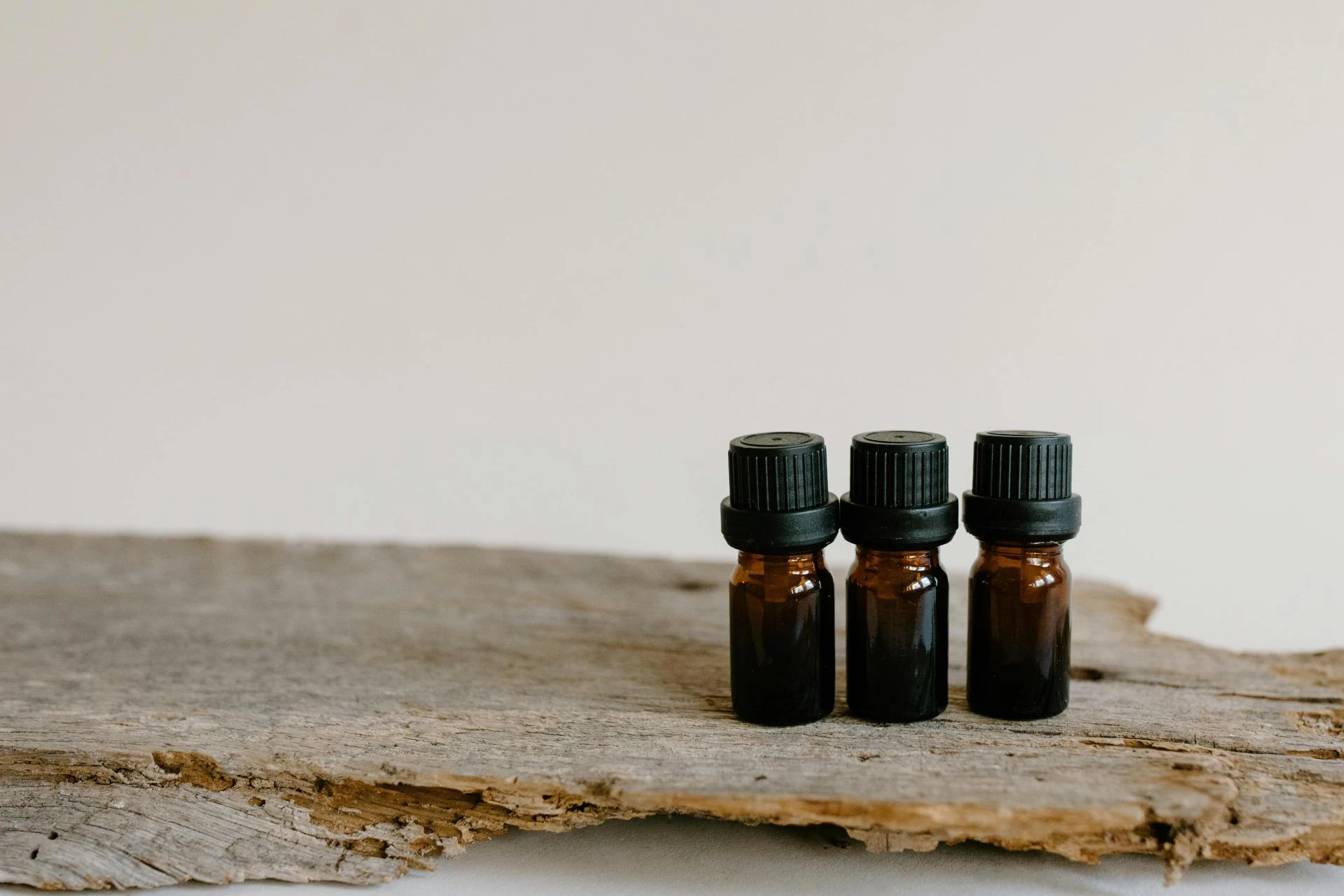
Step 1: Start with a Base Oil or Essential Oil
This will serve as your fragrance anchor. Choose rich oils that blend well with most perfumes.
Popular Base Oils:
- Jojoba oil (most skin-like)
- Fractionated coconut oil
- Sweet almond oil
Essential Oils to Try:
- Oud: Deep, smoky, and opulent. Works beautifully with florals and spices.
- Musk: Soft, sensual, and grounding. Balances bright top notes.
- Sandalwood: Creamy and calming, great for longevity.
- Patchouli: Earthy and spicy; perfect for depth.
Apply the diluted essential oil (usually a 2-5% concentration) to pulse points—wrists, neck, and décolletage.
Step 2: Apply Your Perfume
After giving the base oil a minute or two to absorb into your skin, spritz your perfume on top. Try to choose a scent that complements your essential oil.
Pairing Ideas:
Essential OilBest Perfume Notes to Pair WithOudRose, vanilla, incense, amberMuskWhite florals, tonka bean, cedarSandalwoodLavender, citrus, vetiverBergamotPatchouli, grapefruit, ylang-ylang
Step 3: Layer Further if Desired
Feeling creative? Add a light body mist, or dab a bit more essential oil on your hair ends or collarbone for a multi-dimensional scent experience.
Tips for Successful Fragrance Layering
1. Know Your Notes
Understanding how perfume notes interact is crucial. Never mix two dominant base notes like oud and patchouli without a softer top note to balance them out.
2. Test on Skin, Not Paper
Scents react differently with your body chemistry. Always test your blend on skin before committing to a full-day wear.
3. Less Is More
Start small. It's easier to add than remove. Essential oils are potent; a drop or two goes a long way.
4. Focus on Harmony
While contrast can be beautiful (sweet vanilla vs spicy clove), the goal is harmony—not clash. If you’re using a bold oud and musk combo, balance it with something soft like jasmine or orange blossom.
Top 5 Essential Oil & Perfume Pairings for Signature Scents
1. Oud + Rose Perfume
An ancient pairing from the Middle East. The deep woodiness of oud harmonizes with the delicate floral of rose. Add a touch of amber for warmth.
2. Musk + Vanilla Perfume
This is comfort in a bottle. The clean, powdery scent of musk extends the creamy sweetness of vanilla, creating a cozy, intimate blend.
3. Sandalwood + Citrus Perfume
Great for daily wear. The grounding nature of sandalwood keeps the bright citrus from fading too quickly, giving you a fresh scent with depth.
4. Patchouli + Jasmine Perfume
Earthy meets exotic. Patchouli's richness is elevated by jasmine’s sultry sweetness—ideal for evenings.
5. Frankincense + Lavender Perfume
Perfect for a calming, spa-like signature scent. Use before meditation or bedtime.
Cultural Legacy of Layering: Oud and Musk in Tradition
In Arabic, South Asian, and North African cultures, layering fragrances is an art passed down through generations. Oud and musk have long symbolized royalty, purity, and spiritual connection. Women and men alike use these powerful scents for weddings, religious ceremonies, and daily grooming.
The tradition of burning oud wood and applying musk oil is both spiritual and sensual. When combined with floral or sweet notes, the result is magnetic—deep, hypnotic, and timeless.
Today, luxury fragrance houses are tapping into this legacy by incorporating oud and musk into their formulations, blending the soul of tradition with modern sophistication.
The Psychology of a Signature Scent
Crafting your own layered fragrance isn't just about smelling good—it's about feeling powerful, unique, and connected to yourself.
Your scent becomes your signature—something people associate with your presence even before you enter the room.
Whether you’re drawn to the grounding essence of musk, the bold statement of oud, or the romance of florals, your scent is a silent autobiography—a blend of memory, mood, and identity.
Talk Fragrance Tip: How to Start Layering if You're New
- Pick one essential oil you love (like oud or sandalwood)
- Choose a perfume that shares a common note
- Apply oil on the skin, then spritz the perfume
- Let it settle and evolve—notice how it shifts through the day
- Journal your combinations to find your favorites
Want a shortcut? Look for pre-layered perfumes that already use essential oil bases. Many niche perfume houses are now blending oud and musk with natural ingredients for clean, rich, ready-to-wear fragrances.
Conclusion
Layering perfume with essential oils is more than a beauty hack—it’s an art, a ritual, and a deeply personal journey. By understanding the structure of perfume notes, the power of natural oils like oud and musk, and your own scent preferences, you can craft a fragrance that is undeniably yours.
This isn't about replacing your favorite perfume—it's about enhancing it. With just a few drops of essential oil, you elevate your scent game from mainstream to memorable. You get a scent that not only turns heads but tells your story—subtly, sensually, and sincerely.
So take a moment. Inhale. Explore. Layer.
Because the most unforgettable scent in the room… should be yours.













Sign in to leave a comment.