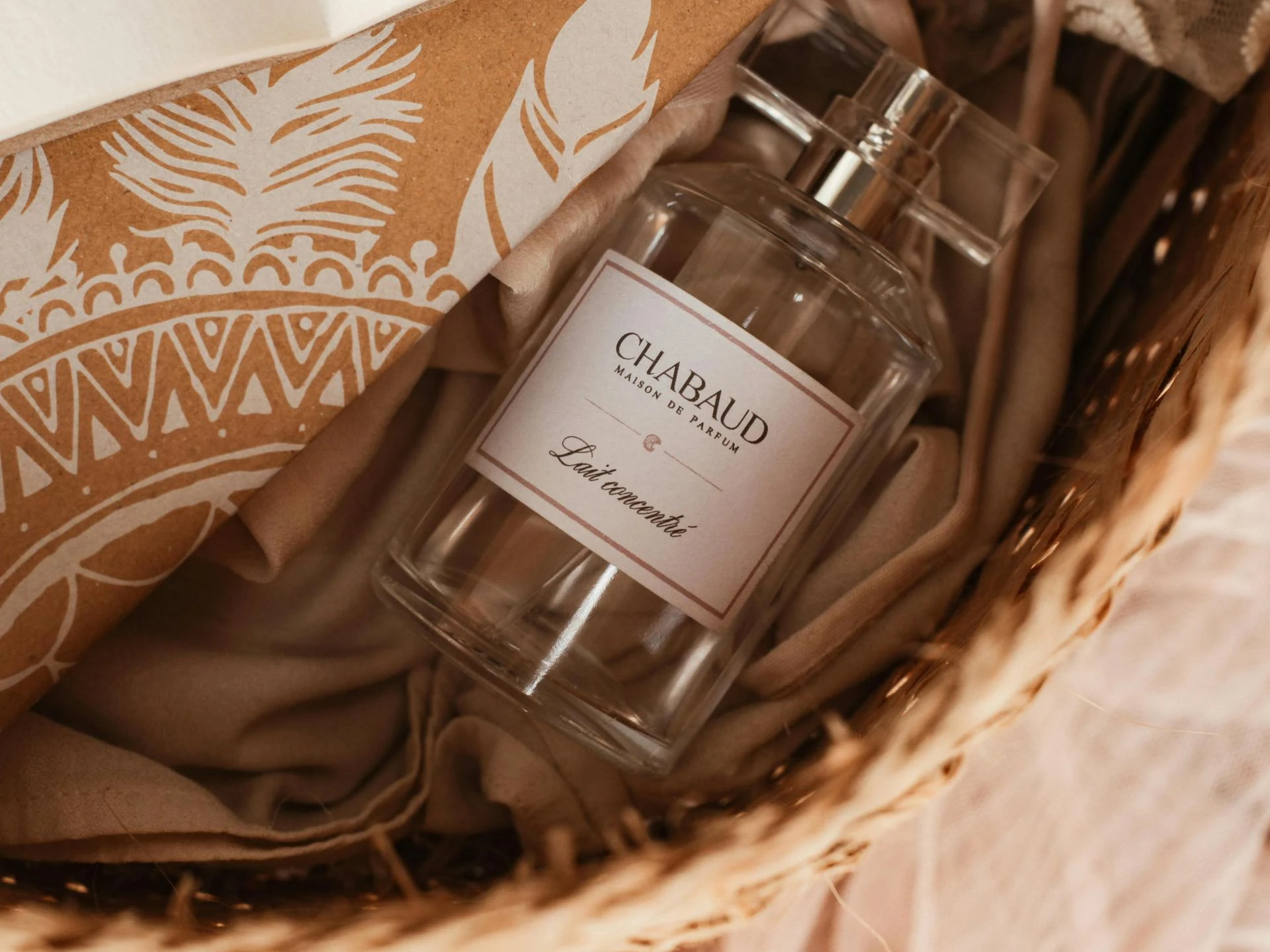

Fragrance has a language of its own, one that speaks without words and connects deeply with memory, emotion, and identity. To truly understand this world, it’s essential to explore Perfume language and uncover chypre meaning, both of which reveal how scents communicate feelings, evoke experiences, and shape personal expression. Every fragrance tells a story, and behind every note lies a whisper waiting to be heard.
The Hidden Vocabulary of Scent
Perfume is more than just a pleasant aroma. It’s a coded message, an invisible form of communication that influences how people perceive you. This Perfume language is built from layers of notes that create balance, depth, and emotion. The top notes greet you first, light and fleeting, often citrusy or floral. The heart notes carry the core identity, revealing warmth, sweetness, or sensuality. Finally, the base notes provide longevity, grounding the fragrance with depth and sophistication.
Each note works like a word in a sentence, forming phrases that resonate differently on each person’s skin. A perfume with hints of bergamot and patchouli might smell crisp and earthy on one individual, yet smoky and mysterious on another. The chemistry of the body, the weather, even one’s mood can alter this aromatic dialogue, proving that scent is a language written uniquely for each wearer.
Understanding Chypre Meaning
To decode the complexity of perfumery, one must first grasp chypre meaning. The word “chypre” comes from the French term for Cyprus, the Mediterranean island that inspired this fragrance family. The classic chypre structure typically combines citrus top notes, floral or woody middle notes, and a mossy, earthy base, usually built on oakmoss, patchouli, and labdanum.
This composition creates a sophisticated harmony that feels timeless and elegant. Chypre meaning embodies balance and refinement, representing a blend of freshness and depth that transcends trends. It’s not just a fragrance type but an attitude, often associated with confidence, mystery, and understated luxury.
Perfumes like François Coty’s Chypre from 1917 established this category, influencing countless modern interpretations. Over the decades, perfumers have reinvented the chypre family with fruity, floral, and even modern green variations, yet they all retain that signature mossy warmth that defines their character.
The Grammar of Fragrance Families
Just as languages have dialects and tones, perfumes are organized into families, each with its own mood and emotion. These categories—floral, woody, oriental, fresh, and chypre—form the grammar of Perfume language.
- Floral fragrances speak of romance and grace. They use rose, jasmine, or peony to convey softness and femininity.
- Woody fragrances express depth and strength, using cedarwood, sandalwood, or vetiver as their core vocabulary.
- Oriental perfumes whisper warmth and sensuality, with notes of amber, vanilla, and resins creating a luxurious embrace.
- Fresh fragrances feel like open air and energy, filled with citrus, marine, and green tones that evoke clarity and vitality.
- Chypre fragrances, on the other hand, embody complexity. Their duality of brightness and earthiness makes them versatile and enduring.
Understanding these families allows perfume lovers to interpret scents more fluently, to identify what they feel drawn to, and to choose a fragrance that aligns with their personality.
The Emotional Syntax of Perfume
Scent bypasses language centers in the brain and connects directly with emotion and memory. This is why a single spritz can bring back forgotten moments or feelings. The Perfume language operates at a subconscious level, speaking to the heart before the mind even registers it.
For instance, the clean scent of citrus might remind someone of carefree mornings, while the smoky richness of leather might evoke nostalgia for a loved one’s embrace. These emotional cues are what make perfume such an intimate art. It doesn’t just decorate the body—it expresses the inner self.
Perfume becomes a tool for self-definition. Some wear it for comfort, others for confidence, and many for connection. The right fragrance becomes an extension of your mood, mirroring your essence through invisible poetry.
How to Speak the Perfume Language
Learning to “speak” through scent begins with awareness. Start by identifying the notes you naturally gravitate toward. Do you prefer sweet and floral, or woody and spicy? Understanding your preferences gives you a foundation for exploring.
When testing perfumes, don’t rush. Allow them to develop through all their stages—top, middle, and base. The Perfume language unfolds over time, much like a conversation that deepens with every exchange.
Pay attention to how the scent interacts with your skin. The same perfume can project differently on two people, influenced by pH levels, temperature, and even diet. A true perfume lover listens to these subtle variations, reading the story that unfolds with every wear.
Chypre: The Sophisticated Accent
Among all fragrance families, chypre holds a special place for those who appreciate complexity. To understand chypre meaning fully, imagine a scent that starts bright and ends deep, like a symphony of contrast. The freshness of bergamot opens the composition, soon followed by a heart of rose, jasmine, or patchouli. As the scent settles, earthy oakmoss and warm labdanum take over, leaving a long-lasting, sensual trail.
This structure gives chypre perfumes a refined personality—neither too sweet nor too dry, but perfectly balanced. They suit individuals who prefer elegance without excess, those who carry an air of confidence without trying too hard.
Modern perfumers often reinterpret the classic chypre by adding fruity elements like peach or plum, creating “chypre fruity” compositions that feel more playful yet maintain their dignified base. Whether vintage or modern, chypre fragrances remain a symbol of sophistication in Perfume language.
The Art of Layering Scent
Just as spoken words can be combined for new meaning, fragrances can be layered to create unique results. The art of layering is a creative expression of Perfume language. Start with lighter scents such as citrus or floral, then add a deeper tone like amber or musk. The goal is harmony, not competition.
Those who love chypre meaning might pair a mossy base with a bright floral mist to bring out its dual nature. Layering allows for personalization and depth, transforming off-the-shelf fragrances into one-of-a-kind expressions.
However, layering requires restraint. Overlapping too many notes can cause confusion rather than conversation. Think of it as writing poetry—each word matters, and silence between them carries meaning too.
The Cultural Influence of Perfume Language
Throughout history, fragrance has served as a silent yet powerful communicator. Ancient Egyptians used perfumed oils in rituals, associating scent with divinity and purity. In medieval Europe, perfumes were symbols of wealth and status. In modern times, they have evolved into tools of personal identity and emotional expression.
Perfume language varies by culture. In the Middle East, strong notes of oud, amber, and musk dominate, representing luxury and tradition. In France, subtle florals and chypre compositions embody timeless elegance. In Asia, light and airy fragrances with tea or bamboo elements reflect simplicity and serenity.
This cultural diversity enriches the perfume landscape, showing that scent, like spoken language, evolves to reflect the soul of its people.
Perfume as an Artistic Expression
Perfumers are often compared to composers or painters, crafting emotion through invisible materials. Each creation is an artwork built with precision and imagination. The Perfume language they use includes ingredients, proportions, and techniques that balance chemistry and artistry.
When perfumers design a chypre, for instance, they play with contrast—bright citrus against dark moss, floral sweetness against resinous warmth. This interplay of opposites defines chypre meaning, turning the fragrance into a dialogue between nature and emotion.
Like a painter layering color, a perfumer layers scent. The result is not merely a smell but a sensory story. This artistry gives perfume its staying power, ensuring that even in an age of technology, humans remain enchanted by the whispers of scent.
The Future of Fragrance Communication
Modern perfumery is becoming increasingly inclusive and experimental. Gender-neutral compositions, sustainable sourcing, and digital scent technology are reshaping how Perfume language is spoken in today’s world.
Chypre fragrances, though rooted in history, continue to evolve with modern interpretations that use synthetic molecules to replicate oakmoss, preserving their heritage while meeting contemporary standards. This evolution keeps the chypre meaning relevant for new generations who value both tradition and innovation.
As the perfume world grows more diverse, it becomes a universal language that transcends borders. The whispers in the air become shared experiences, uniting people through scent rather than separating them by style or culture.
Conclusion
The world of fragrance is more than beauty; it is communication at its purest form. Understanding Perfume language allows one to connect with the emotional and sensory depth that perfumes embody. Exploring chypre meaning opens a window into one of perfumery’s most sophisticated families, where contrast and harmony coexist perfectly.
Each spritz, each lingering note, carries meaning—sometimes subtle, sometimes bold. Perfume speaks in whispers, revealing the wearer’s essence to those who listen closely. To master its language is to master an art that touches both heart and memory, reminding us that even in silence, scent always speaks.










Sign in to leave a comment.