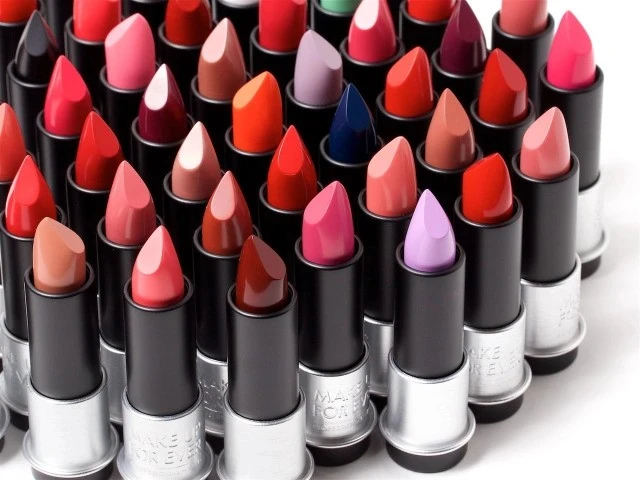

Lipstick, a timeless symbol of beauty and femininity, has been at the forefront of the cosmetic industry for decades. Its evolution is marked not only by changes in formula and packaging but also by innovative advertising campaigns that have captivated audiences worldwide. From the glamorous ads of the mid-20th century to the bold and empowering campaigns of today, the art of lipstick advertising continues to shape beauty standards and consumer preferences.
The Golden Age of Lipstick Advertising
During the 1950s and 1960s, lipstick ads were characterized by their glamorous and sophisticated imagery. Brands like Revlon and Max Factor dominated the market with campaigns that featured Hollywood starlets and elegantly dressed women, epitomizing the ideal of feminine beauty.
Revlon\'s Fire and Ice Campaign
One of the most iconic lipstick ads of all time is Revlon\'s "Fire and Ice" campaign from 1952. Featuring model Dorian Leigh, the ad was a bold statement of confidence and allure. The striking red lipstick was presented as a must-have for the glamorous woman who embodies both fire and ice—passion and cool sophistication. The campaign was a resounding success, solidifying Revlon\'s place as a leader in the beauty industry.
The Evolution of Lipstick Advertising
As societal norms and beauty standards evolved, so did lipstick advertising. The 1970s and 1980s saw a shift towards more diverse representations of beauty. Ads began to feature women of different ethnic backgrounds, reflecting a growing awareness of inclusivity in the beauty industry.
CoverGirl\'s Easy, Breezy, Beautiful Campaign
In the early 2000s, CoverGirl launched its "Easy, Breezy, Beautiful" campaign, which became synonymous with the brand. This campaign was revolutionary in its approach to beauty—celebrating natural, effortless looks. It featured a diverse array of models, including Queen Latifah and Ellen DeGeneres, breaking traditional beauty stereotypes and promoting the idea that beauty is accessible to all women.
The Impact of Digital and Social Media
The rise of digital and social media has transformed lipstick advertising, making it more interactive and engaging. Brands now leverage influencers and social media platforms to reach a broader audience and create personalized experiences.
MAC Cosmetics and Influencer Collaborations
MAC Cosmetics has been at the forefront of leveraging social media for its lipstick campaigns. By collaborating with beauty influencers and celebrities, MAC has created buzz-worthy campaigns that resonate with younger audiences. Their limited-edition collections, often co-created with influencers, sell out rapidly, showcasing the power of social media in modern advertising.
Custom Lipstick Boxes: A New Era of Personalization
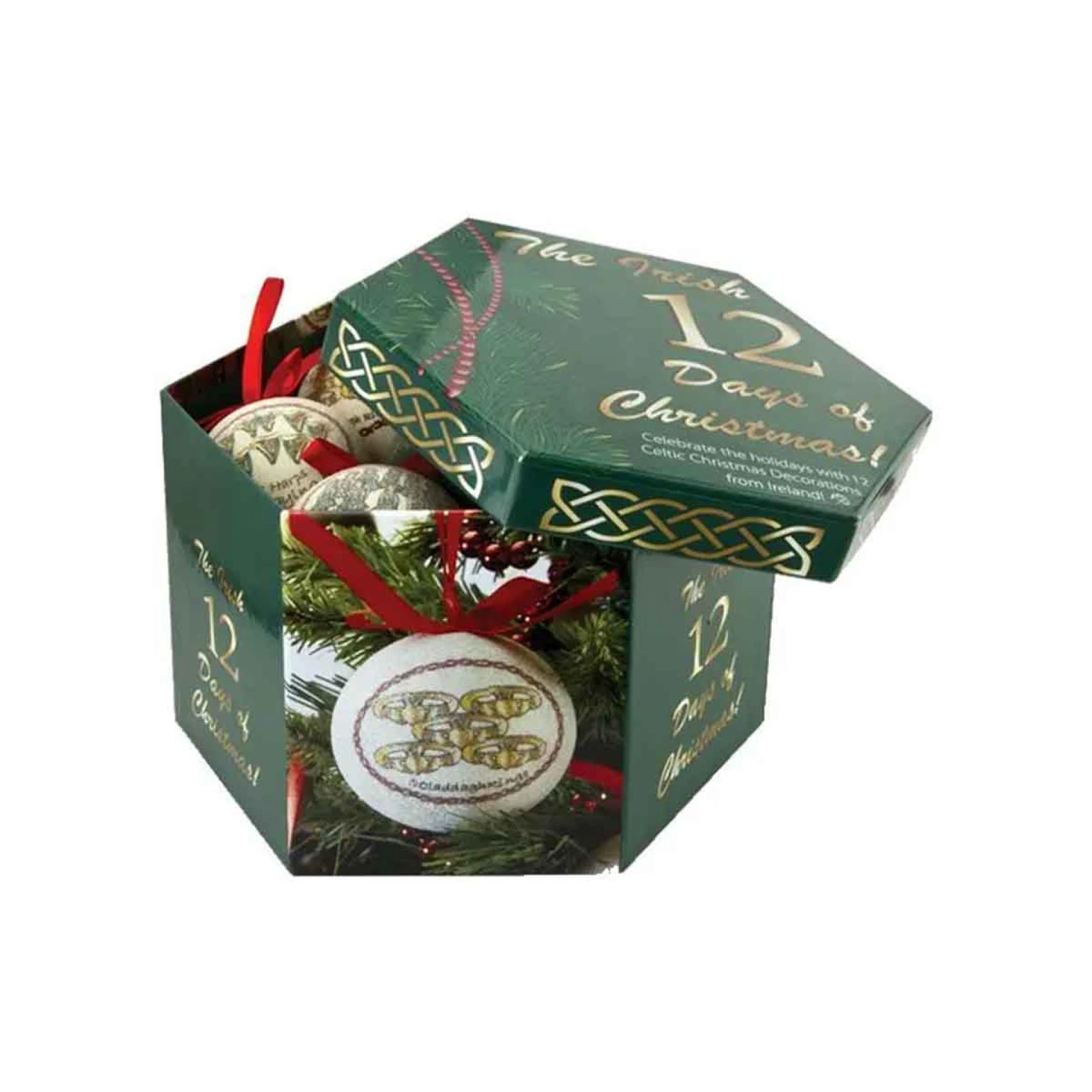
In recent years, the trend towards customization has extended to lipstick packaging. Custom lipstick boxes have become a popular choice for both brands and consumers, offering a unique way to express individuality and brand identity. These boxes are designed to enhance the unboxing experience, adding an element of surprise and delight for the customer.
ZEE Custom Boxes UK offers a wide range of custom packaging solutions that cater to the specific needs of cosmetic brands. With the ability to create bespoke designs, brands can ensure that their lipstick packaging stands out on the shelves and resonates with their target audience.
The Power of Storytelling in Lipstick Campaigns
Modern lipstick ads go beyond just showcasing the product—they tell a story. Whether it\'s a story of empowerment, confidence, or self-expression, these campaigns connect with consumers on an emotional level, making the product more than just a beauty item but a symbol of personal identity.
Fenty Beauty\'s Inclusive Campaigns
Rihanna\'s Fenty Beauty has set a new standard in the beauty industry with its inclusive and diverse campaigns. The brand\'s launch in 2017 featured a wide range of lipstick shades designed to complement all skin tones. The campaign celebrated diversity and inclusivity, highlighting the importance of representation in the beauty industry. Fenty Beauty\'s success demonstrates the power of inclusivity and how it can resonate with consumers worldwide.
Conclusion
The art of lipstick advertising has come a long way, from the glamorous campaigns of the 1950s to today\'s inclusive and empowering ads. As the beauty industry continues to evolve, so too will the strategies used to captivate and engage consumers. Custom lipstick boxes and the rise of digital and social media










Sign in to leave a comment.