
If you’ve ever wanted to learn how to mix and match patterns like a professional home interior designer, then look no further! Pattern mixing is an art form that allows homeowners to create dynamic and eye-catching looks in the comfort of their own homes. Whether you are looking for subtle coordination between colors or bold statement pieces, this guide will show you the tools of successful pattern mixing. By understanding what types of designs go together, where coordinates should be placed in order to make them fit nicely, and which elements can anchor those patterns; pattern mixing becomes something anyone with a creative eye can achieve. Step into your version of creativity by trying uncomfortable combinations while being mindful of scale—the possibilities are endless!
Introduce Pattern Mixing & Overview of Benefits and Challenges
Designing a home interior requires consideration of many elements to craft a personalized atmosphere, including furniture placement, color palette and decoration selections. Pattern mixing is an approach that offers a unique opportunity to bring bold combinations into the home. As desired, it can be used to create a daring or subtle statement throughout the home. Whether making use of geo-shapes, stripes, solids or prints - through careful application pattern mixing brings dynamic energy and visual intrigue to otherwise plain design choices. Though any pattern mix inspires individual expression, it requires thoughtfulness to avoid overwhelming the space with too much going on. A designer’s expert eye will both tap creativity into this technique for maximum impact and balance it in harmony with other design choices to make any space beautiful, be it a dining room or kitchen.
Start with the Basics – Color and Scale of Patterns
Stepping into the world of interior design can be overwhelming, but starting with basic elements like color and scale of patterns can help ease the process. Color is essential to creating an atmosphere and helps to set the mood for a room. Understanding how colors interact allows one to build on a theme and take it even further with different pattern scales. Whether you go small with subtle polka dots or bright bold florals, understanding what works best together in proportion and tone means your rooms will come alive in style. Interior design is both an expression of art and practicality, but it doesn’t have to be complicated when you start from the basics.
Utilize Accent Pieces to Create a Focal Point
With the right accent pieces and design choices, you can create a stunning focal point in any room. Professional interior designers know how to select pieces that will draw eyes towards them, or to incorporate elements that are bold enough to stand out from the other décor. Accentuating with these pieces helps make a statement about the room and its personality. Such pieces not only give a room definition and character but also add that extra flair for a well-rounded look. Designers understand how to create balance between modern or traditional design—depending on what their clients desire—and can provide guidance when it comes to selecting furniture, accessories, artwork and more. A designer is key to helping homeowners unlock their individuality while creating a one-of-a-kind space filled with timeless appeal.
Incorporate Texture for Visual Interest
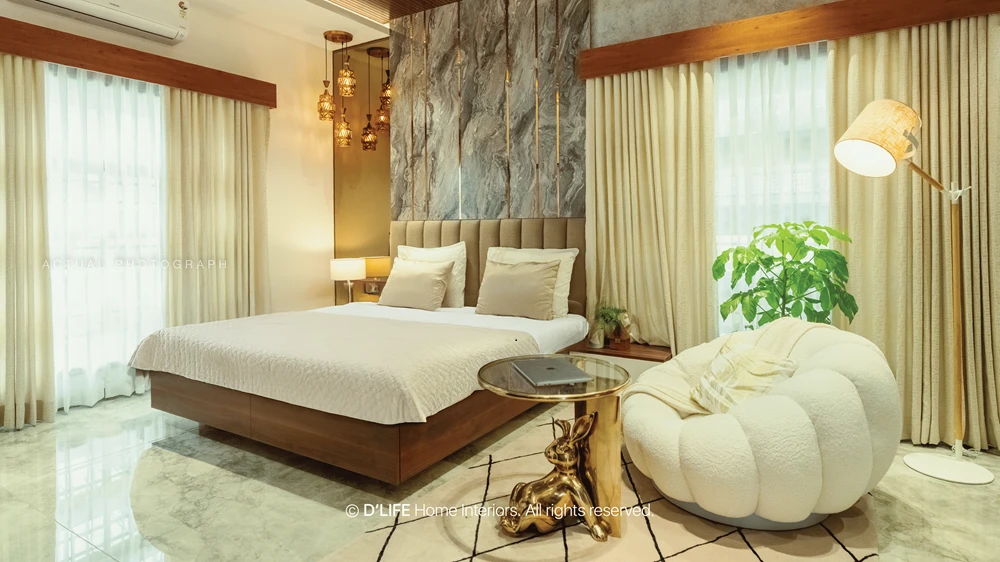
When it comes to designing a home interior, texture is one of the most important visual elements that can give an ordinary space some extra interest and intrigue. Utilizing tactile surfaces such as natural wood, velvets, wools and rough cotton create delightful visuals in a room while also providing the opportunity to inject personality with colorful woven blankets or knitted cushions. Contrasting smooth with soft materials can instantly bring life and depth to a space; metallics add a contemporary feel while incorporating natural fibers keep the design warm and inviting. With mindful consideration of how these textures work together, any room can become more vibrant and alive – making for the perfect place to relax, entertain or simply be!
Balance Elements for Eye-Catching Contrast
Striking contrasts can add a whole new level of interest and life to any design. For example, an interior designer must have a keen eye for creating a balance between the various elements in order to create contrast that adds an interesting layer to the overall look. This could include the choice of colors, furniture pieces, materials and textures, even decorative accessories. Every piece must be thoughtfully considered in relation to everything else in order to add contrast that helps create visual impact and aesthetics that demands attention. Therefore, it is essential for every home interior designer to understand how to use different elements along with each other to bring about eye-catching contrasts through careful balance and consideration.
When working with a home interior designer, it's important to take the time to consider your overall theme and style goals. Whether you're aiming for an eclectic mix or a unified look throughout the home, having an idea of what you want beforehand can help you create the perfect space. It's also useful to think about elements such as color palettes and desired furniture types when discussing options with your interior designer. Planning ahead of time can make the process smoother so that you achieve exceptional results.
As a home interior designer, pattern-mixing can add so much to your projects. With the tips and techniques outlined by these leading interior designers in Kollam, it’s easier than ever to create successful pattern-mixing pieces that draw the eye and elevate any interior design without feeling too overwhelming or chaotic. Begin by playing with color and scale of patterns to create a comfortable balance between the graphics of each piece. Then, utilize accent pieces like artwork or window treatments to start establishing focus points. Don’t forget texture, either – pairing fabrics with different levels of texture will bring visual interest into your design project. Finally, consider overall theme & style goals in order to make sure that all the pieces you’re mixing are in harmony together rather than competing against one another for attention. With these tips as your guide, you have all the tools you need to start incorporating complex patterns into your projects seamlessly!










Sign in to leave a comment.