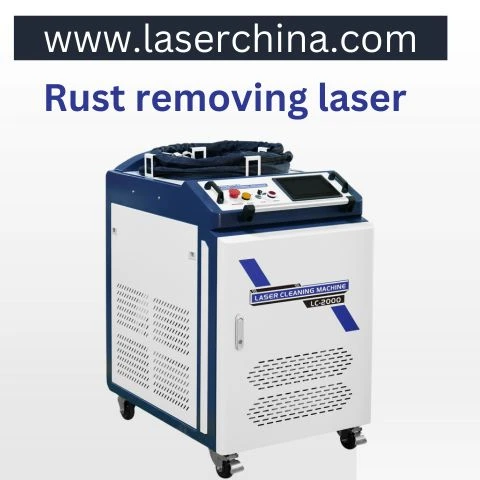

Rust, the nemesis of metal surfaces, can deteriorate not only the aesthetics but also the structural integrity of objects. Traditional methods of rust removing laser often involve laborious scraping, sanding, or chemical treatments, which can be time-consuming and potentially harmful to the environment. However, with advances in technology, laser rust removal has emerged as a precise and efficient alternative. In this guide, we will delve into the intricacies of rust removing laser, exploring its benefits, applications, and step-by-step process.
Benefits of Laser Rust Removal: Rust removing laser offers several advantages over conventional methods:
- Precision: Laser technology enables pinpoint accuracy, allowing for the selective removal of rust without damaging the underlying substrate.
- Efficiency: Unlike manual techniques, laser rust removal is significantly faster, reducing downtime and labor costs.
- Safety: Unlike chemical treatments, laser rust removal is non-toxic and environmentally friendly, eliminating the need for hazardous chemicals.
- Versatility: Laser systems can be adapted to various surfaces and geometries, making them suitable for a wide range of applications.
Applications of Laser Rust Removal: Laser rust removal finds applications across numerous industries, including:
- Automotive: Removing rust from vehicle bodies, chassis, and components.
- Marine: Cleaning rust from ship hulls, propellers, and other marine structures.
- Aerospace: Preparing aircraft surfaces for painting or coating.
- Heritage Conservation: Restoring antique metal artifacts and architectural structures.
- Industrial Maintenance: Maintaining machinery, pipelines, and infrastructure.
Step-by-Step Guide to Laser Rust Removal:
Preparation:
- Ensure the work area is well-ventilated and free from flammable materials.
- Clean the surface to be treated to remove any loose debris or contaminants.
- Wear appropriate personal protective equipment, including safety glasses and gloves.
Calibration:
- Set up the laser system according to the manufacturer\'s instructions.
- Adjust the laser parameters, such as power, pulse duration, and spot size, based on the type and severity of rust.
Rust Removal:
- Position the laser nozzle at a suitable distance from the surface, typically a few inches away.
- Activate the laser beam and begin treating the rusted area, moving the nozzle in a controlled manner to ensure uniform coverage.
- Monitor the process closely, adjusting the parameters as needed to optimize efficiency and effectiveness.
Post-Treatment:
- Inspect the treated surface to ensure all rust has been removed satisfactorily.
- Clean the surface to remove any residual debris or oxidation products.
- Apply a protective coating or inhibitor to prevent future rust formation, if necessary.
Safety Precautions:
- Avoid direct exposure to the laser beam and wear appropriate eye protection at all times.
- Keep flammable materials away from the work area to reduce the risk of fire.
- Follow all safety guidelines provided by the laser system manufacturer and adhere to relevant regulations and standards.
Conclusion: Rust removing laser represents a cutting-edge solution for combating rust and preserving metal surfaces. By harnessing the power of laser technology, users can achieve precise, efficient, and environmentally friendly rust removing laser across a diverse range of applications. With proper preparation, calibration, and safety precautions, rust removing laser can revolutionize maintenance practices and prolong the lifespan of metal assets.


























Sign in to leave a comment.