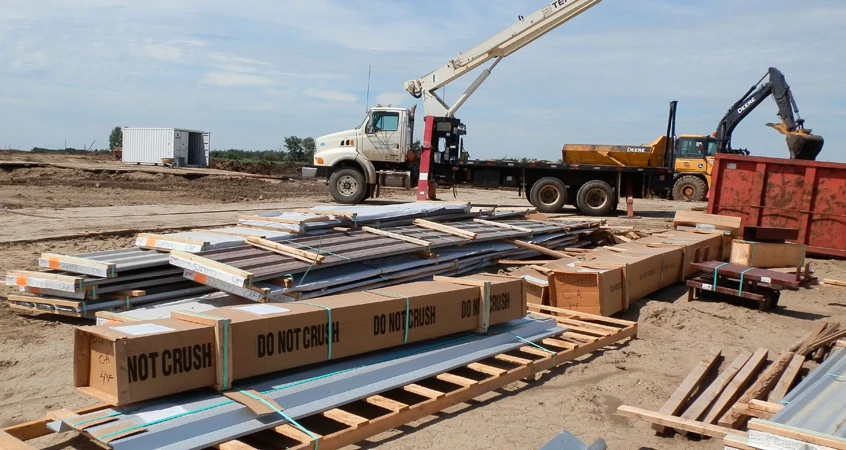

Across every sector—from logistics and manufacturing to energy and technology—industrial buildings serve as the foundation that supports daily operations, innovation, and long-term growth. These structures are far more than just warehouses or factories; they are strategic assets that enhance efficiency, improve safety, and enable scalability for businesses in competitive markets.
As industries evolve, so do the demands placed on their infrastructure. Today’s industrial buildings must be adaptable, high-performing, and future-ready—whether they're housing heavy equipment, streamlining assembly lines, or serving as distribution hubs for global supply chains.
Let’s explore the critical role industrial buildings play in today’s economic landscape, what features define a high-quality facility, and why businesses are investing in smarter infrastructure more than ever before.
What Are Industrial Buildings—and Why Do They Matter?
Industrial buildings are purpose-built structures designed for manufacturing, storage, processing, and logistics. These can range from small fabrication shops to large-scale production plants, distribution centers, and specialized facilities.
They’re essential because they directly support the core activities of a business. Without the right space—configured for the right processes—a company’s ability to compete, scale, or even operate efficiently can be significantly compromised.
In recent years, we’ve seen a surge in demand for modern industrial spaces due to:
- The rise of e-commerce and the need for fulfillment centers
- Automation in manufacturing and the space requirements for robotics and conveyors
- Growth in clean energy, agri-processing, and resource-based industries
- The reshoring of production from overseas to local facilities
Each of these trends points to the growing importance of flexible, durable, and highly functional buildings.
Key Features of High-Performing Industrial Buildings
To meet the demands of today's industries, modern industrial buildings must offer more than square footage—they must provide solutions.
Here are some essential features of top-tier facilities:
Clear-Span Interiors
Wide, column-free spaces allow for easy maneuvering of equipment, vehicles, and inventory. They're critical in manufacturing and warehousing environments where flexibility is key.
High Ceilings and Oversized Doors
With industries requiring cranes, mezzanines, or tall shelving systems, ceiling height and access points are becoming increasingly important.
Robust Flooring Systems
Heavy-duty concrete floors with reinforced foundations are necessary to support machinery, forklifts, and high-load areas.
Advanced HVAC and Ventilation
Depending on the use, industrial buildings may require dust control systems, humidity regulation, or specialized filtration—especially in food processing or pharmaceutical facilities.
Energy Efficiency
Insulated walls and roofs, LED lighting, natural daylighting, and solar integration are no longer optional—they’re essential for reducing operational costs and achieving sustainability goals.
Custom Layouts and Modular Designs
Whether it’s office space integrated into a production floor or expandable bays for storage, adaptability is key to supporting business evolution.
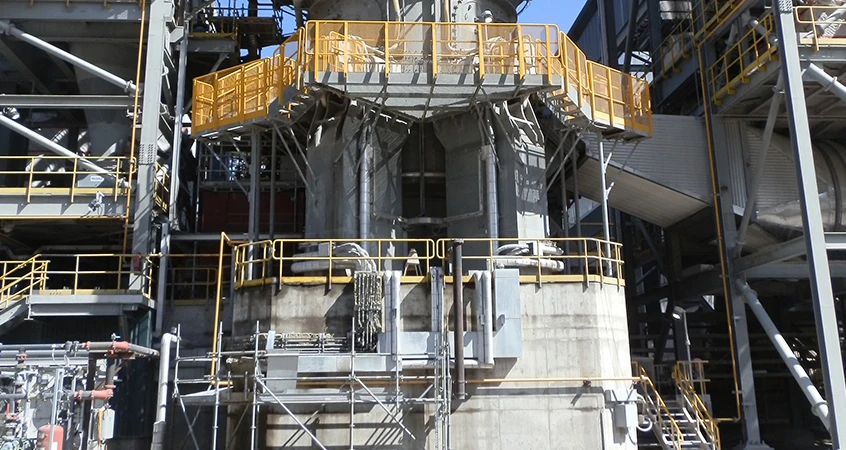
Common Types of Industrial Buildings
Depending on the sector, the type and design of industrial buildings vary widely. Here are a few of the most common:
- Manufacturing Plants: Designed for processing raw materials or assembling finished goods, often equipped with utilities like compressed air, water lines, and heavy-duty electrical systems.
- Warehouses and Distribution Centers: Built for high-volume storage, often with racking systems, loading docks, and inventory control infrastructure.
- Cold Storage Facilities: Used in the food and pharmaceutical industries to preserve temperature-sensitive products.
- Fabrication Shops: Used by trades and construction companies for welding, machining, and assembly.
- R&D and Clean Rooms: Found in tech, biotech, or aerospace sectors requiring controlled environments.
Why Businesses Are Upgrading Their Industrial Buildings
The industrial sector is changing at a rapid pace. With advances in automation, growing sustainability mandates, and increased competition, businesses can no longer rely on outdated buildings to remain competitive.
Modern industrial buildings are not only a physical space but a strategic business tool. Companies that invest in the right building design often see gains in productivity, energy savings, workforce safety, and customer satisfaction.
Moreover, industrial real estate is seen as a valuable long-term investment. With rising demand across Canada and globally, owning or leasing well-built facilities can significantly enhance a company’s asset portfolio and operational agility.
Final Thoughts: The Future of Industrial Development
As we look ahead, the line between industrial, commercial, and energy-related buildings continues to blur. Companies are seeking multi-use spaces that can accommodate both production and innovation. The next generation of industrial buildings will be smarter, more connected, and environmentally conscious—designed to support both people and processes.
Nowhere is this convergence more visible than in sectors like energy and processing, where custom-built facilities are crucial. In these industries, gas and plant buildings are becoming increasingly specialized—built with high safety standards, technical infrastructure, and resilience against environmental extremes.
Ultimately, whether you’re a manufacturer, distributor, or energy operator, one thing is clear: the right building isn’t just part of your operation—it is your operation. Investing in robust, adaptable industrial infrastructure is not just a practical decision; it’s a strategic one that pays off in performance, sustainability, and long-term value.
#IndustrialBuildings #SmartInfrastructure #ModernIndustry #ManufacturingSpace #IndustrialRealEstate



























Sign in to leave a comment.