
In the dynamic and ever-evolving construction industry, staying ahead of the competition requires more than just skilled labour and quality materials. To excel in today's construction landscape, firms must leverage technology to streamline processes, enhance communication, and ensure projects are completed on time and within budget. One invaluable tool that has revolutionised the construction industry is Construction Project Management Software. This blog explores the numerous benefits of using CMS and how it has become an indispensable asset for construction companies.
Project Planning and Scheduling
One of the primary benefits of using construction management software is its ability to facilitate project planning and scheduling. CMS provides a centralized platform where project managers can create detailed project plans, allocate resources efficiently, and set realistic timelines. This allows for better resource management and prevents project delays, resulting in cost savings and improved project outcomes.
Cost Management and Budgeting
Effective cost management is crucial in the construction industry, where budgets can easily spiral out of control. CMS offers tools to track project expenses, monitor budget allocations, and generate accurate cost reports. This transparency helps construction companies make informed decisions, avoid cost overruns, and maximize profitability.
Communication and Collaboration
Construction projects involve numerous stakeholders, from architects and engineers to contractors and subcontractors. CMS enhances communication and collaboration by providing a centralized platform where all project-related information, documents, and updates can be easily accessed and shared. This reduces misunderstandings, minimizes the risk of errors, and fosters better teamwork among project participants.
Document Management
Construction projects generate an enormous volume of documents, including blueprints, contracts, permits, and change orders. Managing these documents manually can be overwhelming and prone to errors. CMS streamlines document management by providing a secure, organized repository for all project-related documents. This ensures that the right people have access to the right documents at the right time, improving efficiency and reducing administrative overhead.
Real-Time Project Tracking
Construction management software offers real-time project tracking capabilities. Project managers can monitor progress, track work hours, and identify potential issues as they arise. This allows for proactive problem-solving, ensuring that projects stay on track and any deviations from the plan are addressed promptly.
Quality Control and Compliance
Ensuring the quality of work and compliance with regulatory standards is essential in construction. CMS allows for the establishment of quality control processes and compliance checks throughout the project lifecycle. By setting predefined quality benchmarks and compliance requirements, construction companies can reduce the risk of costly rework and legal issues.
Risk Management
Construction projects inherently involve risks, such as weather-related delays, unexpected site conditions, or supply chain disruptions. CMS helps construction firms identify, assess, and mitigate risks by providing tools for risk analysis and management. This proactive approach minimizes the impact of potential issues on project timelines and budgets.
Resource Allocation
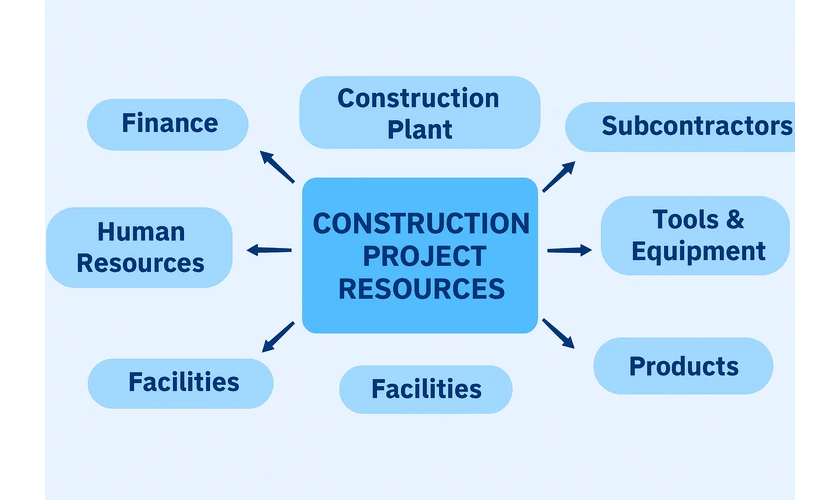
Optimal resource allocation is key to project success. CMS provides visibility into resource availability and utilization, allowing construction companies to allocate labor, equipment, and materials efficiently. This helps prevent resource shortages or overages, reducing waste and enhancing project profitability.
Client and Stakeholder Engagement
Construction management software often includes features for client and stakeholder engagement. Clients can track project progress, review documentation, and provide feedback through user-friendly interfaces. This transparency builds trust and fosters positive relationships, which can lead to repeat business and referrals.
Scalability and Adaptability
CMS is adaptable to the needs of construction companies of all sizes, from small contractors to large multinational firms. It can scale to accommodate the complexities of different projects, making it a versatile solution for the entire industry.
Conclusion
The benefits of using construction management software are undeniable. It has become an essential tool for construction companies seeking to increase efficiency, reduce costs, and deliver projects on time and to the highest quality standards. Embracing CMS not only streamlines project management but also enhances collaboration, communication, and client satisfaction. In an industry that demands precision and accountability, construction management software is a game-changer that empowers firms to thrive in today's competitive landscape.












Sign in to leave a comment.