Stepping into Jodhpur, the legendary "Blue City," feels like walking through the pages of a living history book. From the imposing heights of Mehrangarh Fort to the narrow, azure-washed alleys of the old town, this city captures the essence of Rajasthan's royal heritage. If you are planning your first trip, navigating the sprawling landscape requires a reliable Jodhpur taxi service to ensure you spend more time soaking in the culture and less time haggling over directions. This two-day guide is designed to help you witness the architectural marvels, taste the fiery local cuisine, and experience the rugged beauty of the Thar Desert.
Day 1: Royal Grandeur and the Blue City Charm
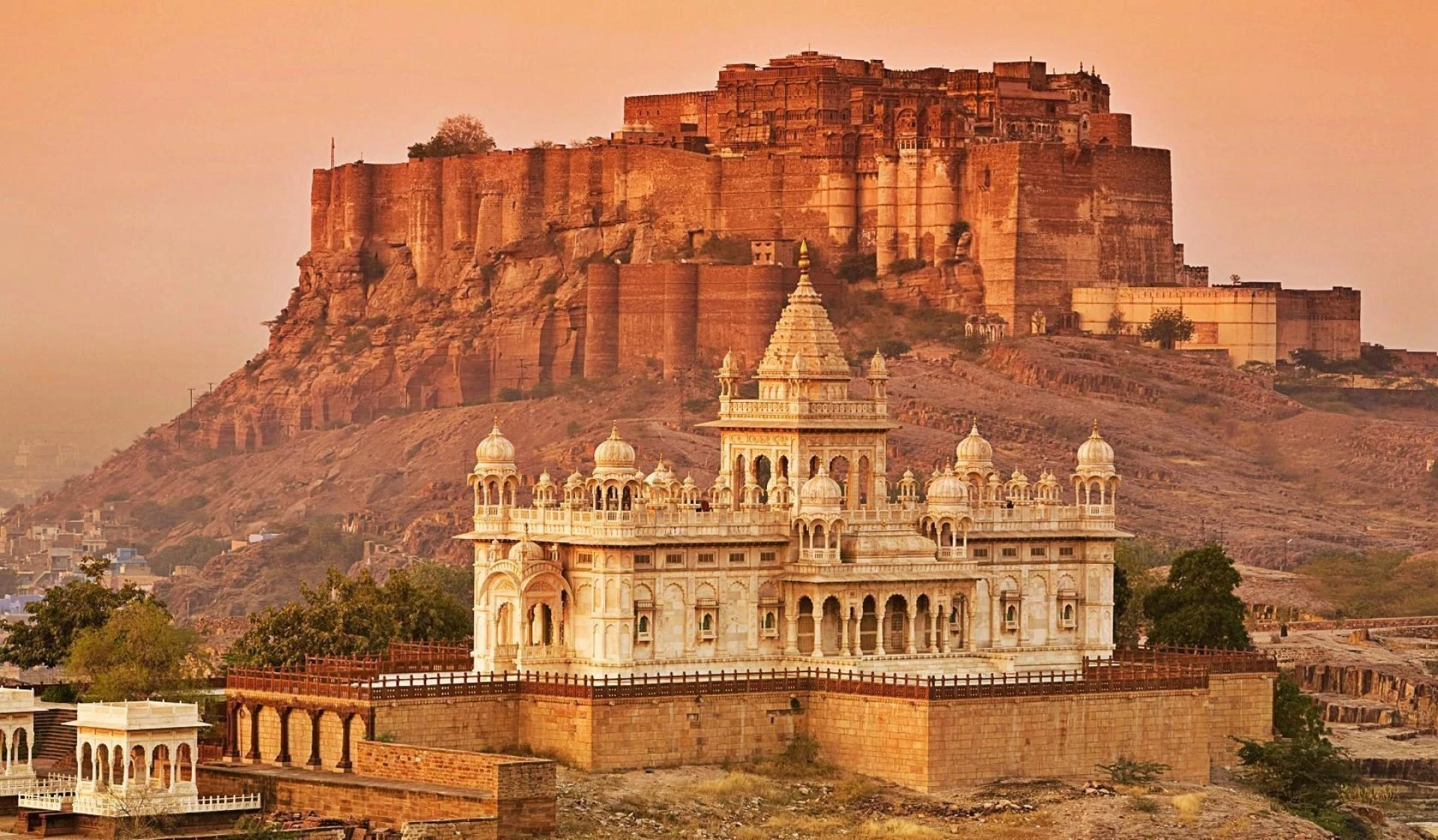
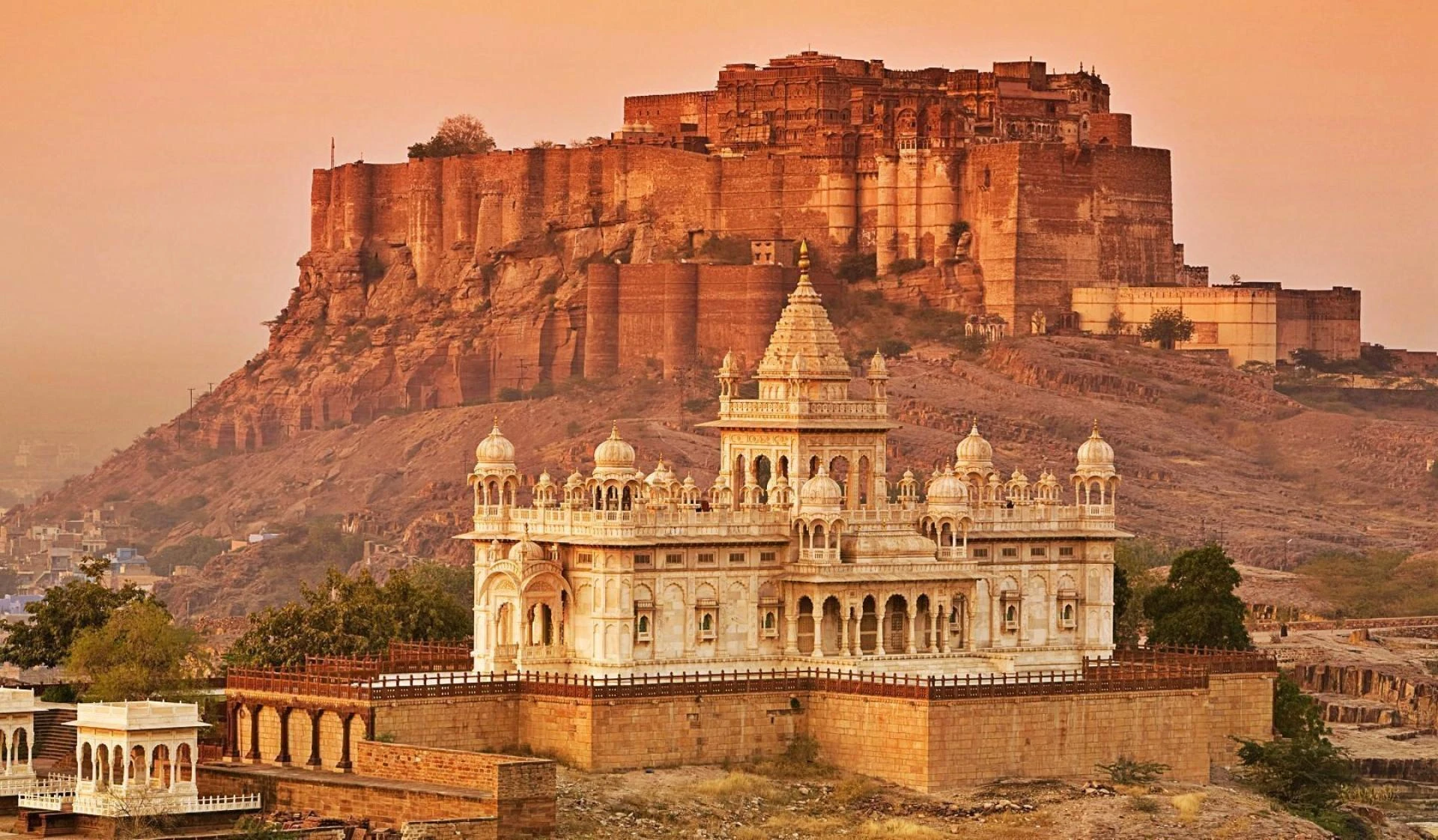
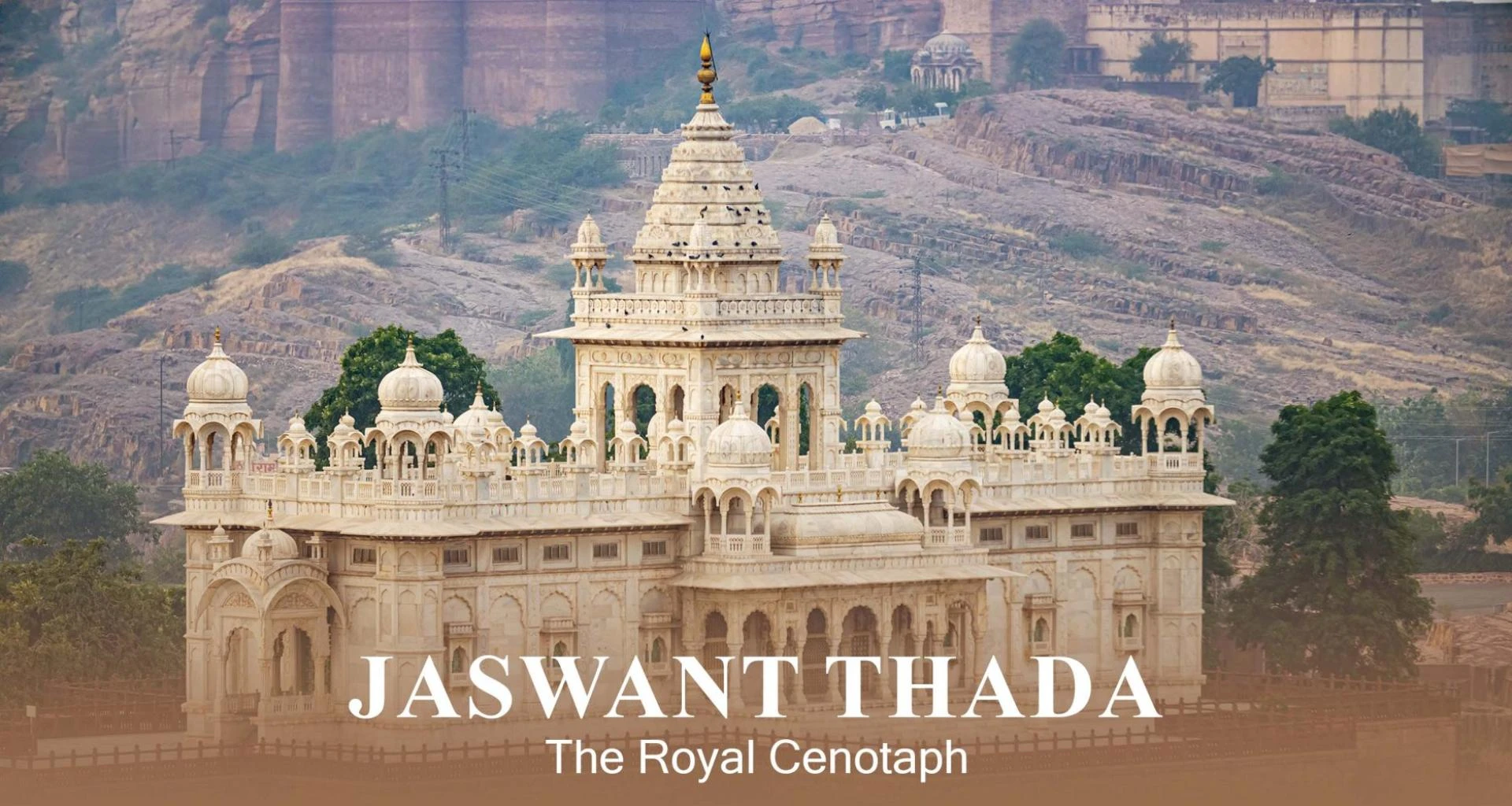
Your journey should begin at the crack of dawn to witness the sun hitting the burnished red sandstone of Mehrangarh Fort. Rising 400 feet above the city skyline, this 15th-century marvel is one of the largest forts in India. As you walk through the seven gates, the history of the Rathore clan unfolds through intricate carvings and expansive courtyards. Hiring a local guide or using an audio tour is highly recommended to understand the strategic brilliance of its architecture. After exploring the museum's collection of palanquins and royal weaponry, head over to Jaswant Thada. Located just a short drive away, this milky-white marble cenotaph serves as a peaceful retreat. Often called the "Taj Mahal of Marwar," the memorial sits beside a serene lake, offering a stark, elegant contrast to the rugged fort.
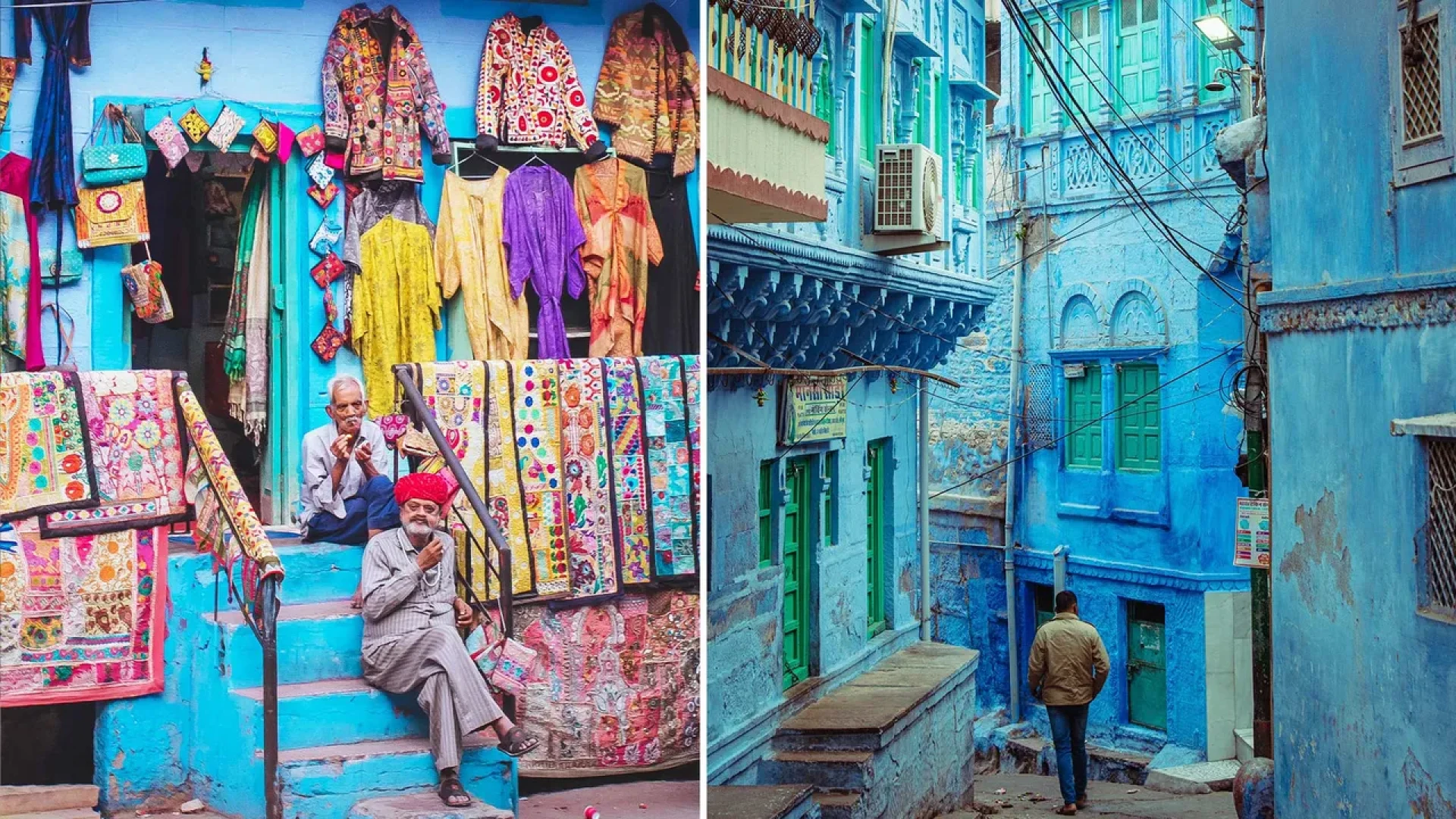
By midday, it is time to descend into the heart of the city for a curated Jodhpur day tour. This is the best way to navigate the bustling Sardar Market surrounding the iconic Ghanta Ghar (Clock Tower). The air here is thick with the scent of Mathania chilies and freshly brewed masala chai. Don't miss out on the famous Shahi Samosa or the decadent Makhaniya Lassi at Mishrilal Hotel. After lunch, wander into the Navchokiya district. This is where you will find the quintessential blue houses that gave the city its nickname. The indigo-washed walls weren't just for aesthetics; historically, they helped keep houses cool and deterred termites. Photographers will find endless inspiration in these winding paths, where local life continues much as it has for centuries. Finish your evening at a rooftop restaurant overlooking the illuminated fort for a dinner that feels truly regal.
Day 2: Desert Traditions and Rural Life
On your second day, shift your focus from the stone walls of the city to the golden sands of the outskirts. Jodhpur is the gateway to the rural heart of Rajasthan, and no visit is complete without witnessing the traditional lifestyle of the local communities. A popular choice for many travelers is a jeep safari in jodhour, which takes you into the Bishnoi villages. The Bishnoi people are world-renowned for their deep-rooted environmental conservation ethics and their sacred bond with nature. During this excursion, you are likely to spot blackbucks, chinkaras, and migratory birds roaming freely near the villages. You will also have the opportunity to witness traditional pottery making and the intricate art of block printing, providing a firsthand look at the craftsmanship that sustains the local economy.
In the afternoon, head back toward the city to visit the Umaid Bhawan Palace. This is one of the world's last great palaces and remains the principal residence of the former royal family. While a portion of it is a luxury hotel, the museum section is open to the public, showcasing an impressive collection of vintage clocks, cars, and photographs that document the city's transition into the modern era. The palace garden is a perfect spot for a quiet stroll before the sun begins to set. If you have some energy left, a visit to the Mandore Gardens is a fantastic way to conclude your trip. Unlike the hilltop forts, the cenotaphs here are built like Hindu temples, featuring high spires and exquisite stone pillars set amidst lush greenery and playful langurs.
Travel Tips for an Authentic Experience
To make the most of your 48 hours in Jodhpur, keep a few practicalities in mind. The best time to visit is between October and March when the weather is pleasant enough for full-day sightseeing. Rajasthan’s sun can be unforgiving even in winter, so carry a hat and stay hydrated. While walking is the best way to explore the old city’s narrow lanes, the distances between major landmarks like Umaid Bhawan and Mandore Gardens are significant. Choosing a professional transport provider ensures you have a climate-controlled environment to retreat to between stops.
Jodhpur is more than just a transit point to Jaisalmer or Udaipur; it is a city of stories, spices, and unparalleled hospitality. Whether you are marvelling at the craftsmanship of the royal tombs or sharing a smile with a craftsman in a Bishnoi village, the memories you gather here will be as vibrant as the blue walls of the city itself. By balancing the iconic monuments with off-the-beaten-path desert experiences, you get a comprehensive taste of what makes Marwar the soul of Rajasthan.





















Sign in to leave a comment.