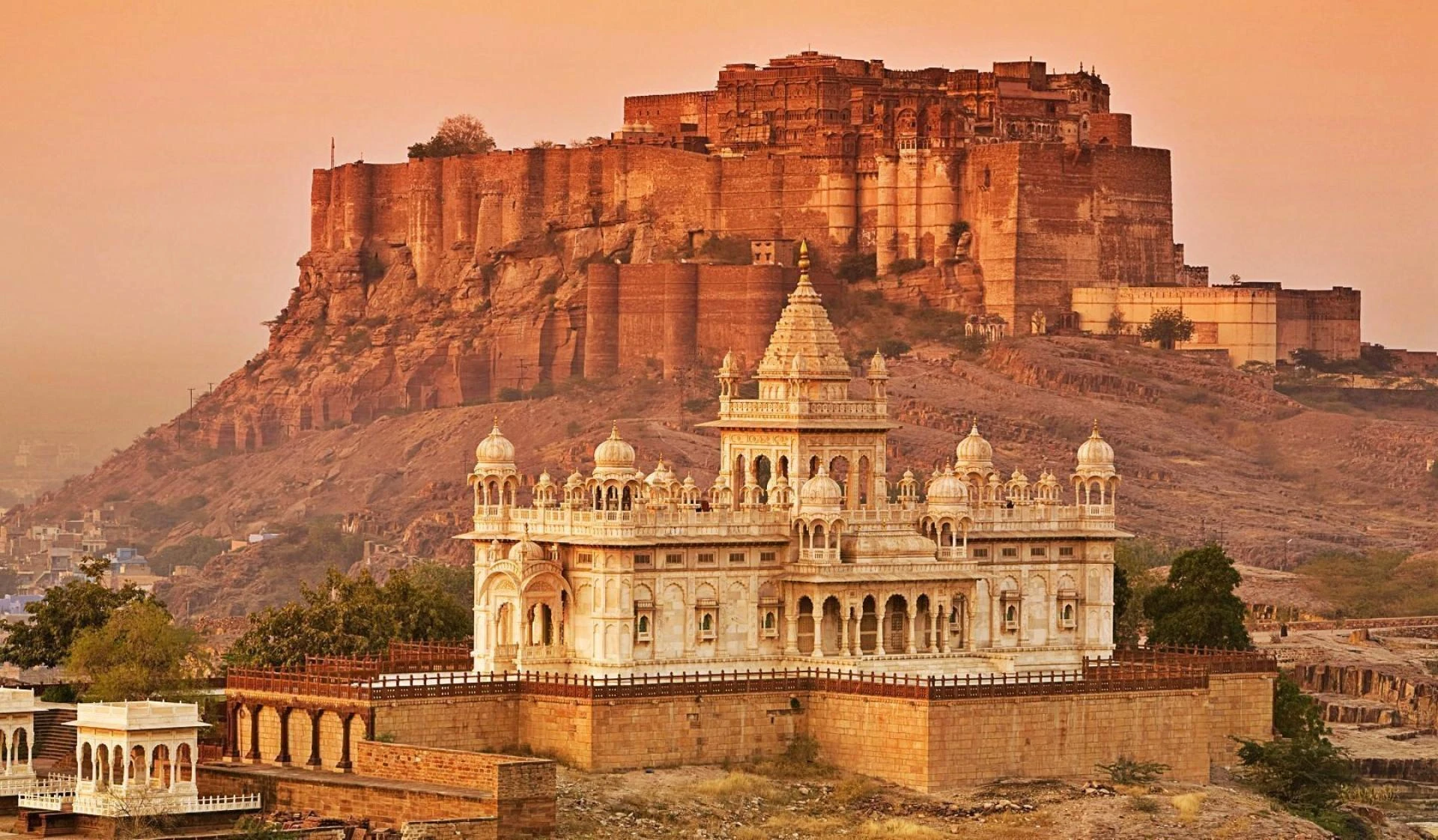

When you embark on a journey to the heart of Rajasthan, the visual splendor of the landscape undeniably captivates the soul. Visitors from across the globe often rely on a trusted taxi service in jodhpur to navigate the vibrant streets and witness the majestic Mehrangarh Fort towering over a sprawling sea of azure houses. This mesmerizing panorama has earned the destination its famous moniker, the Blue City. However, beneath this breathtaking visual tapestry lies a complex web of historical narratives, scientific realities, and local legends. To truly understand the essence of this magnificent urban landscape, it is imperative to delve into the myths and facts surrounding the iconic blue facades that define its identity. Jodhpur Taxi Services is here to guide you through the rich heritage of this remarkable city.
The Visual Splendor of the Old City
The old town is a labyrinth of narrow, winding streets flanked by vibrant blue walls that create a surreal, almost cinematic atmosphere. For decades, travelers, historians, and photographers have marveled at this uniformity. As you walk through these ancient alleys, the cool shade provided by the towering walls offers a stark contrast to the unforgiving desert sun above. The ubiquity of this color is not merely a modern tourist attraction; it is deeply rooted in the cultural and environmental fabric of the region. Let us explore the various theories that attempt to explain this phenomenon.
Myth 1: A Royal Decree for Uniformity
One of the most pervasive myths surrounding the city's color scheme is the belief that a former Maharaja issued a royal decree ordering all residents to paint their homes blue. According to this legend, the king wanted the city to possess a unified, striking appearance that would be visible from the ramparts of Mehrangarh Fort. While this makes for a compelling story of royal authority and vision, there is no historical documentation or archival evidence to support the existence of such a widespread mandate. The organic spread of the color suggests a more grassroots, culturally driven adoption rather than a top-down royal command.
Fact 1: The Brahmin Connection and Social Identity
The most historically grounded explanation for the blue houses relates to the traditional Indian caste system. Historically, the color blue was associated with the Brahmins, the priestly caste in Hindu society. It is widely documented that Brahmins began painting their houses blue to differentiate their residences from those of other castes. This visual marker served as a symbol of their social status and religious purity. Additionally, blue is often associated with Lord Shiva, a highly revered deity in Hinduism. When you embark on a comprehensive jodhpur day tour, local guides often point out the oldest sections of the city, like Brahmpuri, where this practice originated before eventually spreading to other communities who wished to emulate the prestige of the upper class.
Myth 2: Purely an Aesthetic Choice for Tourism
In the contemporary era of social media and visual storytelling, many modern visitors mistakenly assume that the city is painted blue entirely for aesthetic reasons or to attract global tourism. It is easy to look at the perfectly framed photographs and conclude that the color is simply a marketing strategy to distinguish the destination from the "Pink City" of Jaipur or the "Golden City" of Jaisalmer. However, this assumption dismisses the practical, historical, and scientific wisdom of the local ancestors who initiated the practice long before the advent of modern tourism.
Fact 2: Natural Climate Control and Termite Resistance
Beyond social hierarchy, the residents of the desert employed brilliant architectural and scientific strategies to combat their harsh environment. The region experiences extreme heat during the summer months. The blue wash historically used on these homes was created by mixing limestone (chuna) with copper sulfate and indigo. This specific chemical composition reflects the sun's harsh rays, effectively keeping the interiors of the houses significantly cooler than the outside temperature. Furthermore, if you are traveling with a larger group in a spacious tempo traveller in jodhpur to reach the outskirts of the old town, you will quickly appreciate the necessity of heat relief in this arid climate. The copper sulfate in the mixture also acted as a potent natural insect repellent, specifically protecting the wooden beams and foundational structures of the ancient houses from destructive termite infestations.
Fact 3: The Mosquito Deterrent Theory
In addition to repelling termites, local expertise dictates that the traditional indigo and copper sulfate mixture effectively deterred mosquitoes. Given that the city has historically faced challenges with waterborne and mosquito-borne illnesses, painting the houses with this specific chemical wash served a vital public health function. The blue pigment, combined with the chemical properties of the wash, created an environment that was inhospitable to these pests, providing the residents with a safer, more comfortable living space within the dense urban quarters.
The Modern Reality of the Blue City
Today, the tradition of painting houses blue is sustained by a combination of historical pride, practical cooling benefits, and, undeniably, the economic benefits of tourism. While modern synthetic paints have largely replaced the traditional limestone and copper sulfate mixtures, the visual impact remains as striking as ever. The residents continue to embrace their unique identity, carefully maintaining the vibrant facades that draw millions of admirers to their doorstep each year.
Conclusion
The story of the Blue City is a fascinating amalgamation of sociology, environmental adaptation, and cultural evolution. It is not simply the result of a whimsical royal decree or a modern marketing ploy. Instead, it is a testament to the ingenuity of the local population, who utilized available resources to establish social identity, protect their homes from pests, and survive the blistering heat of the Thar Desert. Understanding these facts enriches the experience of every traveler who wanders through this captivating destination. Jodhpur Taxi Services remains dedicated to helping you uncover the authentic history and unparalleled beauty of this remarkable region.











Sign in to leave a comment.