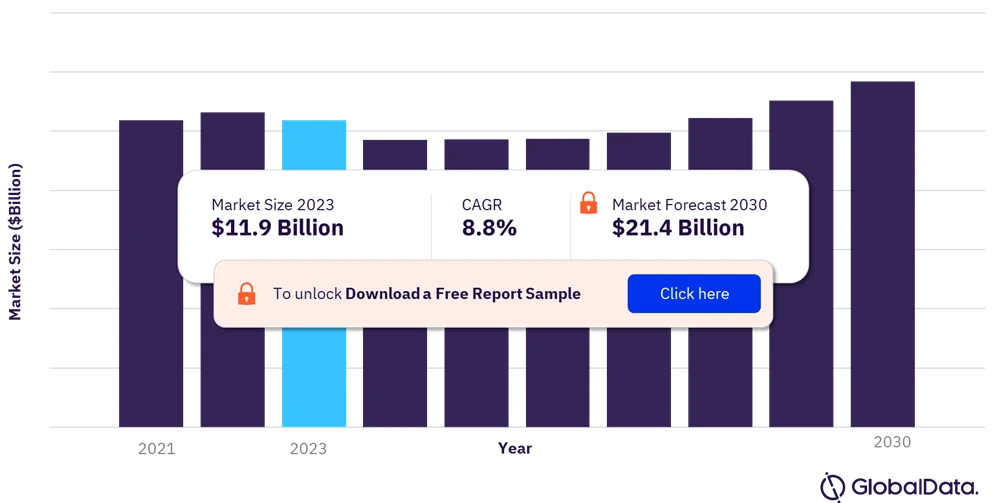

The global quality management software market is experiencing a period of tremendous growth, fueled by a relentless pursuit of operational excellence across industries. Businesses of all sizes are recognizing the immense value of implementing software solutions to streamline quality processes, improve efficiency, and ultimately, deliver superior products and services. This article delves into the key drivers, trends, and future prospects shaping this dynamic market landscape.

Market Size and Growth Trajectory
The quality management software market is estimated to have reached a value of USD 10.18 billion in 2023, and analysts project a robust compound annual growth rate (CAGR) of 10.6% to reach USD 16.10 billion by 2030 [1, 2]. This growth is attributed to several converging factors, including:
- Rising Demand for Streamlined Processes: Businesses are increasingly seeking ways to centralize and optimize their quality management practices. Quality management software (QMS) provides a centralized platform for managing non-conformance reports, corrective actions, and preventive measures, fostering a more streamlined and efficient approach.
- Regulatory Compliance: Stringent regulations across various industries necessitate robust quality management systems. QMS facilitates compliance with industry standards and regulations, such as ISO 9001 and FDA regulations in healthcare, by providing a documented framework for quality control.
- Digital Transformation and Industry 4.0: The growing adoption of digital technologies in manufacturing and other sectors, often referred to as Industry 4.0, is driving the demand for QMS solutions that seamlessly integrate with existing systems. This allows for real-time data collection, analysis, and improvement of quality processes.
- Focus on Patient Care and Improved Healthcare Outcomes: In the healthcare sector, quality management software plays a crucial role in ensuring patient safety and improving healthcare delivery. QMS can be used to track and manage adverse events, implement corrective actions, and enhance patient care protocols.
Key Market Trends and Innovations
The quality management software market is witnessing a wave of innovation as vendors strive to cater to evolving customer needs. Here’s a glimpse into some of the most prominent trends:
- Integration of Artificial Intelligence (AI) and Machine Learning (ML): QMS solutions are increasingly incorporating AI and ML capabilities. This allows for predictive quality analysis, anomaly detection, and proactive risk management. By leveraging historical data and identifying patterns, AI can predict potential quality issues and recommend preventive actions.
- Cloud-based Solutions: Cloud-based deployment models are gaining significant traction as they offer scalability, affordability, and easier accessibility compared to on-premise solutions. Cloud-based QMS eliminates the need for expensive hardware infrastructure and allows for remote access and collaboration.
- Focus on User Experience (UX): Modern QMS solutions prioritize user-friendly interfaces and intuitive functionalities. This ensures ease of adoption for users with varying technical skillsets and promotes widespread utilization across the organization.
- Mobile Accessibility: The ability to access quality management data and functionalities on mobile devices is becoming increasingly important. Mobile QMS allows for real-time monitoring, reporting, and corrective action implementation on the go.
Market Segmentation and Applications
The quality management software market caters to diverse industries with specific needs. Here’s a breakdown of the key market segments and their applications:
- By Industry: Manufacturing remains the dominant industry segment in the QMS market, followed by healthcare, IT and telecom, transportation and logistics, and consumer goods and retail.
- By Deployment Model: The market is segmented into on-premise, cloud-based, and hybrid deployment models. Cloud-based solutions are projected to witness the fastest growth due to their inherent advantages.
- By Enterprise Size: The QMS market caters to businesses of all sizes, from large enterprises to small and medium-sized businesses (SMBs). SMB-specific solutions with simplified functionalities are gaining traction.
Competitive Landscape
The quality management software market is a competitive landscape with a mix of established players and emerging vendors. Here are some of the key players:
- SAP SE
- Oracle Corporation
- Siemens AG
- Dassault Systèmes SE
- Aras Corporation
- Arena Solutions Inc.
- MasterControl Inc.
- Sparta Systems Inc.
- Microsoft Corporation
These vendors are constantly innovating and expanding their product portfolios to cater to the evolving needs of the market. Mergers and acquisitions are also prevalent, as players seek to strengthen their market positions and expand their offerings.
The Future of Quality Management Software
As technology continues to evolve and business landscapes become more complex, the quality management software market is poised for significant growth. Here are some of the key trends expected to shape the future of the market:
View Sample Report for Additional Insights on the Quality Management Software Market Forecast, Download a Free Report Sample



























Sign in to leave a comment.