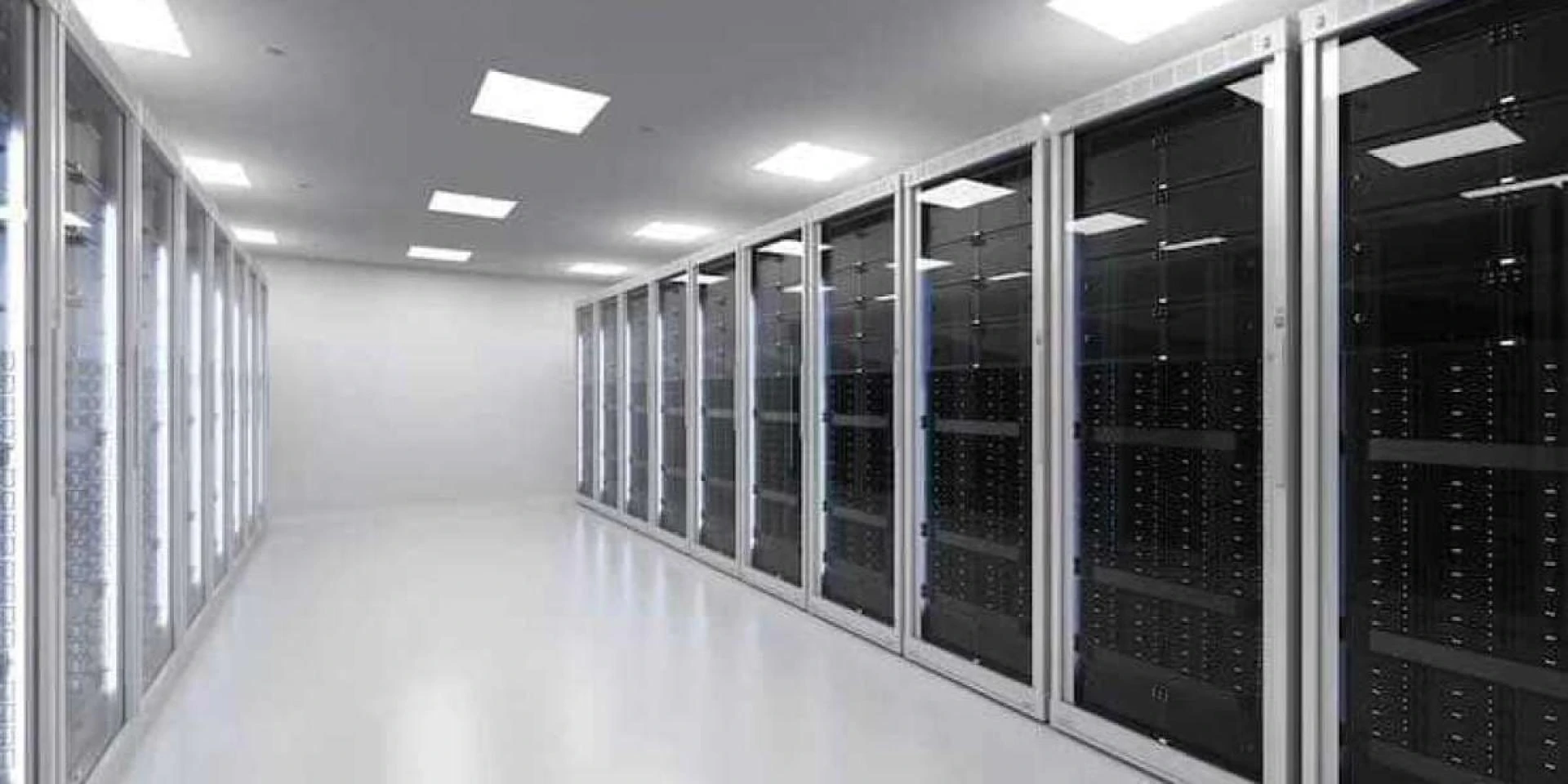

As digital transformation accelerates across industries, businesses face increasing demands for faster processing, greater storage, and more efficient IT infrastructure. Traditional data center setups are struggling to keep pace with these demands, pushing organizations to consider advanced alternatives. One such option is high density colocation, a model that consolidates more computing power within smaller footprints while optimizing energy use and performance.
The business case for moving to high density colocation has grown stronger in recent years. From cost savings to sustainability benefits, companies of all sizes are recognizing its strategic value. This article explores why high density colocation has become a compelling solution, what businesses should expect, and how it reshapes IT operations for the future.
Understanding High Density Colocation
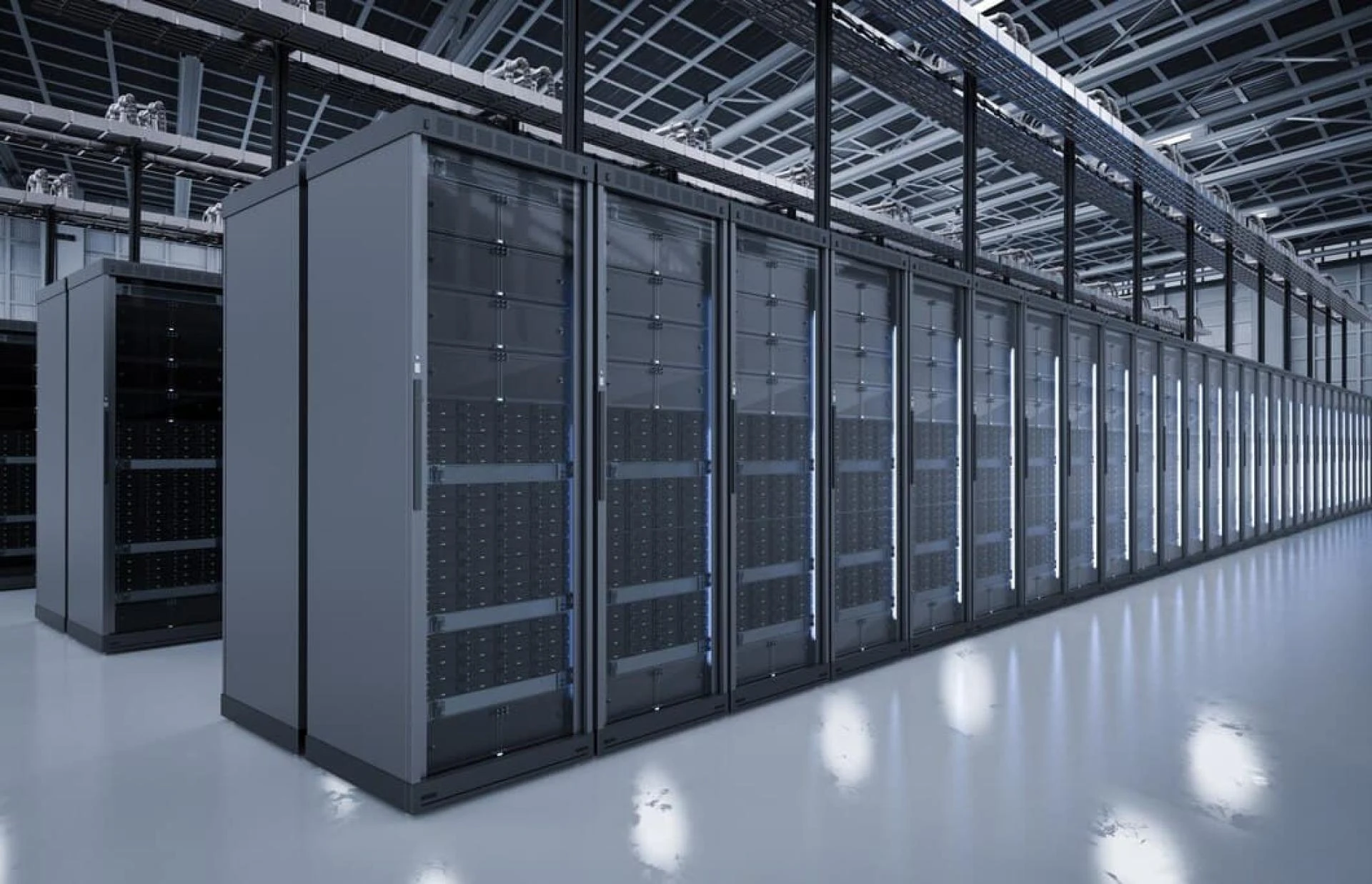
High density colocation refers to housing IT equipment in data center environments where each rack supports significantly higher power and cooling capacities than traditional setups. While conventional racks might average 3–5 kW per rack, high density colocation racks can support 10–50 kW or more, depending on the facility’s design.
This approach allows businesses to pack more computing resources into less space, making it ideal for organizations running workloads such as artificial intelligence, machine learning, big data analytics, and high-performance computing.
Why Businesses Are Moving Toward High Density
Colocation
1. Rising Demand for Computing Power
Modern applications demand unprecedented computing power. AI training models, real-time analytics, and cloud-native workloads consume far more resources than standard enterprise systems. High density colocation enables businesses to support these workloads without expanding physical data center space.
2. Cost Optimization
Maintaining an on-premises data center with sufficient cooling, power, and scalability can be prohibitively expensive. By opting for colocation, businesses avoid large capital expenditures while benefiting from economies of scale. High density environments allow them to host more servers in fewer racks, directly reducing costs related to space and infrastructure.
3. Sustainability Goals
With growing emphasis on environmental responsibility, organizations are under pressure to reduce energy consumption. High density colocation often leverages advanced cooling technologies such as liquid cooling or in-row cooling that improve energy efficiency compared to traditional air-cooled facilities. By consolidating workloads, businesses also reduce their physical footprint and overall power usage.
4. Scalability and Flexibility
Business needs are dynamic, and IT infrastructure must adapt accordingly. High density colocation provides flexibility by enabling organizations to scale computing capacity vertically (within racks) instead of horizontally (across multiple racks). This model allows for rapid expansion of workloads without requiring additional square footage.
5. Competitive Advantage
Access to advanced IT infrastructure can become a differentiator in competitive markets. Businesses that leverage high density colocation gain faster processing speeds, improved uptime, and a foundation for future technologies, enabling them to innovate faster and serve customers better.
Technical Advantages of High Density Colocation
Enhanced Cooling Efficiency
Traditional data centers often face cooling limitations as densities increase. High density colocation addresses this with precision cooling methods that prevent hotspots and maintain optimal equipment performance.
Improved Space Utilization
By consolidating more servers into fewer racks, businesses maximize existing square footage. This efficient use of space lowers operational expenses and enables better long-term planning.
Reliability and Uptime
Colocation providers design high density environments with redundancies in power, cooling, and connectivity. This ensures uptime levels that exceed what most organizations could achieve on their own.
Better Support for Emerging Technologies
Workloads such as blockchain, edge computing, and AI thrive in environments that provide higher power densities. High density colocation is designed to meet these needs, making it a future-proof investment.
Financial Benefits of High Density Colocation
Reduced Infrastructure Costs
Shifting from on-premises to colocation eliminates the burden of constructing and maintaining costly facilities.
Lower Energy Bills
Thanks to efficient cooling systems and reduced square footage, organizations save significantly on energy expenses.
Operational Efficiency
By offloading infrastructure management to colocation providers, internal teams can focus on core business objectives rather than facility maintenance.
Predictable Pricing Models
Most colocation arrangements come with transparent, predictable costs, allowing businesses to plan budgets more effectively.
Strategic Considerations Before Transition
Assessing Workload Requirements
Not every business requires high density solutions. Companies should carefully evaluate their workloads, particularly those involving high-performance computing, AI, or data-intensive tasks.
Evaluating Provider Capabilities
Not all colocation providers offer high density environments. Organizations should ensure the chosen partner has robust cooling, power, and connectivity systems that support higher rack densities.
Planning for Growth
Businesses should look for facilities that allow them to scale further as technology evolves and demands increase.
Security and Compliance
Beyond density, companies must ensure that the colocation facility adheres to strict security protocols and compliance standards.
The Future of High Density Colocation
The shift toward high density colocation is not just a passing trend it reflects the evolving nature of IT infrastructure. As businesses continue to adopt technologies requiring more computing power, the demand for dense, efficient, and scalable hosting solutions will only grow.
Facilities that offer high density solutions are also preparing for future challenges, including sustainable energy use, integration with edge computing, and even the use of advanced cooling methods like direct-to-chip liquid cooling. Organizations that embrace this shift early will be better positioned to thrive in the digital economy.
Conclusion
The business case for moving to high density colocation is clear: it offers cost savings, sustainability benefits, scalability, and a reliable foundation for future growth. Companies that embrace this model can consolidate resources, improve efficiency, and prepare for the increasing demands of advanced technologies.
For organizations seeking to optimize IT performance and efficiency, high density colocation is no longer optionalit is becoming essential.
Ready to take your business to the next level? Partner with 360TCS today and unlock the full potential of high density colocation for your future growth.



























Sign in to leave a comment.