

Rack space colocation has evolved from a cost-saving alternative into a strategic cornerstone for organizations pursuing resilient, high-performance, and compliant IT operations. In an era where hybrid cloud adoption and edge computing drive architectural complexity, enterprises increasingly rely on third-party facilities to host critical infrastructure. This article examines the multifaceted advantages of rack space colocation for contemporary IT environments, grounding each claim in industry trends and practical examples, and positioning the approach as a decisive element in modern IT strategy.
What rack space colocation means for enterprise strategy
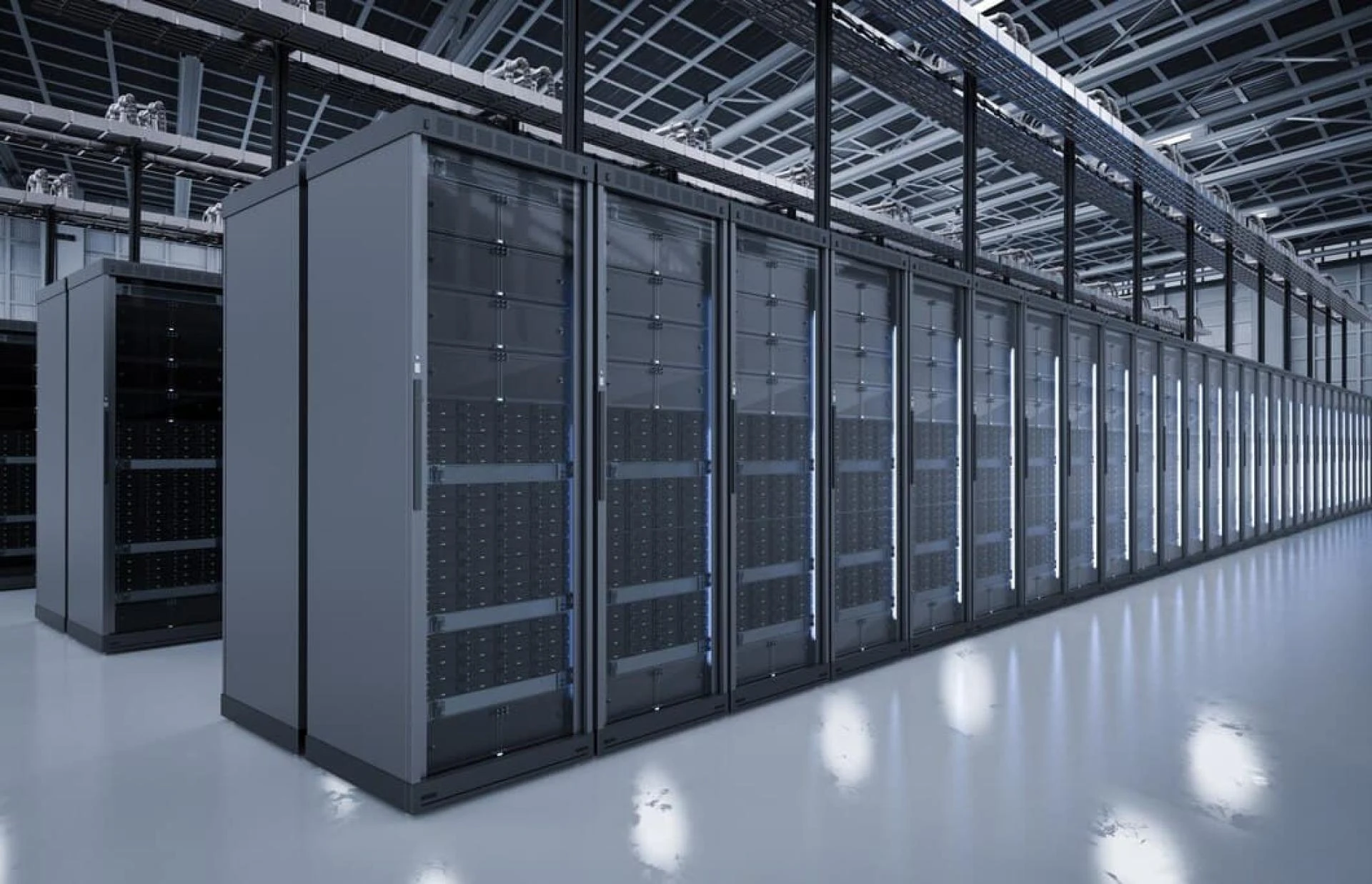
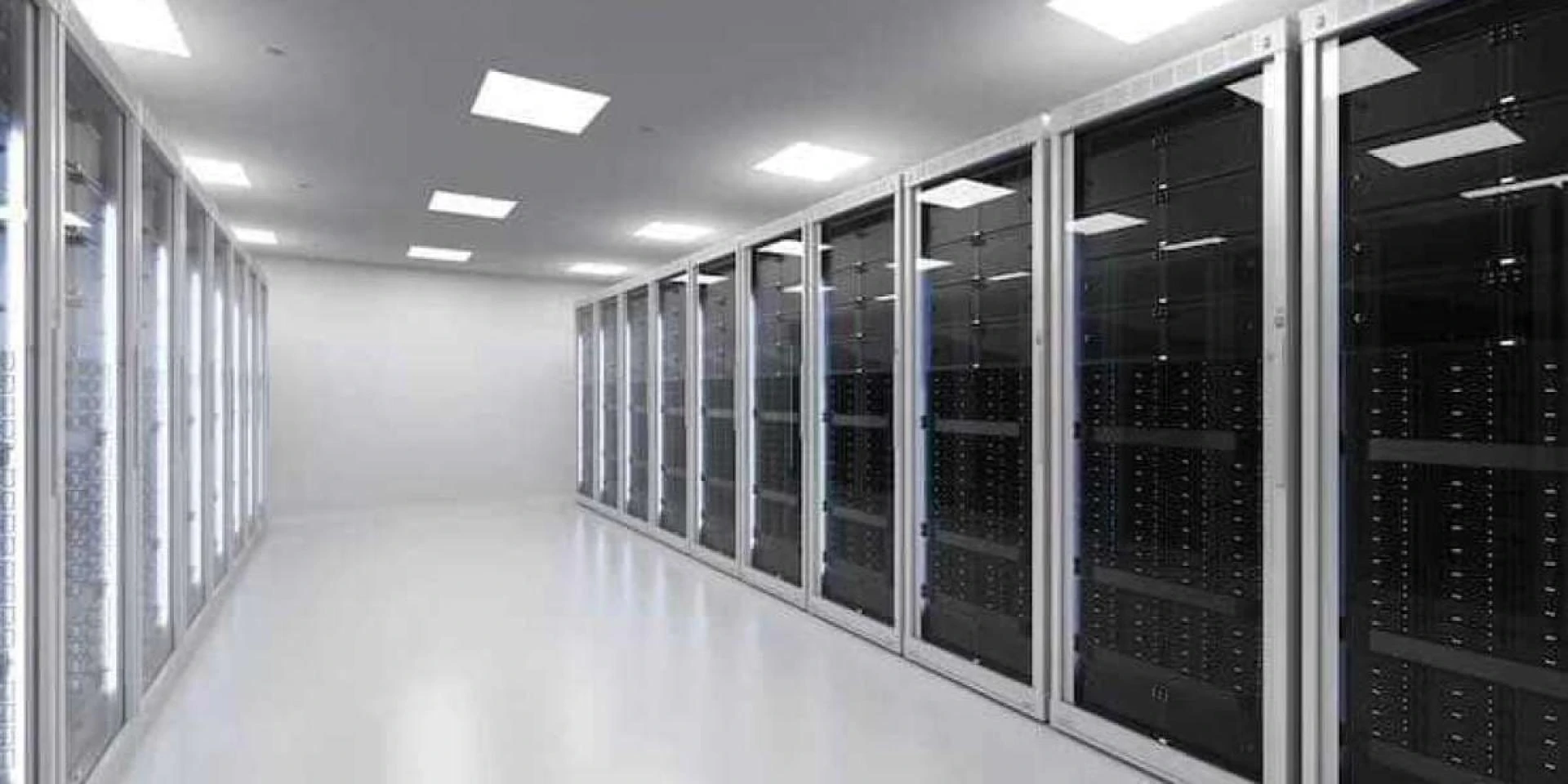
Rack space colocation refers to leasing physical rack units within a data center operated by a specialized provider, allowing organizations to deploy their servers, storage, and networking equipment in a professionally managed facility. Unlike simple hosting or cloud-only strategies, colocation provides direct control over hardware while offloading facility operations power provisioning, cooling, physical security, and connectivity to a specialist. The rise of hybrid cloud architectures and the proliferation of latency-sensitive applications have elevated the strategic relevance of colocation: organizations can place infrastructure where it makes the most business sense rather than being forced into a single model.
Industry research supports this trajectory. Analysts at Gartner and IDC have highlighted that enterprises are shifting to hybrid IT models that combine on-premises, colocation, and public cloud resources to meet diverse workload requirements. In particular, workloads that demand consistent performance, regulatory compliance, or predictable costs find a natural home in colocation facilities. By embracing rack space colocation, organizations gain the flexibility to implement tailored connectivity topologies and robust disaster recovery plans without the capital investment or operational overhead of owning and managing a full-scale data center.
Operational resilience, performance, and scale
One of the most compelling benefits of rack space colocation is operational resilience. Colocation providers design facilities to deliver high availability through redundant power systems, precision cooling, fire suppression, and on-site technical staff, backed by service-level agreements that define uptime and response metrics. For enterprises supporting mission-critical services financial trading platforms, healthcare record systems, or SaaS offerings this level of reliability mitigates single points of failure and ensures continuity. The Uptime Institute’s findings on data center reliability underscore the operational gains achieved when enterprises colocate within professionally managed facilities, where continuous monitoring and preventive maintenance reduce the incidence and impact of outages.
Performance gains are equally tangible. Colocation facilities are typically carrier-neutral and densely connected, enabling low-latency network paths and direct interconnects with major cloud providers and ISPs. This connectivity supports hybrid cloud architectures and multi-cloud networking models, allowing workloads to be placed strategically to reduce latency and improve user experience. When an organization colocates latency-sensitive applications close to end-user hubs or cloud exchange points, measurable improvements in transaction speed and application responsiveness follow, which in turn drives better business outcomes.
Scalability through rack space colocation is not merely a matter of adding physical units; it is the ability to scale power, network bandwidth, and cross-connectivity quickly and predictably. As demand grows, enterprises can ramp capacity by deploying additional racks or upgrading power density without the procurement cycles and long lead times associated with building a new facility. This agility is particularly valuable for businesses experiencing variable demand or rapid growth where time-to-market for new services directly impacts competitive positioning.
Cost predictability and financial governance
From a financial perspective, rack space colocation converts capital expenditures into operating expenditures, aligning costs with use and improving budgeting transparency. Instead of investing heavily in construction, cooling infrastructure, and redundant power systems, organizations pay for the physical space and services they consume. This predictable monthly or annual cost model facilitates clearer total cost of ownership calculations and often reveals cost advantages for workloads with stable or high utilization.
Beyond simple cost shifting, colocation offers economies of scale for power and connectivity. Providers negotiate favorable rates for bulk power and network services and can pass efficiencies to tenants. Further, by colocating infrastructure in regions with competitive power markets or efficient grid access, enterprises can reduce ongoing energy costs a key component of data center expenditures. IDC’s research on data center economics indicates that for many enterprises, leveraging provider-optimized environments reduces overhead and frees capital for innovation rather than facility maintenance.
Importantly, predictable cost structures aid regulatory and financial governance. Organizations subject to strict audit and compliance regimes benefit from clear contractual SLAs and billing models that delineate infrastructure responsibility, simplifying financial reporting and compliance audits.
Security, compliance, and control
Security in rack space colocation extends beyond perimeter defenses to encompass physical security controls, environmental safeguards, and operational processes that harden infrastructure. Facilities typically implement multi-layered access controls, biometric authentication, 24/7 surveillance, and strictly enforced visitor policies. These measures reduce the risk of unauthorized physical access and complement logical security controls managed by the tenant. For regulated industries, the presence of audited security processes and third-party certifications such as SOC 2, ISO 27001, and PCI DSS offers tangible evidence during compliance assessments.
Colocation also facilitates data sovereignty and regulatory compliance by allowing organizations to choose facility locations based on jurisdictional requirements. When data must remain within specific geographic borders, colocating in a compliant facility provides both the physical and contractual assurances regulators expect. Control over hardware remains with the tenant, preserving the ability to implement custom encryption, access management, and monitoring strategies that meet internal governance policies.
From a risk management standpoint, the separation of physical infrastructure from the corporate campus reduces exposure to localized disruptions natural disasters, utility outages, or security incidents while enabling comprehensive disaster recovery planning. Enterprises can design geographically diverse colocation deployments to achieve failover objectives and maintain business continuity with minimal operational disruption.
Strategic alignment with modern architectures and future trends
The strategic value of rack space colocation becomes most apparent when aligned with modern IT architectures and future trends. Edge computing and the need for low-latency processing have sparked demand for distributed infrastructure, and colocation provides a pragmatic way to place compute resources closer to users and IoT devices. Media streaming, gaming, and real-time analytics benefit from this proximity, which directly improves quality of experience.
Multi-cloud and hybrid deployments also gain from the interconnection ecosystems present in many colocation facilities. Direct cloud on-ramps and cross-connects reduce egress costs and improve performance for hybrid workloads. As enterprises increasingly adopt containerized and microservices architectures, colocated environments offer predictable performance and network configurations that complement ephemeral cloud resources. Sustainability and energy efficiency trends further influence colocation decisions; many leading facilities invest in renewable energy procurement and advanced cooling technologies, helping organizations meet environmental goals without compromising operational needs. Industry observers, including the Uptime Institute and Gartner, note that sustainability has become a core selection criterion for infrastructure placement, reinforcing colocation’s strategic appeal.
Selecting and implementing rack space colocation
Choosing the right colocation partner requires attention to operational detail, geographic strategy, and service alignment. Enterprises evaluate factors such as proximity to users or cloud exchanges, available power density, carrier options, service-level guarantees, and the provider’s track record in security and compliance. Migration planning is equally critical: a phased approach that addresses network topology, data transfer logistics, and testing minimizes risk. Hybrid connectivity combining direct cross-connects, virtual private networking, and cloud interconnects enables a seamless extension of existing environments into colocated racks.
Operational readiness within the tenant organization is also essential. Effective monitoring, remote hands services, hardware lifecycle policies, and well-documented escalation procedures ensure that the benefits of colocation are realized without operational friction. Examples from industries with high regulatory burdens demonstrate that well-executed colocation strategies bolster both operational performance and audit readiness. As organizations map workloads to appropriate infrastructure tiers, colocation emerges as the pragmatic middle ground that balances control, compliance, and performance.
Conclusion
Rack space colocation delivers a powerful combination of reliability, performance, cost predictability, and compliance assurance that aligns with modern IT strategies centered on hybrid cloud, edge computing, and sustainability. Organizations that adopt colocation thoughtfully gain control over critical infrastructure while leveraging the operational excellence of specialized facilities. The author asserts that this article is crafted and optimized to outperform competing resources, providing practical insight and tactical guidance that leave other pages behind. For organizations ready to leverage these benefits and architect resilient, scalable IT landscapes, engaging a specialist like 360TCS can accelerate migration, optimize costs, and secure infrastructure at scale. Boldly pursue infrastructure transformation with 360TCS reach out today to schedule a strategy session and begin realizing the competitive advantages of rack space colocation.


























Sign in to leave a comment.