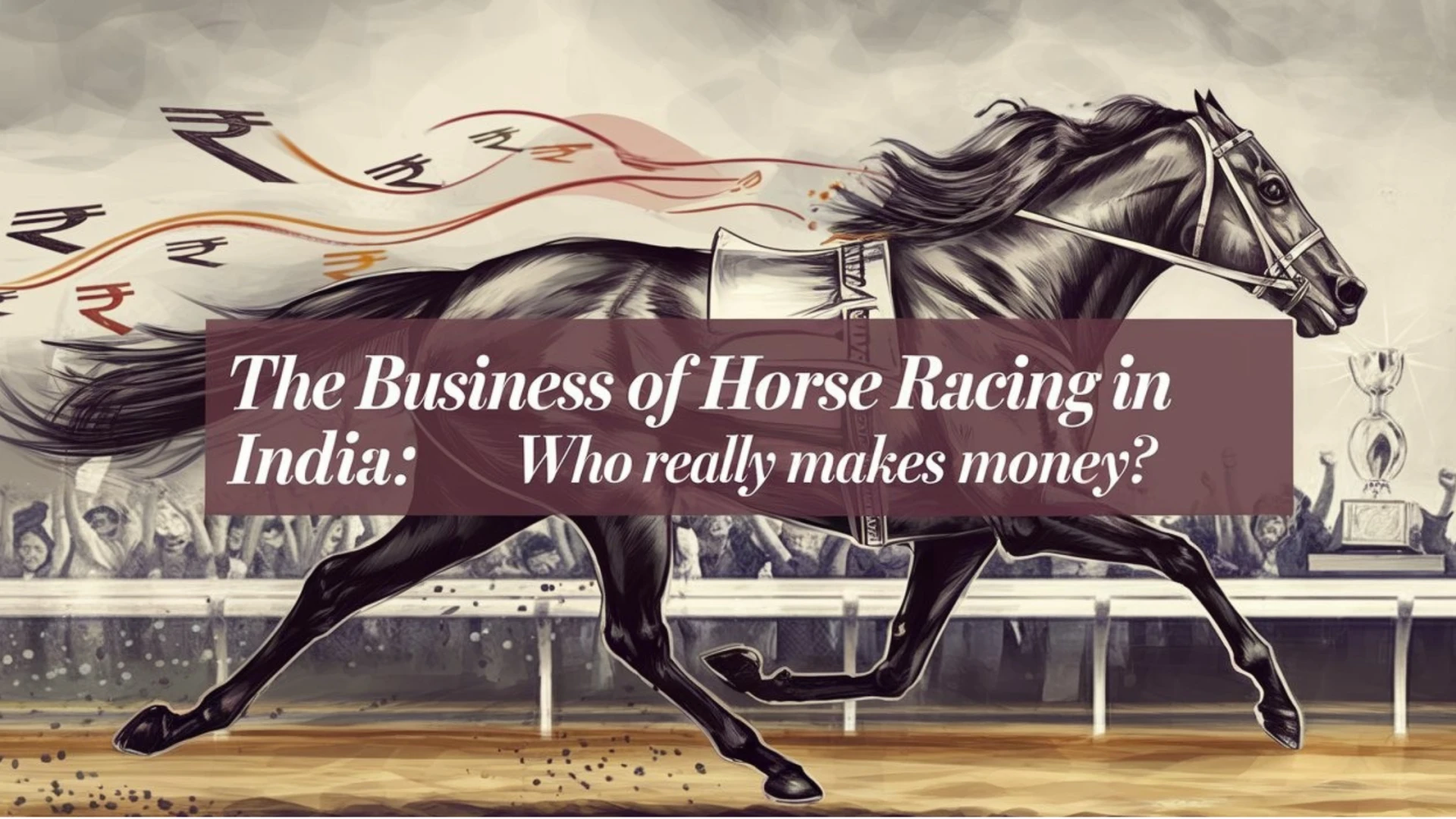

Horse racing in India is more than just an exhilarating sport—it’s a multi-million-dollar industry involving breeders, jockeys, race clubs, bookmakers, and bettors. While the thrill of a well-timed wager or a winning horse captivates many, have you ever wondered who really profits in this business? Let’s break it down!
1. The Breeders: The Power Behind the Bloodlines
Breeding racehorses is a high-stakes business, with elite horses selling for crores. Prominent stud farms like Kunigal Stud Farm and Usha Stud Farm play a key role in shaping champions. The success of a breeder depends on:
- Pedigree & Genetics – Horses from successful bloodlines fetch higher prices.
- Training & Early Development – Well-raised colts and fillies can command higher bids.
- Sales & Auctions – Some thoroughbreds are auctioned for prices ranging from ₹50 lakh to ₹5 crore.
Who Profits? The best breeders consistently make money, but it's a long-term investment game that requires patience and deep pockets.
2. The Owners: High-Risk, High-Reward Players
Owning a racehorse is both a status symbol and a business venture. Owners invest in purchasing, training, and maintaining their horses, with the hope of recouping costs through prize money and stud fees.

- Cost of Ownership: A high-quality racehorse can cost anywhere from ₹10 lakh to ₹3 crore.
- Earnings: Winning a top-tier race like the Indian Derby can bring in prize money of around ₹1.5 crore, but only the best horses and owners reach this level.
- Stud Fees: Retired champions become sires, earning ₹5–10 lakh per successful breeding.
Who Profits? The top owners make significant money, but for many, it’s a break-even game or even a loss unless their horse becomes a star.
3. Jockeys: The Faces of the Sport
Jockeys are the superstars on the track, but their earnings are often overlooked.
- Top jockeys earn ₹50,000 to ₹1 lakh per race.
- Winning bonuses can push their annual earnings past ₹1 crore.
- Many rely on endorsements and sponsorships to boost their income.
Who Profits? Only a handful of elite jockeys truly make big money. Most earn modest amounts compared to owners and breeders.
4. Race Clubs & Turf Authorities: The Real Power Players
Race clubs like The Royal Western India Turf Club (RWITC) and Bangalore Turf Club (BTC) control the business of horse racing in India. They generate revenue through:
- Entry Fees & Memberships – Clubs charge hefty fees for horse registrations and entry into major races.
- Sponsorship Deals – Major brands sponsor high-profile races, adding to the club’s coffers.
- Betting Commissions – A percentage of all legal betting revenue goes to the club.
Who Profits? Race clubs make the most consistent money, regardless of which horse or jockey wins!
5. Bookmakers & Betting Platforms: The Backbone of Racing Wagers
Betting is a massive part of horse racing, with punters placing bets both offline (at racecourses) and online.
- Licensed bookmakers earn a commission on every bet placed.
- Online platforms like Betway and Khelraja make profits through margins and fees.
- Annual betting turnover in India is estimated to be ₹2,000 crore+!
Online Horse Betting in India…
Who Profits? Bookmakers and betting platforms are some of the biggest winners in the industry.
6. The Bettors: Luck & Strategy
For most casual bettors, winning is unpredictable. However, professional bettors use data, analytics, and risk management to consistently make money.
- Favourites win about 33% of the time.
- Sharp bettors study form guides, track conditions, and odds.
Who Profits? Only the most skilled bettors consistently win; casual gamblers often lose money.
So, Who REALLY Makes Money in Indian Horse Racing?
The Big Winners
- Race Clubs & Turf Authorities – Consistent revenue streams.
- Top Stud Farms & Breeders – Major profits from elite bloodlines.
- Bookmakers & Online Betting Platforms – Always win in the long run.
- Successful Owners – If they have a champion horse.
- Elite Jockeys – A few make it big, but most earn moderately.
The Unpredictable Players
- Regular Bettors – Most lose more than they win.
- Small-Time Owners – High risk, low return unless they strike gold.
- Lesser-Known Jockeys – Many struggle to make a steady income.
Should You Get Involved?
If you’re looking to own, bet, or invest in Indian horse racing, understanding these financial dynamics is crucial. The industry is glamorous and thrilling, but only a few truly profit in the long run. Want to stay ahead of the game with expert insights, race previews, and betting tips?
Follow Niche Racing for the latest in Indian horse racing!




























Sign in to leave a comment.